Quick answer: Managing complex multi-step heat treating requires precise control over numerous variables, sequential processes, and stringent quality checks to ensure material integrity and performance. Implementing an industrial Enterprise Resource Planning (ERP) system provides the necessary centralized data management, scheduling optimization, and real-time visibility to streamline these intricate operations, reduce errors, and ensure compliance for both heat treatment and subsequent surface coating processes.
Key Takeaways
- Multi-step heat treating involves precise, sequential thermal processes critical for material properties.
- Industrial ERP centralizes data, integrating production planning, quality control, and inventory for heat treatment and coating.
- Real-time visibility offered by ERP minimizes errors, optimizes resource utilization, and enhances throughput.
- Traceability and compliance are significantly improved through ERP’s robust data logging and reporting capabilities.
- Effective ERP implementation leads to substantial cost savings, consistent quality, and operational efficiency gains by 2026 and beyond.
What Are the Core Complexities in Multi-Step Heat Treating?
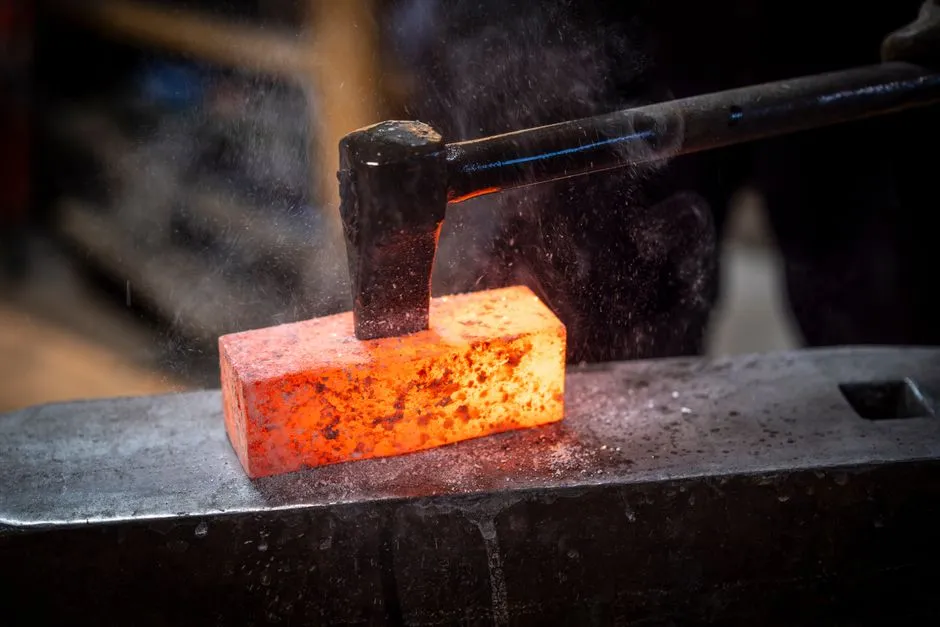
Multi-step heat treating means a sequence of thermal and cooling processes that change a material’s microstructure and properties. This isn’t simple. You need precise control over temperature, atmosphere, time, and cooling rates at each step. Even a small slip-up can ruin the part, hurting its strength or how well it works.
Manufacturers often deal with many different materials. Each one needs its own heat treatment recipe and parameters. And different part shapes just make uniform heating and cooling harder. So, you end up needing specialized fixtures and process tweaks.
Surface coating, which usually happens after heat treating, piles on even more complexity. You’ve got to carefully manage how the heat-treated part interacts with the coating material, plus adhesion and final surface properties. The way these processes work together is absolutely critical for a good final product.

How Do Material Science and Process Control Drive Complexity?
The close link between a material’s makeup, the mechanical properties you want, and the thermal cycles is key to successful heat treating. Every alloy reacts differently to heat, so each needs its own specific annealing, quenching, tempering, or normalizing steps. And these processes are often linked; what happens in one stage directly affects the next.
Process control systems need to track huge amounts of data. This includes furnace temperatures, atmospheric gas compositions, and cooling rates. Manual tracking or separate systems? They invite human error and don’t give you the full picture to keep things consistent across batches. Ensuring repeatability and sticking to tough industry standards like AMS (Aerospace Material Specification) or ASTM (American Society for Testing and Materials)? It’s a constant struggle.
Add surface coatings like PVD (Physical Vapor Deposition) or CVD (Chemical Vapor Deposition), and you bring in even more variables. Things like chamber pressure, gas flow, and deposition rates come into play. These processes have got to fit right into your manufacturing flow. Ultimately, effective managing complex multi-step heat treating processes depends on strong, interconnected systems.
How Does Industrial ERP Streamline Managing Complex Multi-Step Heat Treating?
Industrial Enterprise Resource Planning (ERP) systems give you one big platform to run every part of your heat treating and surface coating operations. It pulls together all your departments—from production scheduling and inventory management to quality control and compliance. So, no more data islands. This big-picture view gives you real-time visibility and control over complex sequences, and that’s key for top-notch manufacturing.
An ERP system takes your recipes, material specifications, and quality checkpoints, then makes them digital and puts them in one place. This means every operator accesses the latest, right instructions. Less confusion, fewer mistakes. And these systems are huge for guiding components through multiple processing stages, from pre-treatment cleaning right up to final inspection and packaging.
What Role Does Centralized Data Management Play?
Centralized data management is the absolute foundation for a good ERP system in thermal processing. All critical information—part numbers, material types, heat treatment specs, coating requirements, and customer orders—lives in one database. This one true source means things stay consistent and accurate across your entire production chain.
For instance, when a new order comes in, the ERP system can automatically check if materials are available, look at machine capacity, and confirm the required process steps. No more scheduling headaches. And it makes sure the correct materials are allocated for each job. Quality control data, including temperature profiles and hardness test results, link directly to specific batches or parts. You get full traceability this way.
And it covers equipment maintenance, too. The ERP spits out proactive maintenance alerts, stopping unexpected downtime, which can be a real killer in time-sensitive heat treating operations. By 2026, many manufacturers are reporting a 15% reduction in unplanned downtime due to improved ERP-driven maintenance scheduling.

How Does ERP Enhance Scheduling and Resource Optimization?
Optimizing schedules for multi-step heat treating and surface coating is one of an ERP system’s biggest wins. These processes often use pricey, power-hungry machines with long cycle times. Efficient scheduling cuts down on bottlenecks, gets the most out of your machines, and makes sure you deliver on time.
An ERP system can do advanced capacity planning. It considers furnace availability, tooling needs, operator shifts, and material flow. But it doesn’t stop there. It can also dynamically adjust schedules based on real-time production updates, like a machine breakdown or an urgent order. This agility is vital for staying responsive in a demanding manufacturing environment.
How Does Real-Time Tracking Improve Efficiency?
Real-time tracking of parts as they move through various heat treatment and coating stages gives you unmatched visibility. RFID tags, barcode scanning, or direct machine integration? They push data right into the ERP, updating where things are and what’s happening. Managers can then spot bottlenecks, keep an eye on process durations, and fix problems before they get big.
Say a part needs a specific quench furnace, then a tempering oven, followed by a PVD coating chamber. The ERP system tracks each step. It tells operators what’s next and flags any slip-ups in the plan or timing. That means fewer errors, staying true to your specs, and keeping production flowing. And this precision for managing complex multi-step heat treating processes leads to real, measurable boosts in how well you operate.

What Are the Benefits of ERP for Quality Control and Compliance?
Holding onto strict quality standards is absolutely vital in heat treating and surface coating, especially for critical industries like aerospace and medical devices. An industrial ERP system builds quality control points right into your production workflow. This makes sure you do the right checks and tests at the right times.
All quality data—from dimensional measurements to hardness tests and coating thickness analyses—gets logged and stored in the ERP. You get a complete quality history for every batch or part. If something goes wrong, the system immediately pulls up all relevant process parameters and material certifications, so you can quickly figure out what happened.
How Does ERP Support Traceability and Audit Readiness?
Full traceability, from raw material to finished product, is a must-have for many industries. ERP systems are brilliant at this. Every material lot number, furnace charge, coating batch, and operator action is logged and linked inside the system. This digital thread gives you an undeniable record of a product’s journey through manufacturing.
When an audit happens, an ERP system can instantly generate detailed reports showing you meet industry standards and customer specifications. This capability slashes the time and effort usually spent preparing for audits, which often involved digging through piles of paper. Manufacturers using ERP for traceability reported a 20% faster audit completion time in 2026.
But there’s more. The system can even force compliance. It stops unauthorized process changes. If a parameter falls outside an approved range, the ERP can send alerts or even shut things down until you fix it. This proactive stance keeps quality consistent and ensures you stick to regulatory requirements.

What Future Trends Are Impacting Heat Treating and ERP?
The world of heat treating and surface coating is always changing, thanks to leaps in materials science and digital technology. Industrial ERP systems are leading the way in bringing these new ideas together to make operations run even better.
One big trend is the growing use of Industry 4.0 tech. You can put IoT (Internet of Things) sensors within furnaces and coating chambers, so you get even finer, real-time data. All this data goes right into the ERP, giving you insights you’ve never had before into how processes are performing.
By 2027, AI and machine learning algorithms, integrated with ERP, will likely give us predictive maintenance. These systems can look at old data to predict equipment failures before they happen. They can also tweak process parameters for specific materials, meaning better results and less power used.
How Are AI and IoT Transforming Thermal Processing?
Artificial intelligence is starting to shake up how we manage complex multi-step heat treating by making processes that optimize themselves. AI algorithms can learn from old production data to tweak furnace parameters, cutting cycle times but keeping or even boosting quality. And that saves energy while cranking out more parts.
IoT devices give AI the data it needs. Sensors monitoring temperature, pressure, atmosphere, and energy consumption build a digital copy of your thermal processing environment. So you can monitor and control things remotely. Plus, predictive analytics can guess the best operating conditions or warn about quality problems. This combo of IoT, AI, and ERP? It’s going to shape the next generation of smart manufacturing.
Frequently Asked Questions
What is multi-step heat treating?
Multi-step heat treating refers to a sequence of thermal processing stages, such as austenitizing, quenching, and tempering, designed to achieve specific material properties.
Why is surface coating often paired with heat treating?
Surface coating is frequently paired with heat treating to enhance the component’s surface properties, such as wear resistance, corrosion resistance, or aesthetics, while heat treating optimizes core mechanical properties.
How does an industrial ERP system help with compliance?
An industrial ERP system aids compliance by centralizing all process data, material certifications, and quality records, providing a complete, auditable history for every part or batch.
Can ERP systems reduce scrap rates in heat treating?
Yes, ERP systems can significantly reduce scrap rates by enforcing process parameters, providing real-time quality alerts, and enabling comprehensive traceability for root cause analysis of defects.
What’s the typical implementation timeline for an ERP system in manufacturing?
The typical implementation timeline for an industrial ERP system in manufacturing can vary widely, but often ranges from 6 to 18 months, depending on the complexity of operations and level of customization.