
Quick answer: Effectively managing equipment preventive maintenance within an enterprise facilities ERP system is paramount for operational longevity and cost efficiency in 2026. This integrated approach ensures that critical assets receive timely service, minimizing unexpected downtime and optimizing resource allocation across the entire organization.
Key Takeaways
- Integrated ERP systems centralize asset data, maintenance schedules, and work order management.
- Proactive preventive maintenance significantly reduces costly emergency repairs and extends equipment lifespan.
- Modern CMMS/EAM modules within an ERP enhance visibility and control over maintenance operations.
- Implementing IoT and predictive analytics revolutionizes maintenance scheduling, moving beyond traditional time-based triggers.
- Overcoming resistance to change and ensuring data accuracy are crucial for successful ERP-driven maintenance.
- Future trends like AI, machine learning, and digital twins are poised to further optimize maintenance strategies.
Why is Managing Equipment Preventive Maintenance Critical in 2026?
Managing equipment preventive maintenance isn’t just important for businesses in 2026; it’s absolutely vital. Companies are under constant pressure to get the most out of their assets, keep costs down, and stay productive. And a solid preventive maintenance plan directly helps with all of that.
Our operational world keeps changing, bringing us more complex machinery and stricter rules. Just fixing things when they break? That’s not going to cut it anymore. It just costs too much and messes things up. So, taking a proactive approach really helps keep you ahead of the game.
How Does Downtime Impact Operations and Costs?
When equipment unexpectedly goes down, it can cause a real mess for any company. Production grinds to a halt, services get interrupted, and projects fall behind. You can see these problems right away. And those disruptions? They hit you directly in lost sales and unhappy customers.
But it’s not just about lost production. Downtime also means big repair bills, like rushing orders for parts or paying technicians overtime. Plus, other systems that rely on that broken equipment can suffer collateral damage. In 2026, getting caught with those kinds of inefficiencies will cost you more than ever.
What Are the Benefits of a Proactive Approach?
Taking charge with a proactive approach, especially when you’re managing equipment preventive maintenance, offers tons of perks. For one, you make your valuable assets last longer, pushing off those expensive capital purchases for new ones. Regular checks and servicing catch small problems before they turn into huge breakdowns.
This organized way of working also helps you use your resources better, letting maintenance teams schedule tasks smartly during planned downtime. It even makes things safer, ensuring your equipment runs exactly as it should, which lowers accident risks. Ultimately, preventive maintenance just makes everything run smoother and costs less over the long haul.
How Does an ERP Streamline Managing Equipment Preventive Maintenance?
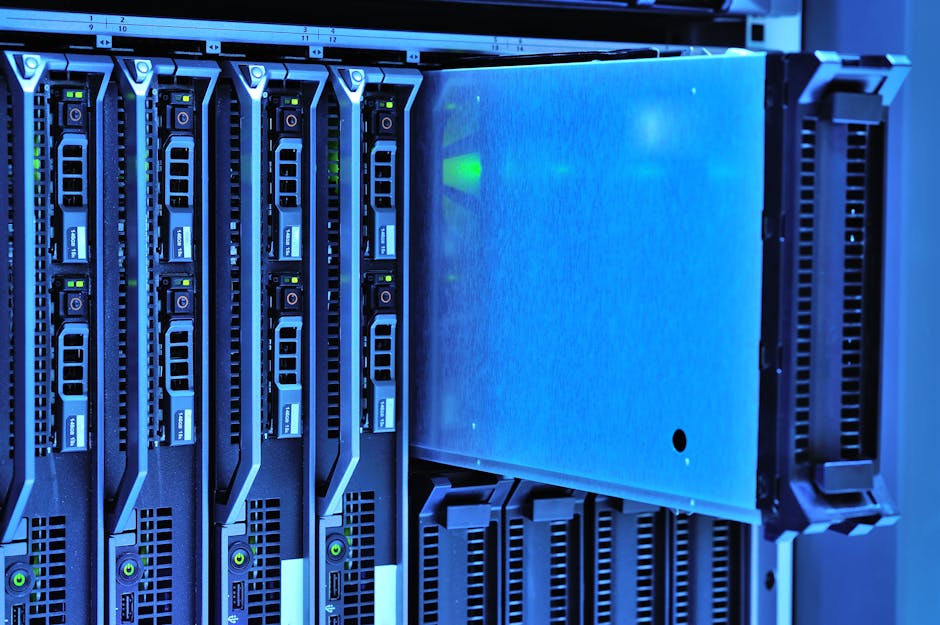
An Enterprise Resource Planning (ERP) system gives you a strong backbone for making the whole process of managing equipment preventive maintenance way easier. By bringing all your business functions onto one platform, ERPs offer incredible visibility and control. So, all those separate data silos disappear, and communication across departments gets way better.
Specifically, an ERP can handle everything from buying and stocking spare parts to scheduling and tracking maintenance jobs. You get a complete picture of your assets, their history, and what they need for upkeep. This combined data setup is key for making smart decisions.
What is the Role of Integrated Data?
Integrated data is the heart of good maintenance management within an ERP. All the info about an asset—its purchase date, warranty details, service history, spare parts, and labor costs—lives in one central spot. This stops manual data entry mistakes and makes sure everyone has consistent, up-to-the-minute information.
Say a technician logs a repair. The ERP automatically updates the asset’s history and can even trigger alerts to reorder inventory. This smooth flow of information helps managers spot performance trends and fine-tune maintenance schedules. It turns raw data into useful insights for the entire facility.
How Do CMMS/EAM Modules Enhance ERP Functionality?
Plenty of enterprise ERP systems come with specialized Computerized Maintenance Management System (CMMS) or Enterprise Asset Management (EAM) modules. These modules are built specifically to handle all the tricky details of maintenance work. A CMMS usually focuses on tasks, work orders, and inventory, while EAM goes further, covering an asset’s whole life, from when you buy it to when you get rid of it.
These integrated modules offer cool features like automatic scheduling based on how much you use something or how long it’s been, detailed work order creation, and thorough reporting. They give you tools to manage your technicians, track their hours, and assign costs to specific assets or projects. This integration ensures maintenance tasks line up perfectly with your bigger business goals and financial reporting.
What Are the Key Steps for Effective Implementation in an Enterprise ERP?
Getting an effective system for managing equipment preventive maintenance running within an enterprise ERP isn’t just about buying software. It takes a well-thought-out plan and careful execution. Your success really depends on good preparation and always looking for ways to improve.
Companies need to commit to a clear implementation roadmap, bringing in key people from maintenance, operations, IT, and finance. This ensures the system actually works for everyone. The steps below are super important for a smooth switch and lasting benefits.
How Do You Conduct a Thorough Asset Inventory?
The first, and most important, step is to get a complete and accurate list of all your assets. This means finding every piece of equipment, noting its location, serial number, manufacturer, and key operating specs. A full inventory builds the foundation for your entire maintenance program.
You’ll need to give each asset a unique ID within the ERP. This process also involves sorting assets by type, how critical they are, and which department uses them. A spot-on inventory guarantees you won’t miss any important equipment and that your maintenance efforts hit the mark.
What is the Best Way to Define Maintenance Schedules?
Setting up the right maintenance schedules is central to any good preventive maintenance program. These schedules should follow what the manufacturer suggests, how critical the equipment is, how many hours it runs, and even environmental factors. Your ERP system lets you set up all sorts of scheduling triggers—like based on time (e.g., quarterly) or based on usage (e.g., after 500 operating hours).
It’s smart to make detailed task lists for each maintenance job, outlining the steps, what tools you’ll need, and how long it should take. These structured schedules help make sure maintenance is done consistently and thoroughly. And don’t forget: reviewing and tweaking schedules regularly, based on performance data, is crucial for getting better and better.
How Can You Optimize Work Order Generation and Tracking?
Making work order generation and tracking slick within your ERP system is essential for efficient maintenance. The system should automatically create work orders based on your schedules, cutting down on manual effort and stopping missed tasks. Work orders should clearly spell out the asset, the job, needed parts, and who’s assigned to it.
Then, technicians can access, update, and close out work orders right through the ERP, often on their phones. This real-time tracking gives managers an instant look at progress, how resources are being used, and completion rates. So, thorough tracking means you can accurately analyze costs and report on how well all your maintenance activities are doing.
What Technologies are Revolutionizing Managing Equipment Preventive Maintenance?
The world of managing equipment preventive maintenance is constantly changing thanks to new tech. These emerging technologies are shifting maintenance from just scheduled tasks to smarter, data-driven ways of working. They offer amazing insights and control, really paving the way for truly optimized asset performance.
By 2026, embracing these technologies isn’t just an option; it’s a must. They let companies predict failures, cut down on unnecessary maintenance, and massively improve uptime. Facilities managers have to keep up with these changes to stay competitive.
How Do IoT and Predictive Analytics Contribute?
The Internet of Things (IoT) and predictive analytics are turning maintenance on its head by delivering real-time data from equipment. IoT sensors can keep an eye on crucial things like temperature, vibration, pressure, and how much energy something uses. Then, this data feeds right into your ERP or EAM system.
Predictive analytics algorithms chew on this incoming data, looking for patterns and oddities that might signal equipment failure. So, you can schedule maintenance exactly when it’s needed, not just on a fixed calendar. This “condition-based maintenance” approach means less unnecessary work and fewer costly breakdowns, making managing equipment preventive maintenance much, much smarter.
What Role Does Mobile Technology Play?
Mobile tech seriously boosts how efficient and accurate your maintenance operations are. Technicians with smartphones or tablets can access work orders, equipment manuals, and past data right there in the field. This gets rid of paperwork and helps them respond faster.
Mobile apps, hooked into the ERP system, let technicians record job completion, update asset status, and even order parts on the spot. So, this real-time data entry makes sure the central system always has the very latest information. And mobile tech also helps field technicians and office staff talk to each other easily, making the whole workflow much smoother.

What Are Common Challenges and How Can They Be Overcome?
Even with all the clear benefits, getting a system for managing equipment preventive maintenance up and running within an ERP can throw up some roadblocks. These issues can range from people problems to technical headaches. But tackling them head-on is how you make sure your new system actually succeeds and gets used.
Companies should expect these challenges and figure out how to deal with them. A good change management plan and solid data rules are often key to success. These efforts ensure your investment in an ERP-driven maintenance system pays off completely.
How to Address Resistance to Change?
People often resist change when you bring in new systems and ways of doing things. Employees might be comfortable with the old methods, even if they’re not great. To get past this, you need to clearly explain the benefits and get staff involved from the start.
Thorough training programs are a must. They should show how the new ERP system makes tasks simpler and makes jobs more satisfying. Highlighting success stories and giving ongoing support can also help people buy in. Showing how the new system makes managing equipment preventive maintenance easier and more effective is crucial for everyone to adopt it.
What About Data Accuracy and Integration Hurdles?
Making sure your data is accurate is absolutely essential for any ERP-based maintenance system to work. If your asset data is wrong or incomplete, you’ll end up with bad schedules, wrong parts orders, and ultimately, ineffective maintenance. You need strong data checks in place, both when you first set up the system and for ongoing updates.
Integration issues can also pop up, especially if your ERP needs to talk to older systems or specialized operational tech. Careful planning, thorough testing, and maybe even custom integration solutions are necessary to ensure data flows smoothly. Investing in good data quality builds a strong base for reliable maintenance insights.

What Future Trends Should Facilities Managers Monitor for 2026 and Beyond?
The future of managing equipment preventive maintenance is constantly shifting, with some exciting trends ready to change things up in 2026 and beyond. Facilities managers need to stay alert and ready to adapt, so they can use these new technologies. Staying current means you’ll keep operating at your best and maintain your competitive edge.
These trends promise to make predictions even better, automate decision-making, and create more immersive maintenance environments. For leading businesses, integrating these innovations into their existing ERP strategies will really set them apart.
How Will AI and Machine Learning Evolve Maintenance?
Artificial intelligence (AI) and machine learning (ML) are going to profoundly change how we do maintenance. These technologies can sift through huge amounts of data from equipment, sensors, and past maintenance records to predict failures with even greater precision. AI-powered systems can spot tiny patterns that a human might totally miss.
Beyond just predicting, AI can optimize maintenance schedules, suggest specific actions, and even automatically create work orders. Machine learning algorithms will keep learning from new data, getting better at their predictions over time. This leads to truly intelligent, adaptable maintenance programs that greatly improve managing equipment preventive maintenance.
What is the Impact of Digital Twins on Asset Management?
Digital twins are another game-changing technology for managing assets. A digital twin is basically a virtual copy of a real piece of equipment, a system, or a process. It gets real-time data from its physical twin through IoT sensors, allowing for constant monitoring and simulations.
Facilities managers can use digital twins to run simulations of maintenance scenarios, test out what happens with changes, and predict future performance without touching the actual equipment. This virtual playground lets you proactively optimize and troubleshoot, giving you unparalleled insights into asset health and making them last longer.
Frequently Asked Questions
What is the primary goal of managing equipment preventive maintenance?
The main goal is to avoid unexpected equipment breakdowns and the downtime that comes with them. You do this by performing regular, scheduled maintenance tasks. This proactive approach makes your assets last longer, cuts down on repair costs, and keeps operations running smoothly.
How does an ERP differ from a standalone CMMS for maintenance?
An ERP links maintenance functions (often through a CMMS/EAM module) with other key business areas like finance, purchasing, and inventory. A standalone CMMS, on the other hand, only focuses on maintenance, so it doesn’t have that wider integration with organizational data that an ERP offers.
Can small businesses benefit from managing equipment preventive maintenance in an ERP?
Absolutely, small businesses can get a lot out of it, especially with cloud-based ERP solutions that can scale. These systems offer the same advantages of streamlined operations and lower costs, just tailored for smaller operations.
What metrics are crucial for evaluating preventive maintenance effectiveness?
Important metrics include Mean Time Between Failures (MTBF), equipment uptime percentage, maintenance cost per asset, how well you stick to your schedule, and how much you’ve cut down on emergency repairs. These numbers help you gauge if your program is working.
How often should preventive maintenance schedules be reviewed?
You should look over your preventive maintenance schedules at least once a year, or whenever there are big changes to your equipment, what you expect from operations, or your performance data. Regularly reviewing them ensures your schedules stay optimal and relevant.
Is managing equipment preventive maintenance only about scheduled tasks?
While scheduled tasks are a big part of it, modern managing equipment preventive maintenance increasingly uses condition-based monitoring, predictive analytics, and IoT data. This helps optimize maintenance timing based on the equipment’s actual health.