

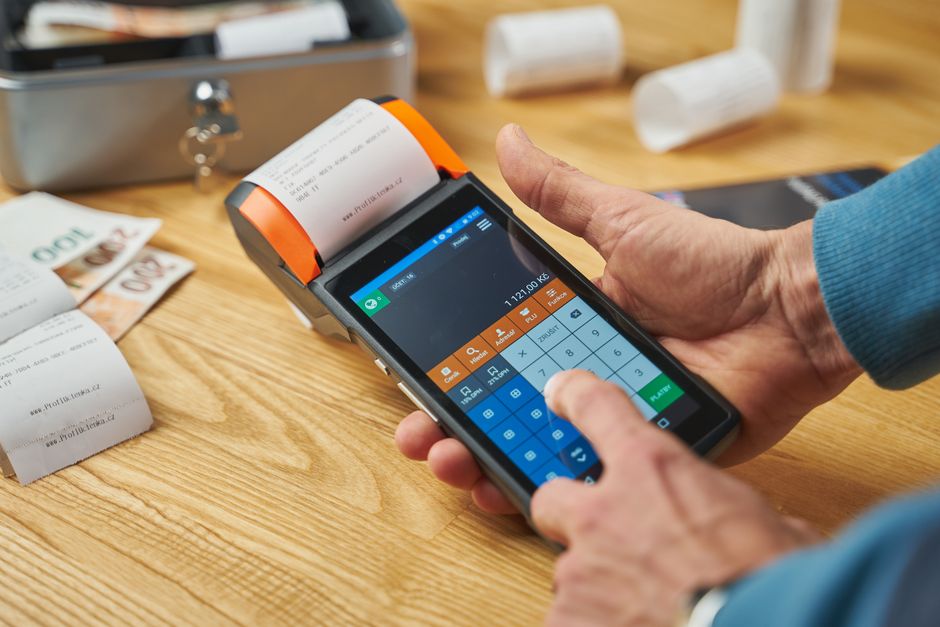
Quick answer: Modern POS systems meticulously track real-time Cost of Goods Sold (COGS) on every plate by integrating inventory management, precise recipe costing, and supplier data, allowing restaurants to immediately understand profitability. This granular visibility helps operators make swift, informed decisions about pricing, menu engineering, and purchasing to optimize margins. By automating these complex calculations, modern POS systems transform raw ingredient costs into actionable insights for every dish sold.
Key Takeaways
- You absolutely need real-time COGS tracking if you want to keep your restaurant’s profits healthy. The industry changes fast, and you can’t afford to be guessing.
- Modern POS systems automate everything: inventory, recipe costing, and purchasing data. That means you get COGS insights right when you need them, not days later.
- With accurate COGS data, you can really dig into your menu. Figure out which dishes make you money and which ones are just taking up space.
- Cut down on food waste, keep inventory just right – those are direct perks of really precise COGS analysis, all thanks to this technology.
- But to get it right, you’ll need good data going in, solid staff training, and consistent checks on those POS reports.
- Looking ahead, AI and blockchain are going to make COGS tracking and seeing exactly where your ingredients come from even better.
What is Cost of Goods Sold (COGS) for Restaurants?
Cost of Goods Sold (COGS) in the restaurant industry? It’s basically what it costs you directly to make the food and drinks you sell. This covers the raw ingredients, packaging tied directly to the item, and sometimes the direct labor that goes into prep, though labor often gets handled separately. You can’t really know how healthy your restaurant’s finances are, or how much profit you’re actually making, without a handle on COGS.
Why is Tracking COGS in Real-Time Critical for Success?
Real-time COGS tracking gives you an instant, spot-on picture of how each dish is performing financially. Old-school, manual ways? They usually rely on old sales numbers or just count inventory now and then. By the time you look at that data, it’s already out of date.
But real-time tracking lets managers see cost swings, ingredient price hikes, or waste problems as they crop up. You can fix things right away. Say avocado prices jump 15%. A real-time COGS system will flag that instantly. You can then quickly look at your menu prices or find a new avocado supplier. That kind of quick reaction? It’s essential for dealing with crazy market changes and keeping your profit margins where you want them. Otherwise, you might be selling dishes at a loss for weeks, even months, without even knowing.
How Modern POS Systems Track Real-Time COGS on Every Plate?
Modern POS systems really are the brains of the operation. They tie together all sorts of restaurant tasks, and that makes real-time COGS tracking not just doable, but super efficient. They link up sales data from the front with all the inventory and recipe info from the back. That smooth information flow? It’s the absolute core of getting accurate, minute-by-minute cost calculations.
When someone orders a dish through a modern POS system, it instantly pulls the exact amounts of each ingredient out of your digital inventory. At the same time, it uses the current cost for those ingredients, either straight from supplier invoices or from set average prices. So, this instant deduction and costing means the COGS for that plate gets calculated the second it’s sold.
Ingredient Inventory Management: The Foundation of Accuracy
The real heart of real-time COGS tracking by this technology? It’s the smart ingredient inventory management. Every single ingredient – literally, from a pinch of salt to a prime steak – goes into the system. It tracks its unit cost and how much you have on hand. When you buy ingredients, the system updates your stock levels and the average cost per unit.
An order comes in, and the POS software automatically reduces the inventory for each ingredient based on your exact recipe. This automated process means no more manual tracking mistakes. Plus, you get an always-up-to-date look at what you have and what it’s worth. And it’ll tell you when stock is low. No more running out of key ingredients; your menu items will always be available.
Recipe Costing Integration: Precision at the Plate Level
The best POS solutions bake in detailed recipe costing, so you know the exact cost of every dish. Each menu item has a digital recipe card inside the system, showing precisely how much of every ingredient you need. That means main ingredients, garnishes, and even the side sauces or condiments. The system grabs the current cost of each ingredient from inventory and figures out the total cost for that exact recipe.
Say your burger needs 6 oz of patty, an ounce of cheese, and two tomato slices. The system immediately gets the real-time cost for those exact amounts. That kind of detail means the COGS for every sale is super accurate. It really shows you the true cost of what your customer is eating.
Supplier and Pricing Data Synchronization: Dynamic Cost Updates
A lot of these systems plug right into supplier databases, or at least let you easily import invoices. That’s huge for keeping ingredient costs current. When supplier prices shift, the system can automatically tweak the unit cost of ingredients you have in stock. This real-time syncing makes sure your recipe costing always reflects the latest market prices.
Without it, you’d be stuck with manual updates, and those are slow and prone to mistakes. Automated syncing means if your cooking oil jumps 10% in price on the last delivery, the system instantly bakes that into the COGS for every dish that uses it. It stops those hidden price increases from silently eating away at your profit margins.
The Role of Data Analytics in Optimizing Restaurant Profitability
Beyond just tracking, these POS systems are great at turning raw COGS data into smart, actionable insights using powerful analytics. This analysis helps managers not just know their costs, but really understand how to make them better. Data turns into a strategic tool, guiding choices that directly hit your bottom line.
These systems churn out detailed reports and dashboards. You can see cost trends, how much of each ingredient you’re using, and how profitable each plate is, all visually. Managers can quickly find oddities – like a sudden jump in a dish’s cost – or pinpoint ingredients that keep going to waste. The real power? Making decisions based on actual data, not just gut feelings. That leads to restaurant operations that are both more stable and more profitable.
Identifying High-Profit vs. Low-Profit Items for Menu Engineering
One of the biggest uses for real-time COGS data is menu engineering. These systems give you super detailed profitability reports for every item. They look at selling price, ingredient cost, and how popular it is. So, restaurant owners can sort dishes by how much they contribute and how many they sell.
You might find a popular dish actually has a terrible profit margin because its ingredients cost so much. Meanwhile, a less-ordered item could be a real money-maker. With that info, managers can smartly tweak where items appear on the menu, adjust prices, or even change recipes to push up overall profits. By 2026, restaurants using these tools will absolutely have a leg up on places still just guessing.
Minimizing Food Waste and Spoilage with Precision
Food waste? It’s a notorious money drain for restaurants. This POS tech, through its detailed inventory tracking and COGS analysis, really helps cut down on that waste. The system watches how many ingredients you use compared to sales. It can flag oddities that might point to over-portioning, spoilage, or even theft. That kind of oversight helps you find problem spots and fix them.
What’s more, advanced POS systems often have predictive analytics. They can guess how many ingredients you’ll need based on past sales, seasonal changes, and even upcoming events. This means much more accurate ordering, so you’re less likely to overstock perishables and have less spoilage. Less waste directly means lower COGS and bigger net profits. Simple.

Dynamic Pricing Strategies in a Competitive Market
Real-time COGS tracking lets restaurants use dynamic pricing. They can react instantly to shifts in ingredient costs or customer demand. Say fresh seafood prices suddenly shoot up because of bad weather. A restaurant could instantly adjust prices on seafood dishes or offer cheaper specials instead. That flexibility keeps your profit margins safe, without making customers unhappy.
But also, if ingredient costs drop or business is slow, owners can temporarily cut prices on certain items to draw more people in, knowing the new COGS still leaves them with good profit. This smart, data-driven pricing keeps you competitive and makes the most of your sales potential. It adapts to market changes right when they happen.
Implementing Modern POS Systems: Best Practices for COGS Tracking
Getting the most out of modern POS systems for COGS tracking isn’t just about installing software. It means you’ve got to commit to accurate data, really train your staff, and keep a close eye on things. Skip these steps, and even the fanciest system won’t do all it could for your cost management.
Moving to a new system, or even just making your current one better, needs a real strategy. Restaurants shouldn’t just see their POS as something that processes sales. It’s a core business intelligence tool. Put in the time and money for proper setup and ongoing management, and you’ll see big returns in profit and how smoothly things run.
Data Accuracy and Consistency: The Cornerstone
‘Garbage in, garbage out’ – that old saying absolutely applies to COGS tracking. If you want your POS system to give you accurate real-time data, what you put in has to be perfect. That means carefully putting in exact ingredient costs, precise recipe measurements, and consistent info for every supplier. Any mistakes at the start will ripple through the whole system, giving you wrong COGS numbers and misleading profit reports.
Restaurants really need to set up strict rules for data entry. That includes regularly checking ingredient costs against invoices and double-checking recipe specs. And if you have multiple locations, consistent data entry across all of them is super important. A clean, accurate database is the absolute foundation for reliable COGS tracking.
Staff Training and Adoption: Empowering the Team
Even the easiest-to-use POS systems need good staff training to make sure they’re used well. Everyone involved – kitchen staff who portion, purchasing managers, even front-of-house staff – needs to grasp their part in keeping data accurate. Training should cover receiving inventory correctly, entering invoices, tweaking recipes, and handling sales through the system.
And this is key: staff need to get why accurate data entry matters, not just how to do it. When employees see their work directly helps the restaurant make money and stay stable, they’ll adopt the system much faster and stick to the rules better. Plus, ongoing training and refreshers are crucial to stay on top of system updates and new features.
Regular Auditing and Reporting: Continuous Improvement
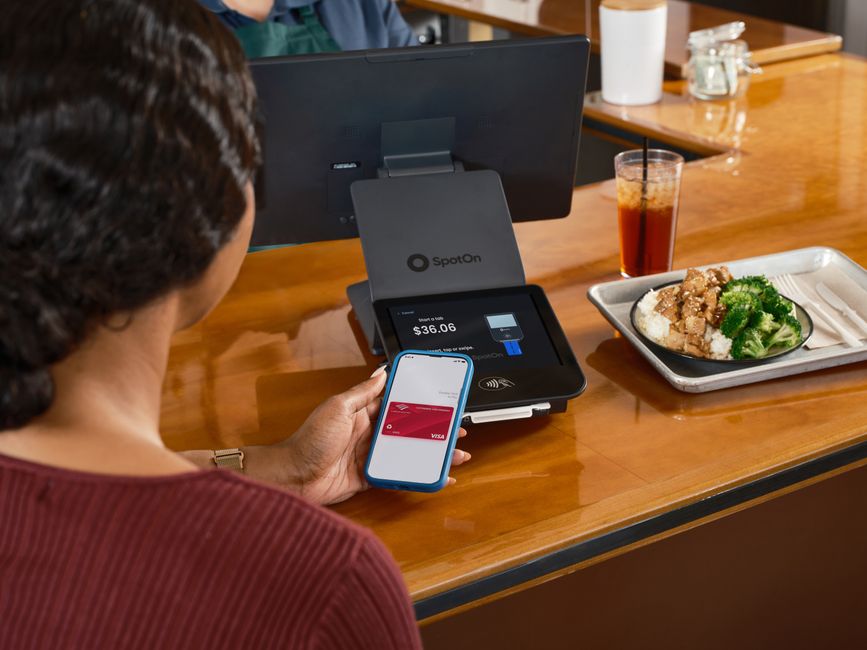
Setting up a POS system for COGS tracking isn’t a ‘set it and forget it’ deal. It’s a continuous process of checking and tweaking. Regularly checking your inventory counts against what the system says helps find differences and potential problems, like theft or hidden waste. Management needs to diligently review those daily, weekly, and monthly reports the system churns out.
These reports show you ingredient cost changes, how profitable dishes are doing, and where you might make operations better. By always looking at this data, restaurants can get ahead – adjusting buying strategies, changing menu items, and fine-tuning how things run. This constant feedback loop keeps COGS tracking effective and helps you stay profitable for the long haul.
Future Trends in POS and COGS Management
The evolution of modern POS systems continues at a rapid pace, promising even more sophisticated COGS management capabilities. As tech moves forward, restaurants can look forward to even more cutting-edge tools. They’ll boost precision, predictability, and how efficient cost control is.
From 2027 onwards, these new ideas won’t just track things. They’ll actively guide big decisions, cut down on manual work, and give you a complete picture of your financial performance. Restaurants wanting to stay competitive and push profit margins higher than ever will need to embrace these new technologies.
AI-Powered Predictive Analytics for Smarter Forecasting
Artificial Intelligence (AI) is about to totally change COGS management. It’s bringing super-smart predictive analytics right into these POS systems. AI can crunch huge amounts of data – past sales, seasonal patterns, weather, local events, even social media buzz – to accurately guess how many ingredients you’ll need. That kind of precise forecasting means restaurants can order ingredients much smarter. Less overstocking, less waste, but always enough supply when things get busy.
Plus, AI can spot tiny connections between ingredient costs and sales. It can suggest the best pricing or different ingredient sources before cost changes hurt your profits. Think about a system that sees avocado prices are going up and tells you to adjust menu prices or run a special on something else, weeks ahead of time.
Blockchain for Enhanced Supply Chain Transparency
Blockchain tech, still pretty new in lots of industries, has huge potential for making restaurant supply chains much more transparent. If you connect blockchain with POS systems, you could get a solid, unchangeable record of every ingredient, from the farm right to the plate. That means restaurants could trace the exact origin, quality, and cost of ingredients with insane accuracy.
For COGS, this kind of transparency would ditch the guesswork. You’d get real-time proof of ingredient authenticity and fair prices. It would also make food safety recalls easier to handle and build more trust with customers, who increasingly want to know where their food actually comes from. And by 2028, you might see some smart suppliers and restaurant chains trying out these distributed ledger systems.
Integrated Labor Cost Analysis for Holistic Profitability
COGS mainly deals with ingredients, sure, but labor costs are another big expense for restaurants. Future POS systems will increasingly weave real-time labor cost analysis right into how profitable each dish is. Tracking prep times and attaching labor costs to specific menu items means restaurants will get an even fuller picture of what each plate truly costs them.
This integration will let you do menu engineering that really looks at both ingredient and labor efficiency. Think about it: a dish with cheap ingredients might take ages to prepare. That means its overall profit could be way lower than you expected. This detailed breakdown will help managers fine-tune workflows, staff schedules, and recipe design for the best financial efficiency. Ultimately, it’s about knowing the full economic impact of everything you sell.
Frequently Asked Questions
How often should COGS be calculated in a restaurant?
Modern POS systems calculate COGS in real-time with every sale; however, restaurant managers should review COGS reports daily or weekly to monitor trends and identify discrepancies. Monthly comprehensive reviews are also essential for strategic planning.
Can a traditional POS system track real-time COGS?
Generally, traditional POS systems lack the integrated inventory management and recipe costing features required for real-time COGS tracking. They often require manual data entry and separate inventory systems, leading to delayed and less accurate insights.
What are the main benefits of real-time COGS tracking?
The primary benefits include immediate identification of cost fluctuations, improved menu engineering decisions, significant reduction in food waste, more accurate pricing strategies, and enhanced overall profitability and financial control.
What role does menu engineering play in COGS optimization?
Menu engineering uses COGS data to analyze the profitability and popularity of each dish, guiding decisions on pricing, promotion, and recipe adjustments. It helps restaurants prioritize high-margin items and improve or remove low-profit dishes.
How do modern POS systems help manage food waste?
Modern POS systems track ingredient usage against sales, highlight inventory discrepancies, and can provide predictive analytics for demand forecasting. This precision helps reduce over-ordering, spoilage, and operational waste, directly lowering COGS.