

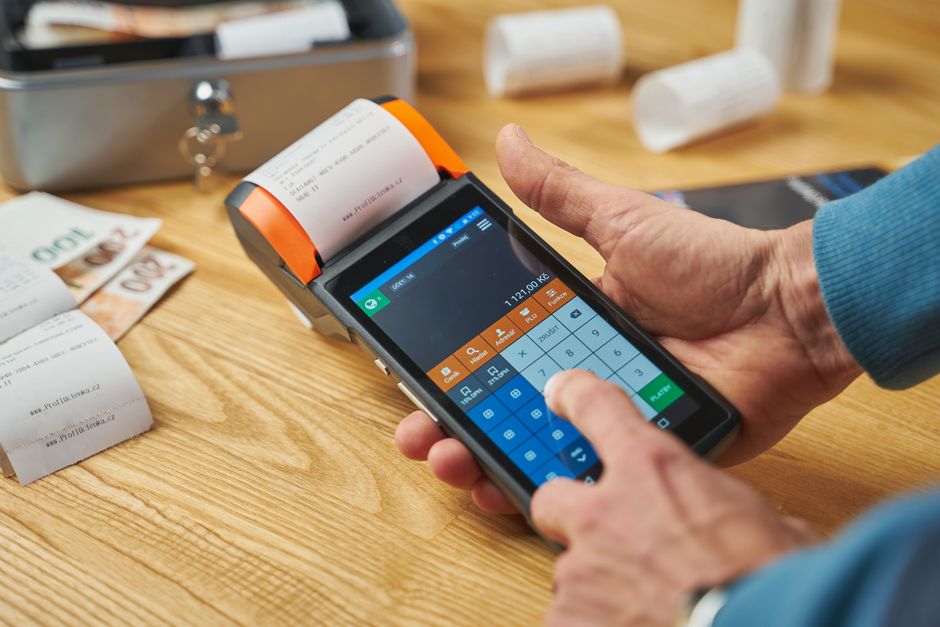
Quick answer: Point of sale data analytics transforms raw transaction data from daily sales into actionable business intelligence. By analyzing this wealth of information, businesses can uncover customer buying patterns, optimize inventory, personalize marketing efforts, and ultimately drive significant revenue growth in a competitive market.
Key Takeaways
- Point of sale (POS) data offers deep insights into customer behavior, purchasing trends, and product performance.
- Analyzing POS data helps optimize inventory levels, reducing waste and preventing stockouts.
- Personalized marketing campaigns become more effective by targeting customers based on their actual purchase history.
- Identifying top-performing products and customer segments can inform strategic business decisions.
- Leveraging advanced analytics tools is crucial for extracting meaningful insights from large POS datasets.
- Regular analysis of POS data fosters continuous improvement in sales strategies and operational efficiency.
Point of sale data analytics isn’t just a nice-to-have for retailers anymore; it’s essential. Every single sale – whether it’s a quick coffee or a huge order – churns out valuable data. Analyze it right, and that data lights up customer behavior, product hits and misses, and how efficiently you’re running things. It gives you a real path forward for marketing and growth, especially as we look toward 2026 and beyond.
Businesses that skip out on this information goldmine risk losing ground fast. Knowing what flies off the shelves, when, and to whom? That’s your competitive advantage. So, let’s turn those everyday transaction receipts into sharp marketing insights.
What is Point of Sale Data Analytics, and Why is it Essential?
Point of sale (POS) data analytics is all about grabbing, sorting, and making sense of the information you collect when a customer buys something. We’re talking about specifics: what product they bought, how much it cost, how many, when, what time, how they paid, and sometimes even a bit about the customer themselves. Basically, you’re digging out patterns and clever ideas from all that data, ideas that help you make smarter business choices.
Just going with your gut feeling won’t cut it anymore. POS data gives you solid proof of what customers really want and how the market’s shifting. It pushes businesses past just reacting to things, letting them plan ahead with real numbers.
Say you see sales suddenly jump for one item. You’ll know it right away. But if a product’s just sitting there, not moving? You can flag it for a sale or even pull it. That kind of real-time insight is just gold for quick-moving businesses.
How Does Point of Sale Data Collection Work?
Modern POS systems are really the heart of all this data collection. When someone buys something, the system instantly logs every single transaction detail. All that data then gets pulled together and stored, usually in the cloud, ready for you to poke around and analyze.
Moving from old-school cash registers to today’s integrated POS systems totally changed how we grab data. These systems can track individual SKUs, slap on discounts, run loyalty programs, and handle all sorts of payments. And each little bit adds up to a rich, detailed data pool.
What’s more, lots of POS systems play nice with other business intelligence tools. This gives you one clear picture of your whole operation, linking sales data with inventory, customer relationships (CRM), and marketing automation. That seamless connection is what lets you analyze everything, end-to-end.

What Key Insights Can Point of Sale Data Analytics Reveal?
The real magic of point of sale data analytics? It pulls back the curtain on hidden trends and gives you genuinely smart business intelligence. These insights touch everything you do in retail, from dreaming up new products to keeping your customers around. So, really getting these areas matters if you want to squeeze every last drop of value from your data.
Understanding Customer Behavior and Preferences
Digging into transaction histories lets you build really detailed profiles of your customers. It’s way more than just demographics; you actually see how people buy. Which products are always sold together? What time of day do certain groups like to shop?
For example, you might find that folks who grab coffee almost always add a pastry. That little insight can spark ideas for bundle deals or smart product placement. And when you spot your high-value customers, you can hit them with super-targeted loyalty programs and special deals that really keep them coming back.
But it also helps you split customers into smarter groups. Instead of just basic age or location, you can sort them by how often they buy, how much they spend per visit, or even their favorite product types. Then, you can talk to each group in a way that feels totally personal.
Optimizing Inventory Management and Product Assortment
When it comes to inventory, POS data offers one of the quickest wins. Spot-on sales figures stop you from having too much stuff or not enough. Overstocking means your money’s just sitting there, gathering dust, and often leads to waste. But run out of stock? You’ve lost sales and annoyed customers.
Predictive analytics, fed by your past POS data, can nail down demand way more accurately. So, businesses can order just the right amount of product, exactly when they need it. And it helps you find those dusty items that aren’t selling so you can discount them or just get rid of them.
Plus, POS data helps you pick out what products to actually stock. What’s always flying off the shelves? Do people in different areas want different things? These insights mean your shelves hold exactly what customers are looking for, making their shopping trip better.
Enhancing Marketing Strategies and Personalization
Marketing just works better when data’s driving it. POS data lets marketers build laser-focused campaigns based on what people actually bought, not just a guess. And that means more sales and a much better return on your ad spend.
Say a customer always buys pet supplies. Then, sending them emails about new pet food or upcoming sales on pet accessories will really hit home. Even if they ditch a cart online, that data – often tied to your POS – can fire off an automated email with recommendations tailored just for them.
You can also sharpen up your loyalty programs with this data, dishing out rewards that actually make people want to come back. And knowing your sales peaks and valleys helps you time promotions perfectly for the biggest punch, lining up your deals with when people are most likely to buy.

How to Implement Effective Point of Sale Data Analytics
Putting a solid plan in place for point of sale data analytics means you need a clear strategy, the right software, and a promise to keep digging into that data. It’s not enough to just gather it; you’ve got to make that data earn its keep for your business. So, here are some key steps and things to think about.
Choosing the Right POS System and Analytics Tools
Effective POS data analytics starts with a strong POS system. You’ll want one that’s great at grabbing data, plays well with cloud services, and connects easily with your other business software. And make sure it can grow with you – scalability is huge.
But don’t stop at just the POS system; think about dedicated analytics platforms too. Lots of advanced tools out there can do things like visualize your data, predict future trends, and even offer AI-powered insights. They really turn all that raw data into reports and dashboards you can actually understand at a glance.
Connecting your POS system with your CRM, marketing automation, and inventory software? That’s non-negotiable. When everything talks to everything else, you smash down those annoying data silos and get a much clearer, fuller picture of how your business is doing.
Collecting and Cleaning Your POS Data
Good data quality is absolutely vital for accurate analysis. Set up crystal-clear rules for data entry, and make sure everyone’s consistent across the board. Because if your data’s messy or incomplete, you’ll end up with bad insights and make all the wrong calls.
Clean your data regularly. Get rid of duplicates, fix errors, and make sure all the formats are the same. A lot of this can be automated, but you might still need to go in by hand for trickier problems. Honestly, think of data cleaning like prepping your ingredients before cooking – totally essential if you want a decent meal.
But don’t just stop at cleaning; beefing up your data can give you even deeper insights. You might add customer demographics, location info, or even outside market data. The more detail you have, the stronger your analysis will be.
Analyzing Data for Actionable Marketing Insights
Once you’ve got that clean data, it’s time to dig in. Start with descriptive analytics to simply see what happened: What were your sales figures? Which products flew off the shelves? When were your busiest hours? Then, move onto diagnostic analytics to figure out why those trends appeared. Was it a special promo? A new item? Or just the season changing?
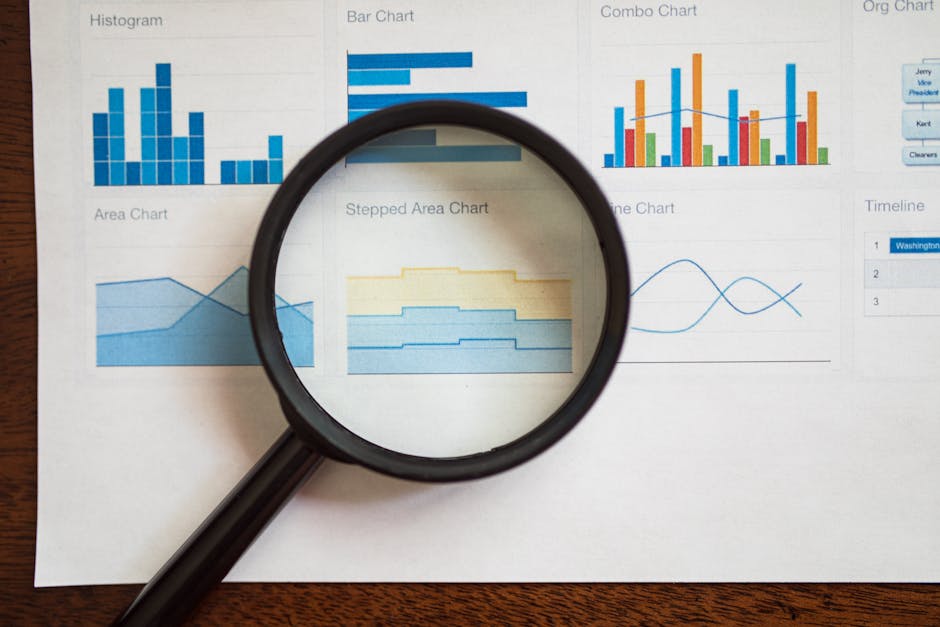
Use your tools to spot patterns, connections, and weird outliers. Hunt for signs that customers might be leaving, chances to cross-sell, or whole new customer groups you haven’t reached yet. And with charts and graphs, visualizing all this data makes complex stuff way simpler to understand and share around.
Finally, predictive analytics can actually tell you what’s coming, using all that past data. This means you can get ahead of demand, plan your marketing pushes, and use your resources smarter. But prescriptive analytics? That takes it up a notch, suggesting exact actions you should take based on what it predicts.
Common Challenges in Point of Sale Data Analytics
Sure, point of sale data analytics offers huge benefits, but businesses often hit snags when trying to set it up and keep it running. Spotting these problems early lets you plan smarter and get better results. Tackle them head-on, and you’ll really squeeze all the juice out of your data.
Ensuring Data Security and Privacy Compliance
You’re handling tons of customer transaction data, so security and privacy are top priority. Businesses have to follow ever-changing data protection rules like GDPR or CCPA, depending on where they operate. Screw up, and data breaches can totally trash your reputation and cost you big money.
You’ve got to put strong encryption in place, control who sees what, and run security audits regularly. And training your team on how to handle data responsibly? That’s huge. Plus, being upfront with customers about how you use their data builds trust and cuts down on those privacy worries.
Picking POS and analytics vendors with solid security creds and a proven history is super important too. Just make sure your contracts spell out exactly who owns the data and who’s responsible for keeping it safe.
Overcoming Data Silos and Integration Issues
One of the absolute toughest parts of getting a full picture from your data? When that data lives in isolated silos. If your POS data isn’t talking to your CRM, inventory, or e-commerce platforms, you’re only seeing bits and pieces of your customers and how your business runs.
Often, these integration headaches pop up because you’re using different systems that just weren’t built to talk to each other. That can mean lots of manual data moving, mistakes, and huge delays in getting your analysis done. A single, integrated platform or some strong middleware can connect those dots for you.
So, it’s smart to invest in solutions that use APIs or platforms that are really good at integrations. This gives you one master record, which means your business intelligence is much more accurate and complete. What you’re aiming for is simply having all your information flow smoothly between every system.

Lack of Expertise and Resources for Analysis
Gathering data is easy enough; actually analyzing it well? That’s a whole different ballgame. Lots of smaller and mid-sized businesses just don’t have the data science or advanced analytics pros on staff to really wring all the value out of their POS data. And that means valuable data sits idle, and big chances get missed.
You could train up your current team, or hire some dedicated data analysts to fill that gap. But if that’s not in the cards, working with outside consultants or using smart AI-powered analytics tools can give you the muscle you need without bringing on another full-timer.
And you’ve also got to build a data-smart culture across the company. Get everyone, from marketing to operations, using data to make their calls. That’s how all your hard work collecting and analyzing data actually turns into real, measurable improvements for the business.
Future Trends in Point of Sale Data Analytics
Point of sale data analytics is always changing. Technology pushes it forward, and what customers expect keeps shifting. So, keeping an eye on these future trends is vital if businesses want to stay ahead and really shake up their marketing in the coming years.
AI and Machine Learning for Predictive Insights
AI and machine learning? They’re totally reshaping POS data analytics. These technologies can rip through huge amounts of data way faster than any person, spotting tricky patterns and making super-accurate predictions. It takes analytics beyond just describing what happened, pushing it into actually predicting and even prescribing what to do next.
AI systems can forecast demand for products with incredible precision, fine-tune pricing on the fly, and even tell you when a customer’s about to jump ship. That means businesses can act before things go wrong, maybe sending out personalized offers to keep folks around.
And machine learning also supercharges personalization. It lets you send hyper-targeted marketing messages, built around what individual customers like and what they’re likely to do next. That kind of precision really makes campaigns hit harder and leaves customers happier.
Hyper-Personalization and Customer Journey Mapping
Imagine this: future POS data analytics will make personalization so deep it’ll feel like every customer gets their own unique experience. Combine your POS data with loyalty program info, browsing history, and even social media, and you can map out that entire customer journey.
With that complete view, you can hit them with personalized recommendations, deals, and messages at every single step. Picture this: a customer gets a discount on their favorite item just as they walk by your shop. Their past purchases and current location data made it happen.
When you map out that journey, you quickly see where customers struggle and where you can do better. The result? A smoother, more pleasant shopping trip. And that’s how you build stronger customer ties and real brand loyalty.
Integration with Omnichannel Experiences
Retail is all about omnichannel these days, right? So, POS data analytics will be key to pulling all your data together across every sales channel. Bought something online? In the store? On an app? That data needs to be integrated to build one full picture of your customer.
This kind of integration lets businesses see how different channels bump into each other and helps them offer the same consistent brand vibe everywhere. Take a customer who checks out stuff online but buys it in your physical store. They can still get personalized follow-ups based on what they clicked on digitally.
Smash down those channel silos, and businesses can move inventory around smarter between different spots, smooth out how they get orders to customers, and offer super flexible choices like ‘buy online, pick up in-store’ (BOPIS). And all that’s possible because of integrated POS and e-commerce data.
Frequently Asked Questions
What is the primary benefit of point of sale data analytics for marketing?
The primary benefit is gaining deep, actionable insights into customer buying behavior, enabling businesses to create highly targeted and personalized marketing campaigns that drive higher engagement and conversion rates.
Can small businesses effectively use point of sale data analytics?
Absolutely. Modern, cloud-based POS systems and affordable analytics tools are readily available, making powerful data insights accessible even for small businesses to optimize operations and marketing.
How often should I analyze my POS data?
The frequency depends on your business volume and specific goals, but a combination of daily performance checks, weekly trend analysis, and monthly or quarterly strategic reviews is generally recommended for continuous optimization.
What kind of data does a POS system typically collect?
A POS system typically collects transaction details such as product SKUs, quantities, prices, payment methods, date, time, store location, and sometimes customer information if linked to a loyalty program.
Is it expensive to implement point of sale data analytics?
Initial costs can vary depending on the POS system and analytics tools chosen, but the long-term benefits in terms of improved sales, inventory management, and marketing effectiveness typically provide a significant return on investment.
How does POS data help with inventory management?
POS data provides real-time sales information, allowing businesses to identify fast-moving and slow-moving products, forecast demand accurately, optimize stock levels, and minimize both overstocking and stockouts.