Quick answer: Modern coffee shops absolutely need sub-second payment processing for coffee shops. It’s how they keep up with what customers expect and run smoothly. This super-fast transaction speed makes customers happier, shortens lines, and directly helps bring in more money and keeps baristas satisfied in our busy retail world.
Key Takeaways
- Getting payments done in under a second is vital for making customers happy in busy coffee shops.
- Faster transactions mean shorter waits. That makes customers happier and builds loyalty.
- You’ll have fewer bottlenecks, so staff work better, and the shop can serve more people.
- Modern countertop POS systems, with their advanced payment gateways, make these lightning-fast transactions possible.
- Newer EMV and contactless payment tech really helps hit those sub-second speeds.
- Setting up these systems can boost sales, increase how much each customer spends, and even improve barista tips.
Coffee shops today need sub-second payment processing for coffee shops if they want to thrive. The market’s competitive, and everything moves fast. Customers just expect speed and convenience now. A smooth transaction isn’t some fancy extra; it’s a basic requirement for daily business.
Every millisecond counts when folks are lining up for their morning coffee. Slow payment systems? They just create headaches, frustrate people, and lose you sales. But fix this one crucial step, and you directly impact how happy your customers are and what your shop earns.
Why Is Speed So Crucial for Customer Experience?
Speed is everything for customer experience in a coffee shop. It directly affects how valuable and convenient customers find your service. People often pick a coffee shop based on how quickly they can grab their order and get on with their day. Long lines and slow transactions just chip away at customer goodwil.
A quick payment makes a great first impression and keeps customers coming back. In a busy place, customers really value efficiency. Fast service means they’re much more likely to return, and they’ll tell their friends good things about you, too.
And yes, coffee shops are still that “third place,” a community spot. But even in these social settings, people expect fast transactions. They want to order, pay fast, and then either relax or move on, not get stuck waiting around for the system to catch up.
How Does Slow Payment Processing Impact Operations and Revenue for Coffee Shops?
Slow payment processing seriously messes with a coffee shop’s operations. It creates bottlenecks right at the counter. Baristas end up spending more time waiting for payments to clear instead of making drinks or talking to customers. And that inefficiency means your shop can’t handle as many orders during busy times.
Fewer orders processed? That directly leads to lost sales. When lines get too long, potential customers might just give up and go somewhere else. Every sale you miss is real money out of your pocket, especially if you’re in a busy area.
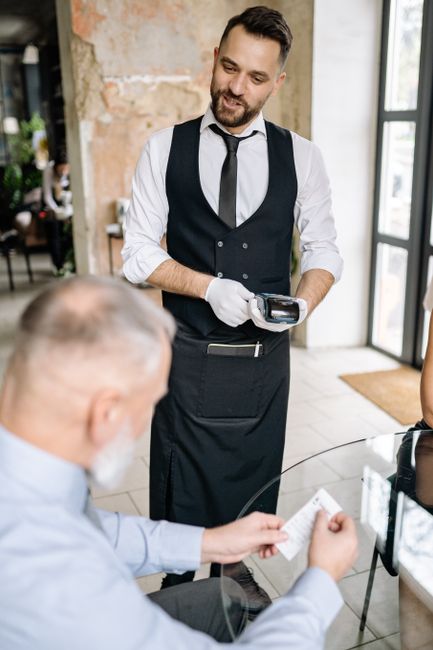
But it’s not just lost sales. Slow systems can actually cost you more in staff wages. You might need employees to work longer shifts just to get through the slow checkout process. So, you see why sub-second payment processing for coffee shops isn’t just a nice-to-have; it’s a smart investment.
What Actually Counts as ‘Sub-Second’ Payment Processing?
‘Sub-second’ payment processing means the whole transaction, from tapping your card to getting approval, happens in under one second. This includes the card reader taking your data, sending it out, getting authorization back, and confirming the sale. Older payment methods, especially chip cards, often drag on for 3-5 seconds, or even longer. And that really adds up when your shop is slammed.
To hit those sub-second speeds, you usually need a combination of optimized hardware, efficient software, and a super-reliable network. It’s all about cutting down delays at every single step of the transaction. And that speed keeps things flowing smoothly at the counter, which is essential for coffee shops processing hundreds of transactions every day.
What Technologies Enable Sub-Second Payment Processing for Coffee Shops?
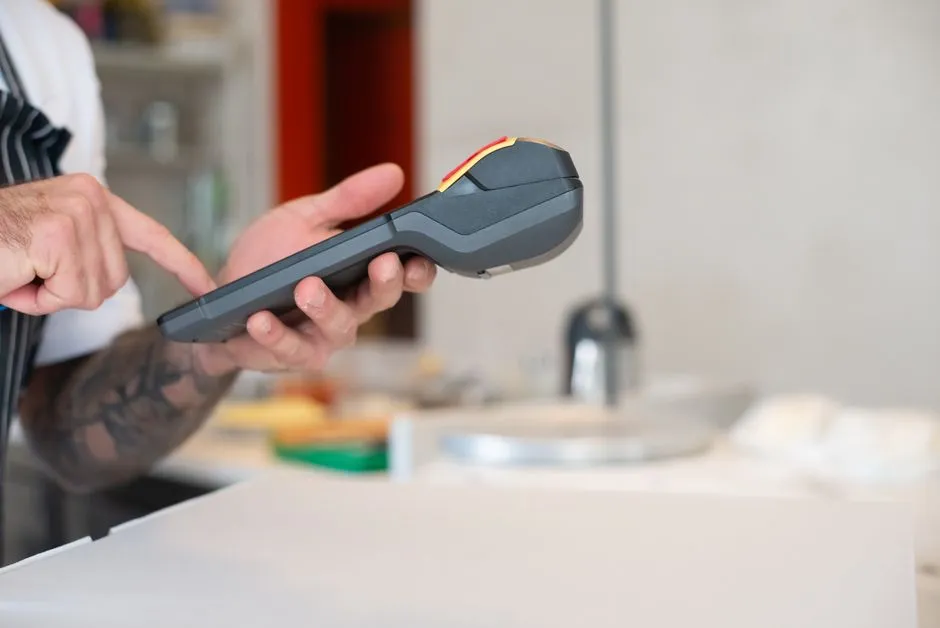
A few cutting-edge technologies come together to make sub-second payment processing for coffee shops a reality. Modern countertop POS systems lead the way, embedding advanced payment terminals right into their software. These systems are built to quickly grab and send data.
Contactless payment methods like NFC (Near Field Communication) are a huge part of this. Customers just tap their card or phone, and the transaction happens almost instantly. This tech skips the slower process of inserting a chip card and waiting.
Cloud-based payment gateways also play a big role. They offer faster processing and can handle a lot more volume. They manage transactions securely and efficiently, often using super-fast data centers. Plus, you need solid network infrastructure—think reliable Wi-Fi and wired ethernet connections—to minimize any communication delays between the POS, the gateway, and the bank.

How Do EMV and Contactless Payments Play a Role?
EMV (Europay, MasterCard, and Visa) chip technology made payments way more secure. Now, early EMV chip transactions could feel a bit slow because of all the encryption and verification. But modern versions, especially contactless EMV, have gotten incredibly fast.
Contactless EMV payments, you know, the “tap-to-pay” ones, use NFC technology. So, encrypted EMV data zips through the air wirelessly in a fraction of a second. This pairing gives you both the strong security of chip cards and the incredible speed high-volume businesses need. So, yeah, more people using contactless options really helps with sub-second payment processing for coffee shops.
What Are the Tangible Benefits of Implementing Sub-Second Payment Solutions?
Putting sub-second payment solutions into your coffee shop brings tons of real benefits, not just speed. For one, customer satisfaction goes way up. People wait less, and their visit is just smoother and easier. And that builds loyalty.
Secondly, coffee shops can handle way more transactions, especially during those busy rush hours. More throughput directly means you can make more money and grow sales. Plus, with this extra efficiency, your staff can actually focus on making great drinks and helping customers, instead of getting stuck waiting for payments.

And then there’s the cost savings. When transactions take less time, staff can serve more people in the same amount of time. That’s smarter use of your team. It also helps you manage queues better, stopping customers from getting fed up and walking out. This efficiency is absolutely crucial for keeping your profit margins healthy in 2026 and beyond.
How Does Faster Processing Lead to Higher Tips for Baristas?
Faster payment processing can absolutely mean bigger tips for your baristas. When customers get quick, smooth service, they’re just generally happier. A positive, efficient transaction leaves them feeling good, and they’re more likely to leave a generous tip.
Shorter wait times also mean less stress and impatience for customers, which makes for a nicer interaction at the counter. Your baristas have more chances to engage pleasantly and briefly when they’re not bogged down by slow payment systems. And that better customer-barista dynamic often leads to more money in the tip jar for your hardworking crew.
What Should Coffee Shops Consider When Upgrading to Faster Payments?
When coffee shops decide to upgrade to faster payment systems, you’ve got some important stuff to think about. First, you’ll need to check your current countertop POS hardware and software. You really need to make sure it’s compatible with modern, high-speed payment terminals and contactless readers. An old system might just struggle to keep up with sub-second processing, even with new add-ons.
Next, picking the right payment processor and gateway is crucial. Not every processor offers the same speed or supports the latest payment tech. So, do your homework. Look for providers who specialize in busy, quick-service environments and can offer robust, low-latency processing. Also, you’ll want to understand their fees and how well they integrate with your other systems.
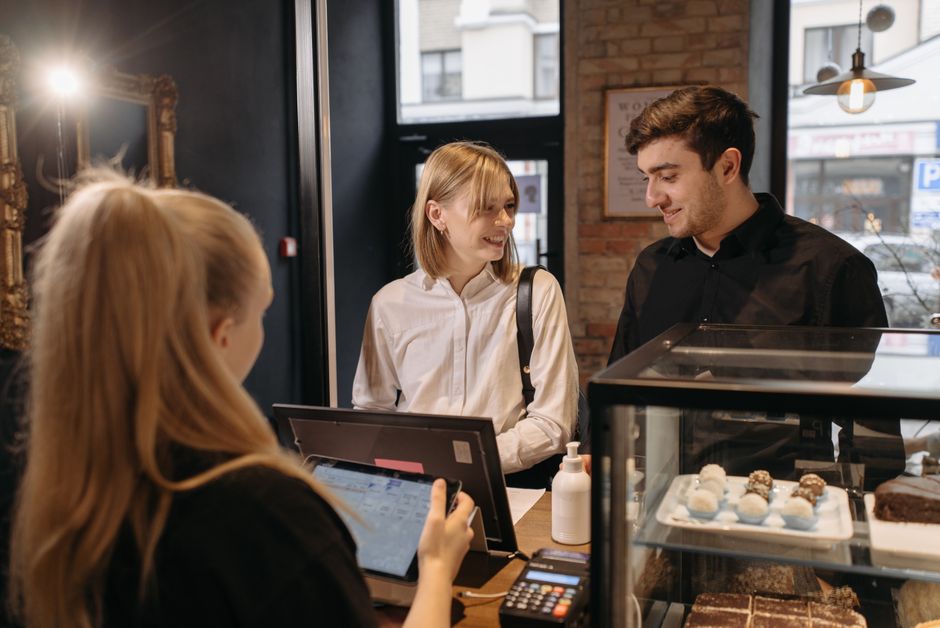
Your network infrastructure is another big one. You simply can’t have sub-second transactions without reliable, high-speed internet. Shops should check their Wi-Fi strength and maybe even think about wired connections for their main POS stations. Security protocols also need to be top-notch. You’ve got to make sure all transactions meet PCI DSS standards to protect customer data. And finally, don’t forget thorough staff training on the new system. That’s how you get the most out of it and ensure a smooth rollout.
Frequently Asked Questions
What is a countertop POS system?
A countertop POS system is a physical terminal at the sales counter that handles transactions, processes payments, and manages sales data. It usually includes hardware like a screen, cash drawer, and payment terminal.
Why are long queues bad for a coffee shop?
Long queues turn away potential customers, frustrate existing ones, and can lead to people abandoning their purchases. All of that hurts a coffee shop’s revenue and reputation.
Does sub-second payment processing improve security?
Yes, often the technologies that enable sub-second processing (like modern EMV and contactless payments) include advanced encryption and tokenization, which make transactions more secure than older methods.
How can I tell if my current POS system is slow?
If customers often get impatient while paying, if transactions regularly take more than 3-5 seconds to finish, or if your baristas complain about system delays, then your POS system is probably too slow.
Is upgrading to faster payments expensive for small coffee shops?
The initial cost can vary, but many modern POS and payment solutions have flexible pricing. The long-term benefits from increased sales and efficiency often outweigh the upfront investment, making it a valuable move for growth.