Quick answer: Restaurant POS systems must include advanced features like tableside ordering and digital bill presentation. These aren’t just fancy add-ons; they really boost customer service, smooth out staff operations, and give you crucial data. That means more money in the till and fewer mistakes, essential in the busy restaurant business.
Key Takeaways
- Tableside ordering makes orders more accurate and speeds up service. Servers just punch in orders right there at the table.
- Digital bill presentation gives customers flexible ways to pay and cuts down on waiting for their check.
- Putting these features into your POS system drastically reduces errors and helps your staff work way more efficiently.
- Restaurants can actually make more per check. Digital menus guide servers in upselling, often with tempting visuals.
- These technologies seriously upgrade the whole dining experience, meeting the higher expectations of today’s tech-savvy guests.
- You’ll collect valuable data from digital transactions. Use it to fine-tune your menu and operations.
Why Restaurant POS Systems Must Include Tableside Ordering in 2026?
By 2026, if your restaurant’s POS system doesn’t do tableside ordering, you’re at a real disadvantage. This tech lets servers take orders right at the table using a handheld device. Those orders then zip straight to the kitchen or bar.
What are the immediate benefits of tableside ordering?
The biggest perk of tableside ordering is how much it cuts down on mistakes and speeds things up. Servers don’t need to scribble notes, then rush to a stationary terminal to punch them in. Misreading messy handwriting? That’s practically gone. It stops those common errors that annoy everyone.
Because orders go straight to the kitchen, they get accurate instructions right away. That means food gets prepped and delivered faster. And faster service leads to quicker table turns. So, during your busiest times, you can serve more guests and make more money.
How does tableside ordering improve staff efficiency?
Tableside ordering really smartens up how your servers work. They spend less time trekking back and forth to the POS terminal. Instead, they can actually stay on the floor, chatting with guests, refilling drinks, and generally being more attentive.
This efficiency means your existing staff can handle more tables without feeling swamped. You might even save on labor costs, or at least reassign staff to other important guest needs. They’ll have more time for things like clearing plates or proactively checking in with diners.
Boosting Upselling Opportunities with Digital Menus
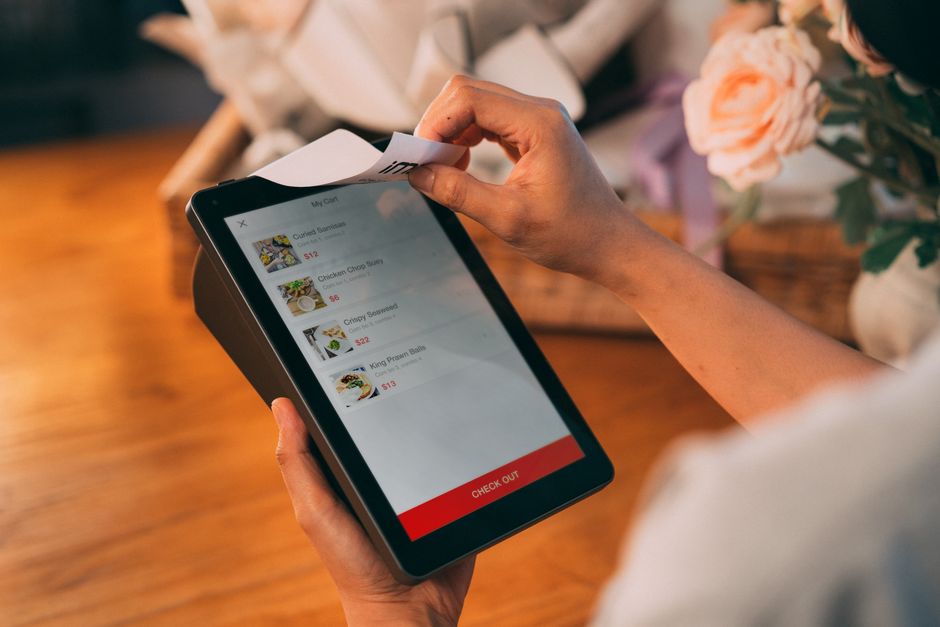
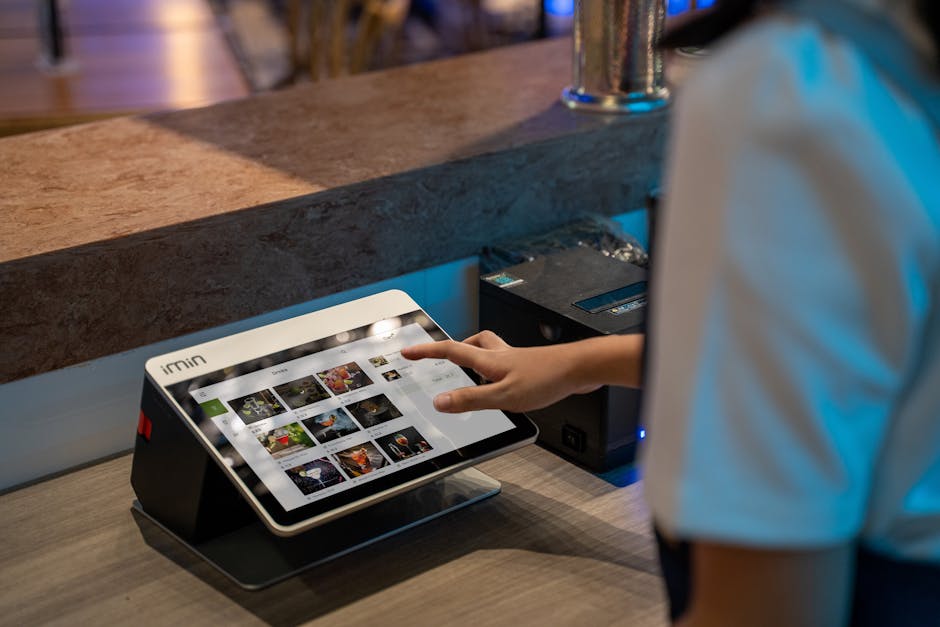
Handheld devices used for tableside ordering usually come with interactive digital menus. These are fantastic for upselling. Your servers can show off appetizers, desserts, daily specials, and drink pairings, often with mouth-watering photos and descriptions. Guests find it much easier to add items to their order when they can see them.
Those tempting visuals, plus a server’s good recommendation, often mean bigger checks. People are just more likely to splurge when options are presented clearly and attractively. And that, of course, boosts your restaurant’s bottom line.
How Modern Restaurant POS Systems Must Include Digital Bill Presentation for Success?
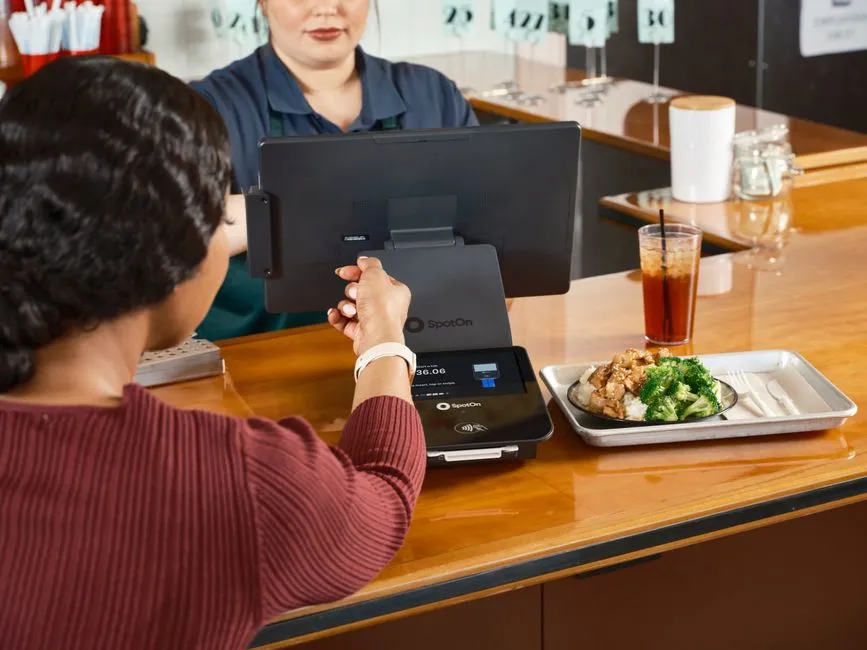
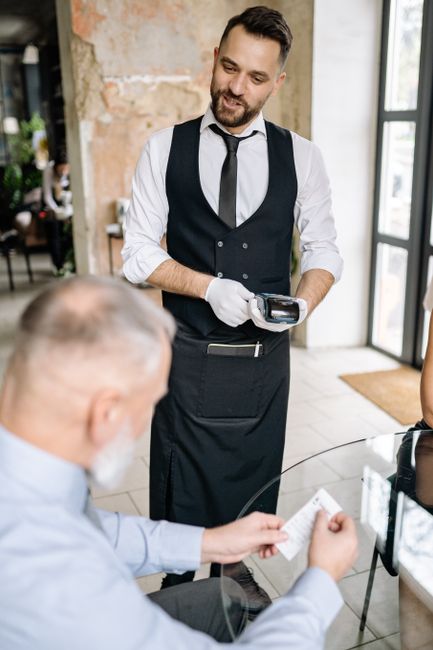
It’s not just about taking orders well. How you handle payments has changed, too. So, modern restaurant POS systems must include digital bill presentation. This feature lets guests check their bill, split it, and pay right at the table, either on the server’s device or their own phone via a QR code.
This smooth process bypasses the whole dance of waiting for a paper check, then waiting for the server to bring a payment terminal, then waiting for the receipt. It’s super convenient and fast, exactly what people expect these days when everything else is instant.
What are the customer experience advantages of digital bills?
Digital bills give diners incredible convenience and control. They can go through their order item by item, making sure everything’s correct before they pay. And splitting the bill with friends? A few taps, and it’s done. Plus, they can pick how they want to pay — credit card, mobile wallet, or even a direct bank transfer — without ever handing over their card.
This freedom really improves the dining experience. It removes those annoying friction points and makes guests happier. It’s a modern, clear, and speedy checkout that leaves a great impression. That means more return visits and better online reviews for you.
Enhancing Security and Reducing Errors with Digital Transactions
Processing payments right at the table using digital systems makes transactions much more secure. Sensitive credit card info gets encrypted and processed instantly through safe channels. This follows all the Payment Card Industry (PCI) rules and drastically lowers the risk of fraud or card skimming that can happen with traditional methods.
What’s more, digital bill presentation practically wipes out human errors in calculations, tip handling, and payment processing. The system automatically totals everything, applies discounts, and processes payments. It almost eliminates those little mistakes that cause disagreements and unhappy customers.
Streamlining Operations and Boosting Profitability
When tableside ordering and digital bill presentation work together, they totally transform how your restaurant runs. You go from constantly reacting to problems to proactively managing things. And that, ultimately, means more profit. These integrated features create a smoother, faster, and more efficient service from start to finish.
By automating key parts of the order and payment cycle, restaurants can reach a level of operational flow they couldn’t before. This isn’t just about grabbing new tech; it’s about fundamentally improving how you serve your customers.
How do these features improve operational efficiency?
Operational efficiency gets a huge boost. The time it takes from when an order is placed to when the bill is paid shrinks significantly. Tableside ordering gets orders to the kitchen instantly, cutting down on food prep time. Digital billing speeds up payments, so tables clear and reset quicker.
All that added speed means higher table turnover. You can serve more customers during busy hours. It makes the most of your dining space and kitchen capacity, directly impacting how much money your restaurant can make and ensuring every seat earns its keep.
Reducing Labor Costs and Optimizing Staff Allocation
When servers spend less time on routine tasks—like walking to a stationary POS terminal or handling physical payments—you can use your staff more wisely. They can focus on what really matters: welcoming guests, recommending dishes, and making sure everyone’s happy.
This doesn’t always mean cutting staff. Often, it means making every team member more effective and productive. A more efficient team can manage more customers without getting stressed, which typically leads to better morale and higher quality service.

Meeting Evolving Customer Expectations and Future-Proofing Your Business
The people dining out in 2026 are super tech-savvy. They expect smooth, efficient, and convenient experiences everywhere they go. Restaurants that don’t jump on modern POS features risk falling behind competitors who embrace innovation.
Putting money into advanced features like tableside ordering and digital bill presentation isn’t just following a trend. It’s a smart move to make sure your restaurant stays relevant for years to come. It ensures you appeal to customers who value speed, transparency, and good tech.
Why do diners expect advanced technology in 2026?
By 2026, people are used to getting what they want, instantly, through technology. Whether it’s ordering groceries or booking a trip, digital platforms have set a high standard for convenience. And that expectation naturally extends to how they eat out.
Diners now expect things that make their visit easier: quick ordering, easy changes to their meal, and simple payment options. Restaurants that offer these conveniences aren’t just keeping up; they’re showing they care about their customers. That builds loyalty and a great reputation.
Gathering Valuable Data for Informed Business Decisions
Integrated POS systems, especially when restaurant POS systems must include tableside ordering and digital billing, become powerful hubs for collecting data. Every single order, payment, and customer interaction creates useful data points. You can then analyze this info to see what menu items are popular, when your busiest times are, what your average check size is, and even how well your servers are doing.
These insights give managers and owners solid facts to make decisions. You can tweak menus, adjust staffing, run targeted marketing campaigns, and ultimately improve your whole business strategy. That leads to steady growth and more profits in the years ahead.
Frequently Asked Questions
What exactly is tableside ordering?
Tableside ordering means your restaurant staff use a mobile device, like a tablet or smartphone, to take customer orders right at the table. These orders then shoot wirelessly to the kitchen or bar. It makes the whole process faster and helps avoid mistakes.
How does digital bill presentation work for customers?
With digital bill presentation, customers can see their detailed bill on a digital device. This might be the server’s tablet, or even their own phone if they scan a QR code. From there, they can split the bill, add a tip, and pay using different digital methods, all without waiting for a paper check.
Can tableside ordering increase average check size?
Yes, tableside ordering often boosts the average check size. That’s because servers can use digital menus to visually present high-profit items, suggest add-ons, and promote specials more effectively. The interactive nature of it often encourages people to order more.
Is digital bill presentation secure for payments?
Absolutely. Digital bill presentation with built-in payment processing is designed with top-tier security. It includes encryption and PCI compliance. It also reduces how much you handle physical credit cards, lowering the risk of fraud and making transactions much safer overall.
What impact do these features have on restaurant staff?
These features really empower restaurant staff. They cut down on repetitive tasks and physical work, freeing staff up to focus more on interacting with guests and providing great service. This leads to more efficiency, happier employees, and a more professional front-of-house operation.
How do tableside ordering and digital billing help future-proof a restaurant?
By adopting these modern technologies, restaurants meet today’s customer expectations for convenience and efficiency, which helps them stay relevant. They also get access to crucial operational data. This lets them make smart decisions and adapt to whatever the market throws at them in the future.