Quick answer: Enterprise resource planning software integrates all core business processes, from production and inventory to sales and finance, into a single system, providing the essential infrastructure for manufacturing companies to achieve efficiency, visibility, and robust scalability in 2026 and beyond.
Key Takeaways
- ERP software centralizes critical manufacturing data for unified operational oversight.
- It significantly enhances production planning, inventory management, and supply chain coordination.
- Real-time data from ERP systems empowers faster, more informed decision-making.
- Implementation of ERP drives cost reduction, improves product quality, and boosts customer satisfaction.
- Choosing the right ERP solution and ensuring proper training are vital for successful adoption.
- ERP is indispensable for maintaining regulatory compliance and achieving sustainable growth in modern manufacturing.
What is Enterprise Resource Planning Software and Why is it Crucial for Manufacturing?
Enterprise resource planning software (ERP) is a comprehensive system. It’s designed to manage and integrate all core business processes—everything from your supply chain and manufacturing floor to human resources, financials, and customer relationships. For modern manufacturing, which is incredibly demanding, ERP acts like the company’s digital central nervous system. It connects all those separate departments and functions.
Its main goal? To give you one unified look at your operations. It eliminates data silos and really improves communication across the whole organization. For manufacturers, this kind of integration isn’t just nice to have; it’s absolutely foundational if you want to grow and be efficient. Without it, trying to manage complex production schedules, huge inventories, and intricate supply chains just becomes an impossible headache.
ERP systems streamline workflows and automate routine tasks. And that frees up valuable human resources. It lets your manufacturing teams focus on innovating, strategic planning, and solving real problems, instead of manual data entry or endless reconciliation. Plus, all that consolidated data provides incredible insights into every single part of your business.
How Does ERP Streamline Operations?
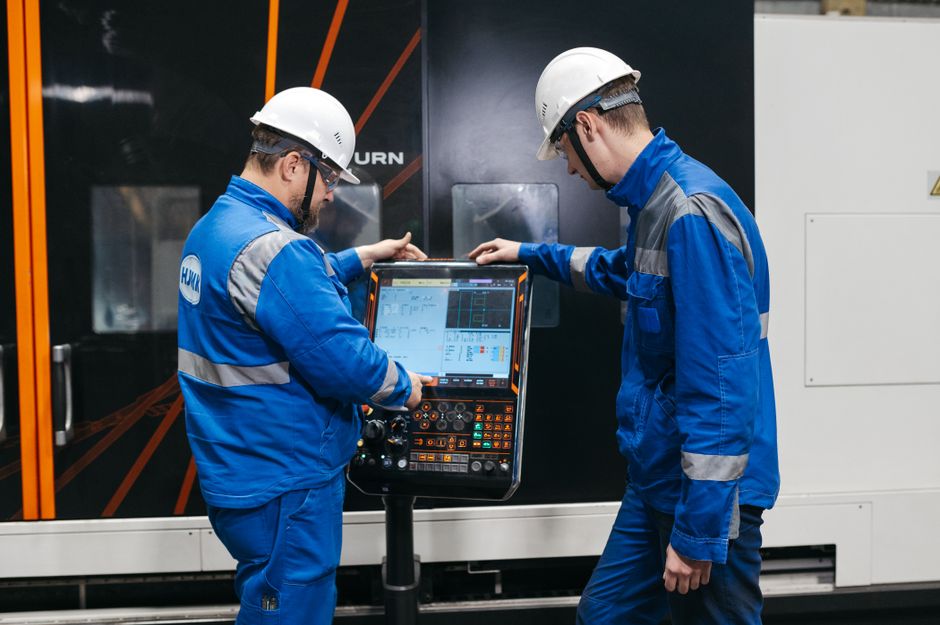
ERP software completely changes how you manage manufacturing operations. And that leads to big jumps in efficiency and productivity. How? By giving you one central platform for various critical functions. It ensures data flows smoothly and processes get automated.
One of the biggest ways ERP streamlines things is through advanced inventory management. It tracks raw materials, work-in-progress, and finished goods in real time. This stops stockouts and overstocking. So, you cut carrying costs and waste, which directly impacts your bottom line.
But there’s more. ERP systems also enable sophisticated production planning and scheduling. Manufacturers can accurately forecast demand, allocate resources, and schedule production runs to get the most output and minimize downtime. This means managing bills of materials (BOMs), routings, and capacity planning with incredible precision.
Quality control and compliance? Those get a big boost from integrated ERP solutions too. The system can track product batches, record quality inspections, and keep detailed audit trails. This makes sure you’re meeting industry standards and regulatory requirements – which is absolutely essential in sectors like aerospace, medical devices, or food production.
Improving Supply Chain Synchronization
ERP really acts as the central link in synchronizing your entire supply chain. That’s from getting your raw materials to delivering the final product. It shows you how suppliers are performing, what order statuses are, and where logistics stand. So, you can proactively manage any potential disruptions.
This big-picture view fosters better collaboration with suppliers and distributors. And that leads to stronger relationships and more reliable delivery times. Automated procurement processes, including creating purchase orders and matching invoices, further cut down on administrative hassle and errors. Ultimately, a well-synchronized supply chain directly makes operations smoother and saves you money.
What are the Core Benefits of ERP for Manufacturing Growth?
Putting an ERP system in place brings a ton of benefits crucial for any manufacturing company looking for sustained growth and market leadership. These advantages go way beyond just operational efficiency; they touch every aspect of the business, from its financial health to how it deals with customers.
Improved efficiency and significant cost reduction are immediate, tangible benefits. When you automate manual processes and optimize how you use resources, manufacturers can cut labor costs, minimize waste, and lower inventory holding costs. This operational agility translates directly into a healthier bottom line. It’s that simple.
Enhanced data visibility and more informed decision-making? That’s a huge advantage. ERP gathers data from across the whole enterprise, offering comprehensive reports and dashboards in real time. This lets managers spot trends, pinpoint inefficiencies, and make strategic decisions based on accurate, up-to-the-minute information.
Better customer satisfaction is another critical outcome. With improved production schedules, accurate order tracking, and efficient fulfillment, manufacturers can consistently hit their delivery promises. This reliability builds trust and fosters long-term customer relationships. And those are invaluable for getting recurring business.
Scalability and future-proofing are inherent in a robust ERP system. As your manufacturing business grows, its ERP can adapt to increased production volumes, new product lines, and expanding market reach. It gives you the foundational structure to absorb growth without sacrificing efficiency or control. That sets the company up for future innovation and expansion.

How Does ERP Facilitate Real-Time Data and Analytics in Production?
Modern manufacturing demands immediate access to operational data. You need it to stay competitive and responsive. ERP systems are built to collect, process, and present this data in real time. They turn raw information into actual, usable insights.
Through integrations with shop floor machinery and IoT devices, ERP platforms constantly monitor production lines. This means instant detection of bottlenecks, equipment malfunctions, or quality deviations. Operators and managers can step in immediately, stopping costly delays or rework.
The analytical side of ERP even extends to predictive maintenance. By looking at historical performance data and current sensor readings, the system can predict when machinery might need servicing. This proactive approach minimizes unexpected breakdowns, makes equipment last longer, and optimizes maintenance schedules.
And real-time data helps with dynamic supply chain optimization. If market demands shift or supplier issues pop up, an ERP system can instantly re-evaluate production plans and material needs. This agility means manufacturers can react quickly to changes, keep production going, and fulfill orders efficiently.
What Key Considerations Should Manufacturers Make When Implementing Enterprise Resource Planning Software?
Implementing enterprise resource planning software is a big strategic move. It needs careful planning and thought to succeed. Manufacturers really have to approach this meticulously to avoid common mistakes and get the most out of their investment.
Vendor selection is absolutely key. Manufacturers should thoroughly research and check out ERP providers. Think about their industry experience, the specific modules they offer, and what kind of support you’ll get after implementation. Picking a vendor who truly understands the unique complexities of manufacturing is vital for a tailored solution.
Deciding between a highly customized solution and an off-the-shelf package is another critical choice. Sure, customization can perfectly match the ERP to your existing workflows, but it often costs more and takes longer to implement. You’ve got to find a balance here—meet your specific needs without making the system overly complicated.
Training and change management are often underestimated, but they’re essential for successful adoption. Employees at all levels need proper training on the new system. They also need to understand how it benefits their daily tasks. Good communication and a clear rollout strategy help overcome resistance to change and make sure users feel confident.
Manufacturers also need to consider the total cost of ownership. This includes licensing, implementation, customization, training, and ongoing maintenance. A comprehensive budget helps you avoid unexpected expenses. Finally, define clear objectives and key performance indicators (KPIs) before you implement anything. That way, you can objectively measure the ERP’s impact and success.

How Does ERP Support Regulatory Compliance and Quality Assurance in 2026?
In 2026, regulatory compliance and strict quality assurance aren’t optional for manufacturing operations—they’re non-negotiable across pretty much all industries. ERP systems are indispensable tools for meeting these demands. They offer integrated functions that ensure you stick to standards and can trace everything.
ERP helps with comprehensive tracking and traceability. That’s a critical part of industries like pharmaceuticals, food and beverage, and automotive. Every raw material, component, and finished product can be tracked from its origin, through every production stage, to its final destination. This capability is vital for managing recalls efficiently and showing you’ve done your due diligence.
The system automatically creates and keeps detailed audit trails for all transactions and processes. This ensures transparency and accountability. So, navigating regulatory audits becomes much, much easier. Compliance reporting, which used to be a tedious manual job, gets largely automated by ERP. That means accurate and up-to-date documentation, always.
What’s more, ERP helps enforce standard operating procedures (SOPs) and quality protocols. It can build in workflows that demand specific quality checks at defined production stages, flagging any deviations. This proactive approach to quality management minimizes defects, cuts down on scrap, and upholds your brand reputation. All of that secures market trust in complex regulatory environments.
Frequently Asked Questions
What is the main purpose of ERP in manufacturing?
The main purpose of ERP in manufacturing is to integrate and centralize all operational data and processes, from production and inventory to sales and finance, to improve efficiency, reduce costs, and support scalable growth.
How long does ERP implementation typically take for a manufacturing company?
ERP implementation for a manufacturing company can vary widely, typically ranging from 6 months to 2 years, depending on the complexity of the organization, the degree of customization required, and the chosen ERP solution.
Can small manufacturing businesses benefit from ERP software?
Yes, small manufacturing businesses can significantly benefit from ERP software, especially with cloud-based solutions that offer scalability and lower upfront costs, allowing them to optimize operations and compete effectively.
What is the difference between ERP and MES?
ERP (Enterprise Resource Planning) manages overall business processes at an enterprise level, while MES (Manufacturing Execution System) focuses specifically on monitoring and controlling shop floor operations and production processes in real time.
How does ERP impact supply chain management in manufacturing?
ERP significantly impacts supply chain management by providing end-to-end visibility, optimizing inventory, streamlining procurement, and enhancing collaboration with suppliers and logistics partners, leading to a more efficient and responsive supply chain.
Is cloud-based ERP better for manufacturing in 2026?
For many manufacturing businesses in 2026, cloud-based ERP offers advantages like lower infrastructure costs, easier scalability, enhanced accessibility, and automatic updates, often making it a more flexible and cost-effective choice compared to on-premise solutions.