

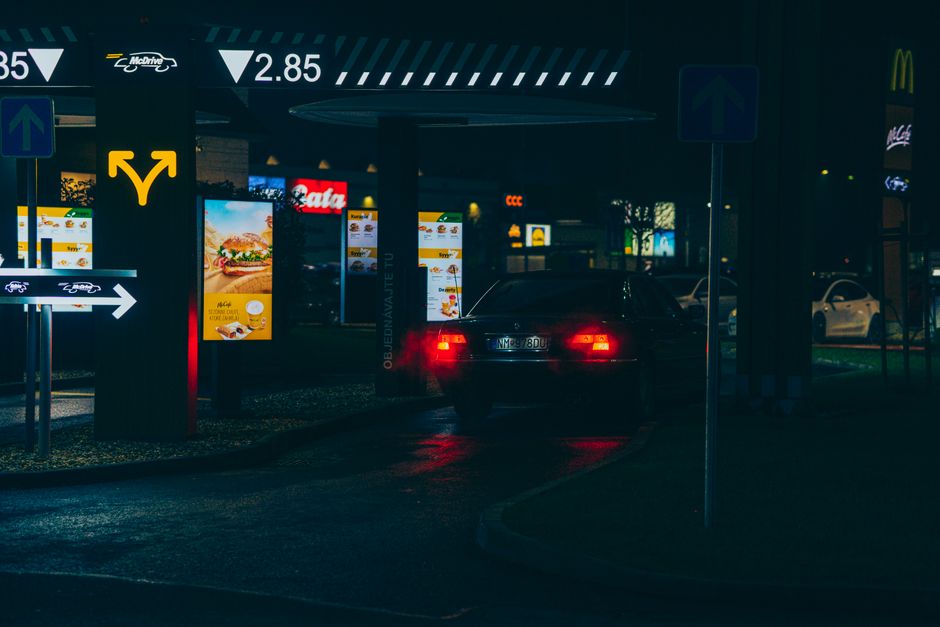
Quick answer: Quick-service restaurants really lean on QSR drive-thru automation. Why? Because it sharply boosts how well they operate, how fast they serve, and how accurate their orders are. That all adds up to happier customers and fatter profits. These clever systems fine-tune every part of the drive-thru, from when you order to when you get your food, keeping things running smoothly even when it’s crazy busy.
Key Takeaways
- Automated drive-thru POS timing systems are essential for modern QSRs to meet evolving customer expectations for speed and accuracy.
- Implementing QSR drive-thru automation significantly reduces wait times, boosting overall throughput and sales volume.
- These systems provide invaluable data insights, allowing QSRs to analyze performance, identify bottlenecks, and make data-driven operational improvements.
- By standardizing workflows and minimizing human error, automation ensures consistent order accuracy and a superior customer experience.
- Automation helps optimize labor allocation, allowing staff to focus on high-value tasks and improving overall team efficiency.
- Investment in advanced timing systems delivers a strong return on investment through increased revenue, reduced operational costs, and enhanced brand loyalty.
Things have changed a lot for quick-service restaurants lately. Technology’s behind most of it. Nowadays, it’s not enough to be fast; you’ve got to be precise and consistent, too. And that’s exactly why QSRs rely on automated drive-thru POS timing systems. They need them to stay ahead and keep customers happy.
Drive-thru lanes aren’t just an option anymore. For many QSRs, they’re the main money-maker. So, getting this part of the business right is make-or-break, especially when every second truly counts.
What is QSR Drive-Thru Automation and Why Does It Matter?
QSR drive-thru automation means using technology—especially point-of-sale (POS) systems with built-in timers—to smooth out and keep tabs on every single step of the drive-thru service. That covers everything from when a customer pulls up to the menu board until they grab their order at the window. And it matters a ton, because it directly affects how many customers a restaurant can serve, how fast, how accurately, and how profitably.
These systems often pack in sensors, cameras, and smart software. They track when a car arrives, how long it takes to place an order, how long the kitchen spends prepping, and when the food gets delivered. The whole idea is to create a slick operation that cuts down on holdups and pushes more cars through. Honestly, without systems like these, handling the massive volume and quick pace of drive-thru service would be nearly impossible.
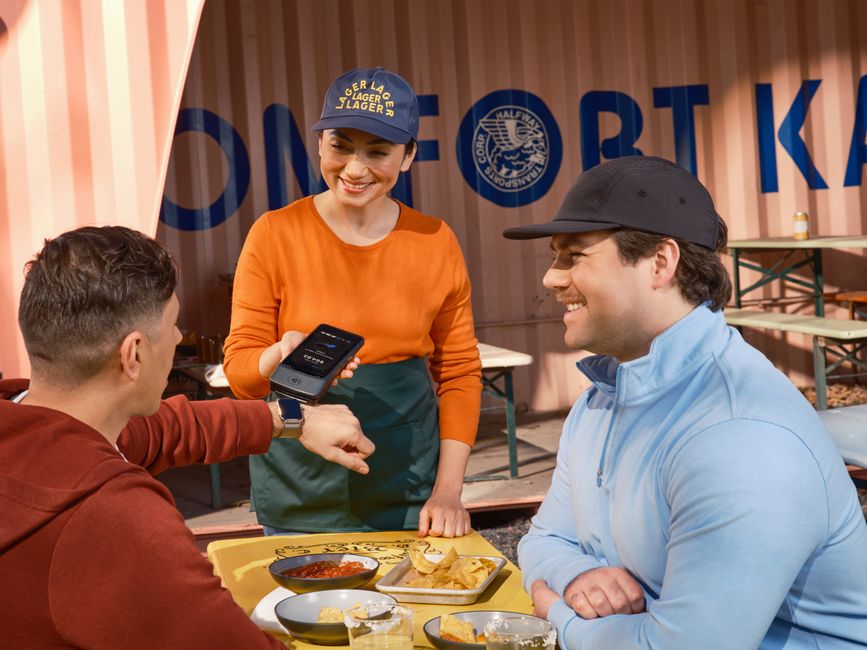
You see, drive-thrus handle a huge number of orders, particularly during rush hour. That kind of volume demands a level of coordination and data management that old-school manual methods just can’t touch. Automation makes sure every step of the process is working its best, giving managers instant feedback and clear info they can act on.
How Do Automated Timing Systems Boost Operational Efficiency?
Automated timing systems give you a real-time peek into absolutely everything happening in your drive-thru. Managers can instantly spot how long each car’s been in line, how fast orders are getting taken, and how much time it takes to prep and deliver food. This super-detailed data is crucial for figuring out where the slowdowns are.
Once they know exactly where delays happen, QSRs can zero in on fixes. Maybe it’s moving staff around, tweaking kitchen routines, or fine-tuning how orders get taken. This constant cycle of improvement really jacks up overall operational efficiency, cutting down on waste and making staff more productive.
For example, say the system consistently flags delays at the kitchen’s expediting station. Well, management can then train staff better or even add another expediter during busy times. The data just wipes out all the guesswork from those tough operational decisions.
How Does QSR Drive-Thru Automation Improve Speed of Service?
Speed is probably the biggest thing that makes or breaks a drive-thru. Customers hit up QSRs because they want convenience and quick service. And QSR drive-thru automation tackles this head-on, by carefully tracking and improving service times. These systems let restaurants set clear time goals for each part of the drive-thru process. Maybe that’s a 30-second order time, or a 90-second total transaction.
When those goals are met, or even beaten, the system notes it. But if they’re missed, alerts can pop up. This constant oversight helps create a sense of urgency and efficiency among the team. And some of the newer systems even use predictive analytics. They can guess when things will get busy and suggest staffing changes ahead of time, making sure you’ve got the right people in the right spots.
So, faster service means more cars served per hour. That’s a direct boost to revenue, without necessarily piling on more costs. This ability to handle more customers is a cornerstone for any quick-service business looking to grow in 2026 and beyond.
What Role Does Order Accuracy Play in Drive-Thru Success?
Speed’s important, but you can’t sacrifice accuracy for it. Get an order wrong, and you’ve got an unhappy customer, wasted food, and costly re-dos. And all that slows the whole line down. But automated POS systems really do step up order accuracy, thanks to a few clever features.
For starters, digital order entry cuts down on miscommunications that happen with spoken orders. Plus, those visual confirmation screens let customers double-check their choices before they even pay. And then there are integrated kitchen display systems (KDS). They get orders straight from the POS, so no more handwritten tickets or the mistakes that come with them.
Kitchen staff see exactly what to make, with any modifications or special requests clearly spelled out. This end-to-end digital flow helps minimize human error, meaning customers get precisely what they asked for. And high order accuracy? That builds trust and brings people back, really strengthening customer loyalty.

Leveraging Data Analytics for Strategic Growth with Automated Systems
One of the best things about modern automated drive-thru POS timing systems is how much operational data they can collect and crunch. This isn’t just basic transaction info. We’re talking insights into busy times, average wait times, how individual staff members are doing, which products are hot, and even if those promotions are actually working.
By digging into all this rich data, QSR managers can spot trends, predict demand, and make smart, data-backed decisions to refine operations. Say, for instance, you learn that Tuesdays between noon and 1 PM always have the longest waits. Well, now you can proactively schedule extra staff or even open a second drive-thru lane specifically during that time.
These insights also help with your menu. The data can tell you which items sell most often at certain times or what people tend to order together. That’s super helpful when deciding on bundled deals or if you should simplify the menu. Ultimately, using data from QSR drive-thru automation strategically is what sets the leading brands apart.
How Do Automated Systems Enhance Customer Experience and Loyalty?
In today’s competitive market, a good customer experience isn’t just nice to have; it’s essential. People expect speed, accuracy, and a smooth interaction. And automated drive-thru POS timing systems deliver on all fronts, directly making the customer experience better. Shorter waits mean less frustration, and accurate orders mean happy customers who feel valued.
And some of the more advanced systems even link up with loyalty programs. They’ll recognize repeat customers and personalize their experience. That could mean suggesting a favorite past order or automatically applying loyalty discounts. A consistently great experience builds loyalty, turning first-time visitors into regulars. It’s that simple.
When customers know they can count on a QSR for fast, accurate service, they’re much more likely to pick that restaurant over the competition. That loyalty is a huge benefit, leading to steady income and good old word-of-mouth marketing, which is priceless in a digital world like 2026.
Optimizing Labor and Reducing Costs with Automated Drive-Thru Systems
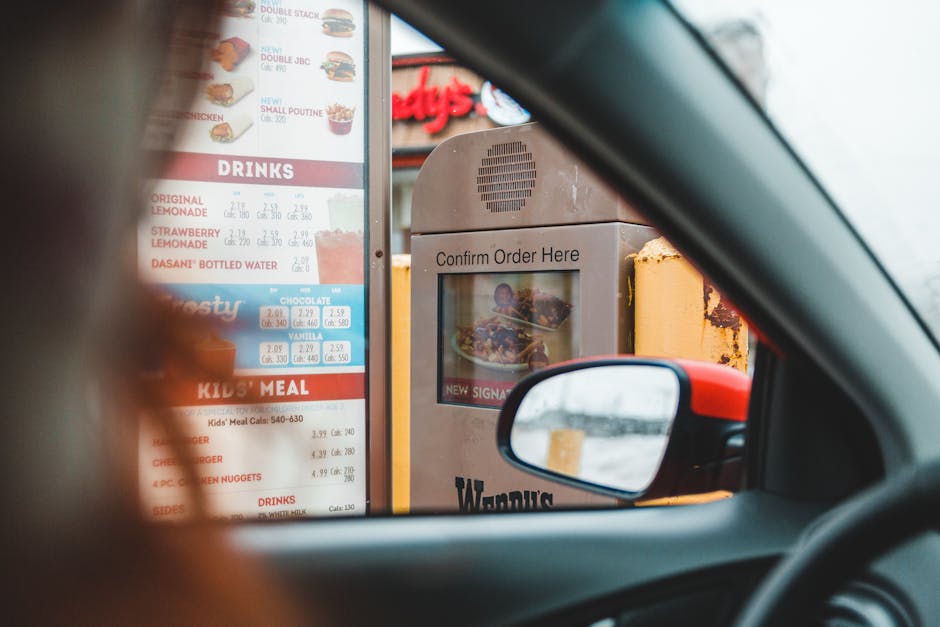
Labor is easily one of the biggest costs for any quick-service restaurant. Automated drive-thru systems really help optimize labor by making tasks easier and boosting overall productivity. Now, while automation might reduce the need for some manual jobs, its main role is to empower your current staff. They can work more efficiently and spend their time on valuable customer interactions, not just repetitive data entry.
Take automated order taking and kitchen display systems, for example. They free up drive-thru window staff to focus on payments and delivering orders, which speeds things up and improves accuracy at that final, crucial moment. Managers can also use the data from these timing systems to schedule staff better. That means enough people during busy times, but not too many during slower periods. And that saves on unnecessary labor costs.
Fewer order errors also mean less food wasted and fewer times you’ve got to remake orders. That directly impacts your food costs. So, in the long run, investing in QSR drive-thru automation means substantial cost savings and a team that gets more done.
What is the Impact on Staff Training and Development?
Automated systems often simplify how things get done. That makes training new employees much easier and faster. With clear digital instructions and less need to memorize complex manual steps, new hires can become productive team members quicker. And that means less of a training burden and lower costs associated with it.
But there’s more to it. By handling routine tasks, automation lets employees develop better customer service skills, problem-solving abilities, and even leadership qualities. This shift can lead to happier staff and less turnover, which is a constant headache in the QSR business. So, investing in technology that helps your staff work smarter ultimately helps them grow.
Future-Proofing Your QSR with Advanced Automation
The quick-service restaurant world is always changing. To stay on top, you’ve got to keep innovating and adapting. So, investing in advanced QSR drive-thru automation isn’t just about dealing with today’s problems; it’s about setting your business up for the future. These systems are built to grow with you and easily connect with new technologies.
Just think about what’s coming: AI-powered voice ordering, vehicle recognition, or even inventory management linked to drive-thru demand predictions. Modern timing systems are the bedrock for all those future advancements. QSRs that jump on this technology now will be in a much better spot to adopt new solutions as they emerge, keeping their competitive edge sharp in 2026 and beyond.
Being able to quickly adjust to what customers want and to new tech is a hallmark of truly strong businesses. And automated drive-thru solutions give you the flexibility you need to react effectively to market shifts, making sure you’re successful and profitable for years to come.
Frequently Asked Questions
What specific metrics do automated drive-thru timing systems track?
These systems usually track things like how long a car stays at the speaker, the time it takes to enter an order, kitchen prep time, how long service takes at the window, and the total time from when a car arrives until it leaves. Some even track how often orders are perfectly accurate.
Can QSR drive-thru automation integrate with existing POS systems?
Most modern automated drive-thru timing systems are designed to hook up smoothly with all sorts of existing point-of-sale (POS) platforms. That means QSRs can keep using their current setup while also upgrading their drive-thru capabilities.
How quickly can a QSR expect to see an ROI from investing in drive-thru automation?
While the exact return on investment varies, many QSRs report seeing big improvements in how many cars they serve and how efficiently they run. That leads to more sales and lower costs, often within 6 to 12 months of putting robust drive-thru automation solutions in place.
Do automated timing systems help with food safety compliance?
Yes, they do. By speeding up how quickly food is made and reducing how long prepared food sits around, automated systems indirectly help with better food safety practices. Some super advanced systems can even connect with temperature monitoring for certain food items.