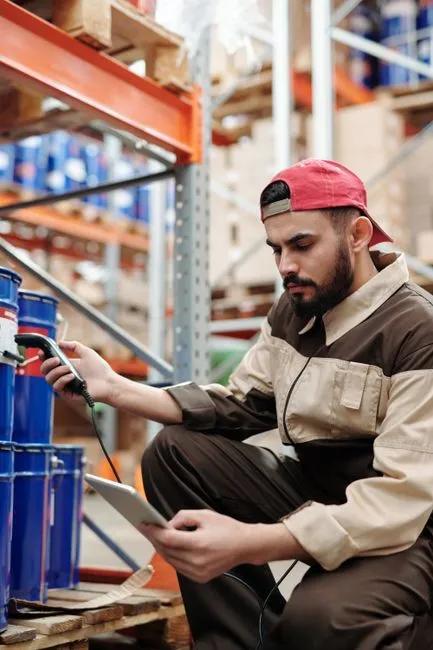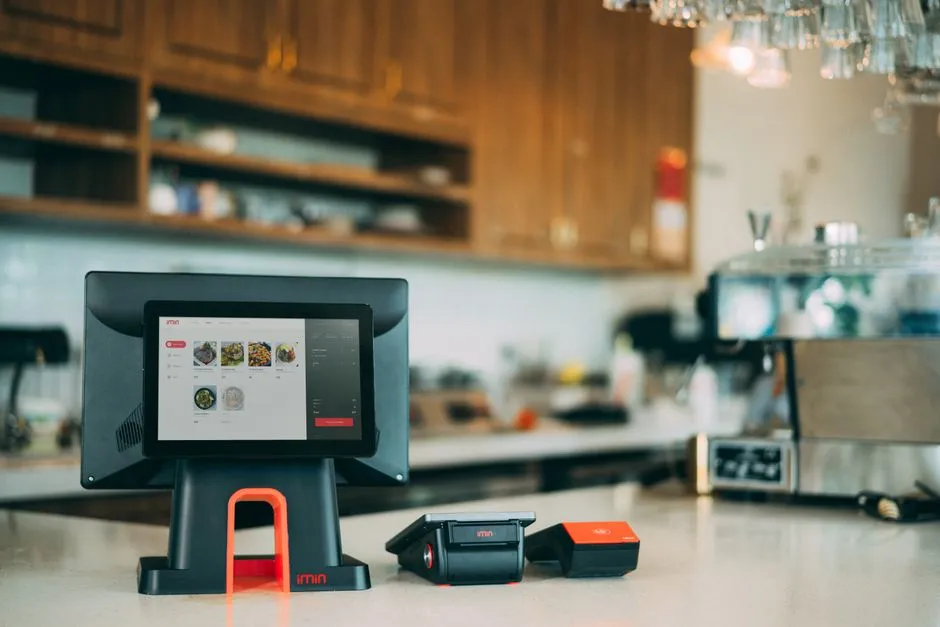
Quick answer: Pairing kitchen display systems (KDS) with table management point-of-sale (POS) isn’t just a good idea; it’s how you build a restaurant that hums. This setup creates a smooth, efficient workflow that seriously cuts down on order mistakes, speeds up service, and makes the best use of your staff and ingredients. It’s a technology handshake that means every order gets to the kitchen accurately and gets managed well, making customers happy and boosting your profits for 2026 and beyond.
Key Takeaways
- Integrated KDS and POS systems streamline restaurant operations, from taking an order to serving the food.
- Real-time communication between the dining room and kitchen drastically reduces errors and wait times.
- Better data from these unified systems means you can manage inventory smarter and schedule staff more effectively.
- Customers get a better experience, thanks to faster, more accurate service and even personalized interactions.
- That initial investment in integrating kitchen systems pays off big-time over the long haul, through better efficiency and more money in your pocket.
- But you can’t just plug it in. Successful implementation needs careful planning, solid staff training, and ongoing tech support.
What’s the Operational Value of Integrating Kitchen Systems?
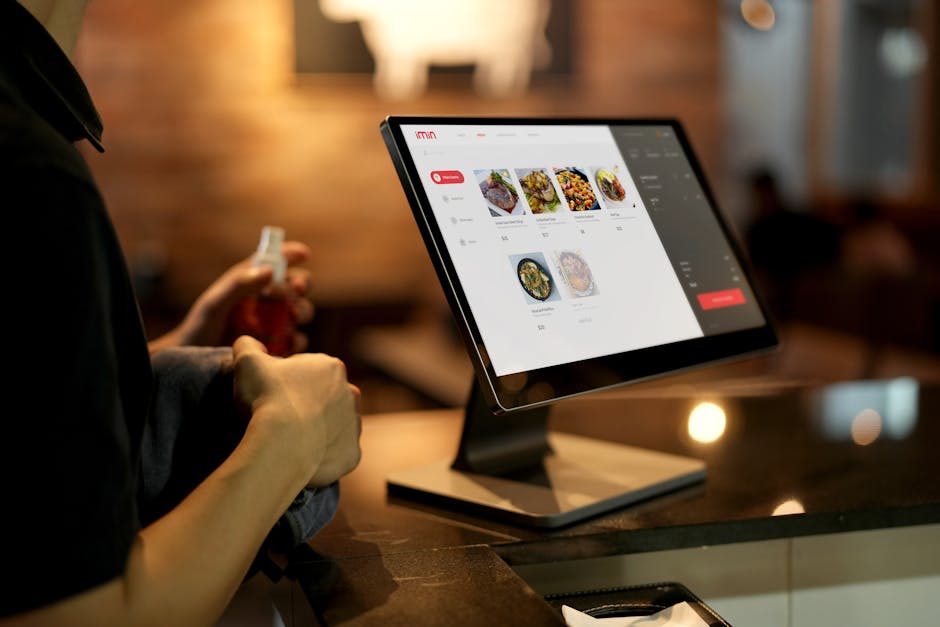
The real operational value you get from integrating kitchen systems—specifically, your Kitchen Display Systems (KDS) with your Point-of-Sale (POS) and table management—is a game-changer for restaurant efficiency and service quality. This isn’t just about linking two pieces of software. It’s about building an ecosystem where everything, from the moment a customer orders to when their meal hits the table, works together perfectly. A KDS takes those paper order tickets and puts them on screens in the kitchen, while your POS handles transactions and gets the orders in. Link that up with table management, and suddenly, your whole operation runs like clockwork.
Think about it: this integrated setup just eliminates all those frustrating snags you get with old-school, paper-based systems. You punch an order into the POS, and it zips straight to the right kitchen station. No more miscommunications. No more delays. And that instant flow of information? It’s absolutely vital if you want to keep service standards high in today’s super competitive restaurant world.
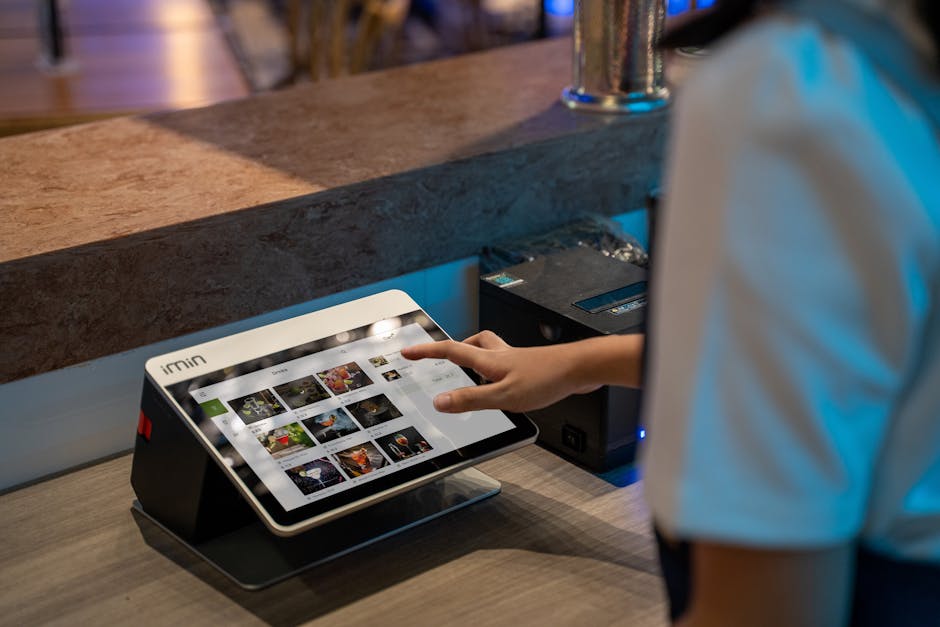
So, what exactly are we talking about? A KDS is that digital screen system showing orders to your kitchen crew, ditching the paper. A POS system? That’s your restaurant’s main brain for sales, order processing, and tracking everything sold. And table management, usually part of your POS, lets your staff see which tables are open or busy, how many guests are seated, and exactly where everyone is.
The biggest perk of integrating kitchen systems? It brings your front-of-house (FOH) and back-of-house (BOH) operations into perfect sync. This alignment cuts down on manual work, slashes human error, and gives you a clear, actionable picture of your entire restaurant’s status. Honestly, if you’re a restaurant owner aiming for top performance, you’ve got to understand and leverage this operational value.

How Does Integrating Kitchen Systems Improve Efficiency?
Integrating kitchen systems dramatically boosts restaurant efficiency because it creates one central control point for handling orders and getting food out. We’re talking fewer steps for your staff, orders that transmit immediately, and a constant, clear view of your kitchen’s capacity and every order’s status. The upshot? A much smoother workflow, which directly translates into faster service and getting more tables turned over.
Smooth communication is key here. When a server punches in an order at the POS, it pops up instantly on the KDS screens. It’s even sorted by station—grill, sauté, prep, whatever you need. This immediate digital hand-off means no more handwritten tickets that could be misread or lost. Kitchen staff get clear, easy-to-read instructions, so they spend less time trying to figure out what’s what.
And then there are fewer errors, which is a huge plus. With direct digital transmission, there’s just no room for misunderstandings, whether it’s bad handwriting or someone mishearing something. Special requests and modifications? They’re spelled out clearly on the KDS, making sure the kitchen makes every dish exactly right. That accuracy saves you money on wasted food and keeps those re-dos to a minimum.
So, what does all this efficiency lead to? Faster table turnover. When orders fly through the system quickly and accurately, food gets to guests sooner. That means tables open up quicker, which is gold during your busiest hours. You can serve more customers and rake in more revenue without ever sacrificing the quality of your service.
Real-time order management is central to all this improved efficiency. Both your FOH and BOH teams can see the status of every single order—is it cooking? Is it ready for pickup? Has it gone out? This transparency helps your FOH staff know exactly when dishes will be ready, cutting down on guest wait times and making service coordination a breeze. Kitchen managers can even keep an eye on cook times and spot bottlenecks, letting them tweak the workflow on the fly.
Why is Communication Key in Restaurant Operations?
Look, communication is absolutely vital in a restaurant. It sets the pace, determines how accurate everything is, and basically defines how well your different teams work together. When the front-of-house (FOH) and back-of-house (BOH) talk clearly and instantly, guest orders get understood, prepared, and delivered on time. Period. Without that effective communication, errors pile up, wait times stretch, and guest satisfaction tanks. That directly hits your restaurant’s reputation and, more importantly, your bottom line.
Maximizing the Operational Value of Integrating Kitchen Systems: Key Benefits
Maximizing the operational value you get from integrating kitchen systems goes way beyond just making things efficient. It touches on critical stuff like how customers experience your restaurant, how you use your resources, and how you make big decisions. Taking a full, integrated approach really taps into these deeper, more impactful benefits for any restaurant. This kind of synergy gives you a real leg up in a constantly shifting market.
A huge win here is an enhanced customer experience. People love fast, accurate service, and an integrated system delivers exactly that. Orders move quickly, special requests are spot-on, and wait times shrink. That means happier customers, great reviews, and stronger loyalty, which are all priceless for steady growth.
You’ll also find optimized resource allocation becomes possible, all thanks to real-time data. Managers can dig into order patterns, peak hours, and prep times. This helps them schedule staff way better, cutting labor costs and boosting productivity. Inventory management gets a boost, too; accurate sales data from the POS can guide your purchasing decisions, meaning less waste and just the right amount of stock for kitchen operations.
And let’s not forget data-driven decision making. This is a powerful benefit you get from unified systems. Integration gives you a treasure trove of consolidated data: sales figures, popular dishes, prep times, customer likes and dislikes. With this info, owners and managers can spot trends, pinpoint where things could improve, and make smart strategic choices to pump up profitability and operational effectiveness. Knowing what sells best and how long it takes to make helps you fine-tune your menu and target your marketing.
How Does Integration Boost Customer Satisfaction?
Integration definitely boosts customer satisfaction because it means consistently good, fast service. When your kitchen systems and POS talk to each other seamlessly, orders rarely go wrong, wait times get much shorter, and your staff can actually spend more time interacting with guests instead of fixing mistakes. That reliability builds a positive dining experience, which in turn builds loyalty and keeps people coming back.
What Role Does Data Play in Restaurant Management?
Data isn’t just useful in modern restaurant management; it’s indispensable. It gives you actionable insights into every single part of your business. From analyzing sales and controlling inventory to tracking staff performance and nailing down peak hours, solid data lets managers make informed choices. These choices optimize operations, cut costs, boost profits, and just make the guest experience better overall. Without good data, you’re usually just guessing, not really knowing what works.
What Challenges Might Arise During KDS-POS Integration?
Sure, the benefits are big, but restaurants need to be ready for potential challenges when integrating kitchen systems like KDS and POS. Being proactive about these can head off major disruptions and make sure your new tech actually sticks. Smart planning and choosing the right vendors are absolutely key to getting over these hurdles.
First off, initial setup costs can be a real sticking point for some places. You’re investing in new KDS screens, compatible POS hardware, and software licenses, which means a noticeable chunk of money upfront. Restaurants need to budget carefully and understand the long-term return on investment (ROI) to really justify these expenses.
Staff training is another huge piece of the puzzle. Everyone, both FOH and BOH, has to get good at using the new integrated system. That means dedicated training sessions, clear guides, and ongoing support. If people resist the change or don’t get proper training, you’ll see efficiency drop and frustration build among the team.
Sometimes you run into technical compatibility issues, especially if you’re trying to mix and match systems from different companies. You absolutely need to make sure your KDS and POS software and hardware are fully compatible and can actually communicate. Often, it’s just easier to go with integrated solutions from one provider or ones known for their smooth integration capabilities.
And don’t forget data security. With more information flying through connected systems, keeping sensitive customer and operational data safe becomes super important. Restaurants have to put strong cybersecurity measures in place and make sure their chosen systems follow all data protection rules to guard against any breaches.
Future Trends in Integrated Restaurant Technology
Integrated restaurant technology is always changing, and some seriously exciting innovations are coming that will really bump up the operational value of integrating kitchen systems even further. Restaurants that jump on these future trends are going to be in a much better spot to meet changing customer demands and keep their competitive edge through 2030 and beyond. Staying ahead of these tech shifts is crucial for lasting success.
AI and predictive analytics are about to completely transform back-of-house operations. Imagine AI-powered systems that look at past sales, weather forecasts, and even local events to predict demand way more accurately. That means optimizing inventory, barely wasting anything, and streamlining staff scheduling. This predictive power moves you past just reacting and into smart, proactive strategy.
Voice ordering technology will probably become a lot more common. Think guests placing orders hands-free or through smart devices, with those orders going straight to your POS and KDS. This innovation makes things super convenient for customers and frees up your staff to focus on other parts of service, making things even more efficient.
We’ll see personalized guest experiences driven by even deeper data integration. Unified systems will track individual customer preferences, dietary restrictions, and order history. This means restaurants can offer tailored recommendations and truly personalized service. And that level of customization really builds stronger customer loyalty.
Cloud-based solutions will just keep dominating, offering scalability, easy access, and reliable data backup. Cloud-native KDS and POS systems mean easier updates, less need for on-site IT gear, and the ability for restaurant owners to check on operations remotely from any device. This flexibility is invaluable, especially for restaurants with multiple locations.
Practical Steps for Successful KDS-POS Integration
To really nail KDS-POS integration, you need a clear plan and meticulous preparation. By following some practical steps, restaurants can minimize headaches and get the most out of their new integrated kitchen systems. A well-done integration means a smooth transition and quick operational improvements.
First up, you need a thorough assessment and planning phase. Clearly define what your restaurant actually needs, where your pain points are, and what you hope to achieve with this integration. Take a hard look at your current workflows and figure out where technology can make the biggest difference. This initial dive forms the bedrock of a successful project.
Next, pick your vendors very carefully. Research KDS and POS providers that offer strong integration capabilities, or maybe even a single, all-in-one solution. Look for systems with solid track records, awesome customer support, and the ability to grow with you. Make sure you ask for demos and, if you can, talk to other restaurant owners who’ve used their systems.
Then, go with a phased approach instead of trying to overhaul everything at once. Maybe start with a pilot program in a quieter area or during off-peak hours. That way, you can spot and fix any issues without major disruption. Slowly roll out the integration across all operations, giving your staff time to adjust and providing chances for feedback and fine-tuning.
Finally, make sure you have ongoing support and maintenance locked down. Technology always needs regular updates and sometimes a bit of troubleshooting. Partner with vendors who offer reliable technical support and provide refresher training. And don’t forget to regularly check how the system is performing and look for ways to keep optimizing it. That’s how you keep building operational value over time.

Frequently Asked Questions
What is a Kitchen Display System (KDS)?
A Kitchen Display System (KDS) is a digital screen setup used in commercial kitchens to show food orders. It essentially replaces those old paper tickets. It smooths out communication between the dining room and the kitchen, helping you manage order flow and cook times better.
How does KDS integration with POS benefit a restaurant’s bottom line?
KDS integration with your POS boosts your restaurant’s bottom line in a few key ways. It cuts down on order errors, minimizes food waste, speeds up table turnover, and optimizes labor costs because everything runs more efficiently. All these things together mean more revenue and better profit margins for you.
Is KDS-POS integration only for large restaurants?
Nope, absolutely not. KDS-POS integration offers serious operational value to restaurants of all shapes and sizes, whether you’re a small cafe or a big fine dining spot. The perks—like better efficiency, fewer errors, and happier customers—are universal, making it a smart investment for pretty much any operation.
What should a restaurant consider before integrating KDS and POS?
Before jumping into integrating KDS and POS, a restaurant should think about its specific operational needs, how much it can budget for initial setup and ongoing costs, the compatibility and support from vendors, and whether it’s truly committed to staff training. Really understanding these points will make for a much smoother implementation.
How long does it take to implement KDS-POS integration?
The time it takes to get KDS-POS integration up and running can vary a lot. It depends on how big and complex your restaurant is, and which system you pick. Generally, you’re looking at anywhere from a few weeks to several months. That timeframe includes everything from planning and installation to moving your data over and getting your staff fully trained.