

Quick answer: How modern restaurant pos software streamlines operations involves an advanced system that precisely routes order modifiers—like “no onions” or “extra sauce”—directly to the specific kitchen stations responsible for those items, such as the grill or pantry. This targeted routing dramatically improves order accuracy and kitchen efficiency, ensuring every custom request is handled correctly and promptly. By digitizing and automating this critical communication, modern POS systems eliminate miscommunications and significantly speed up food preparation.
Key Takeaways
- Modern restaurant POS software precisely routes custom order modifiers to relevant prep stations.
- This intelligent routing significantly reduces kitchen errors and improves order accuracy.
- Dedicated kitchen display systems (KDS) at each station receive only the relevant modifier information.
- Automated routing enhances communication, speeds up preparation times, and optimizes kitchen workflow.
- Restaurants can achieve substantial efficiency gains and higher customer satisfaction by leveraging these capabilities.
So, you’re running a restaurant in 2026. You know how competitive things can get, right? That’s why understanding how modern restaurant pos software can genuinely change how you operate is super important. What truly stands out is how these smart systems route specific order modifications right to the exact prep stations. That’s a huge win for efficiency and keeping your customers happy.
Honestly, we can all forget those days of messy, handwritten tickets causing chaos and mistakes in a busy kitchen. Today’s POS solutions make sure every “no pickles” or “extra cheese” request lands in the right hands, fast, and with zero mix-ups. It’s a game-changer.
How Modern Restaurant POS Software Revolutionizes Order Routing?
How modern restaurant pos software completely reshapes the journey of food orders and their special requests from your front-of-house to the kitchen is pretty amazing. Forget sending one big ticket to a general expediter. Now, intelligent routing makes sure every tiny detail gets to the precise workstation that needs it.
This whole thing kicks off the second a server punches an order into the POS terminal. Every item and its modifications get an electronic tag. Then, the system figures out which kitchen station handles that particular part of the dish.
Let’s say a customer orders a burger: “well-done” and “no onions.” The instruction for a well-done patty goes straight to the grill station. But the “no onions” note? That’s flagged for the assembly station. See how that works? Each station gets just the info it needs, cutting down on noise and letting your cooks focus purely on their assigned tasks.
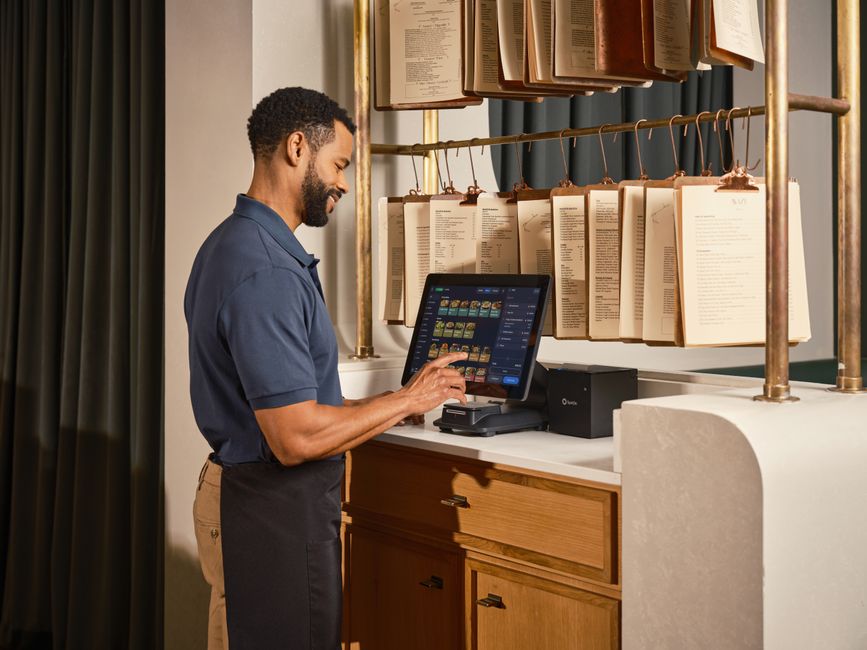
It’s all thanks to routing rules, which you set up yourself in the restaurant management system. These rules tell the system exactly where each menu item and its modifiers should pop up on the different Kitchen Display Systems (KDS) scattered throughout your kitchen.
This automated, digital conversation means nobody’s yelling across a loud kitchen. And it really slashes the human errors that always crop up with manual systems. What you get is a smooth workflow that drastically cuts down on how long orders take to prep, and it guarantees accuracy.
What are the Core Components of a Smart POS System?
A smart POS system isn’t just a fancy cash register; it’s the nerve center of your operations. It’s built around intuitive order entry terminals, robust kitchen display systems (KDS), and a bunch of integrated peripherals.
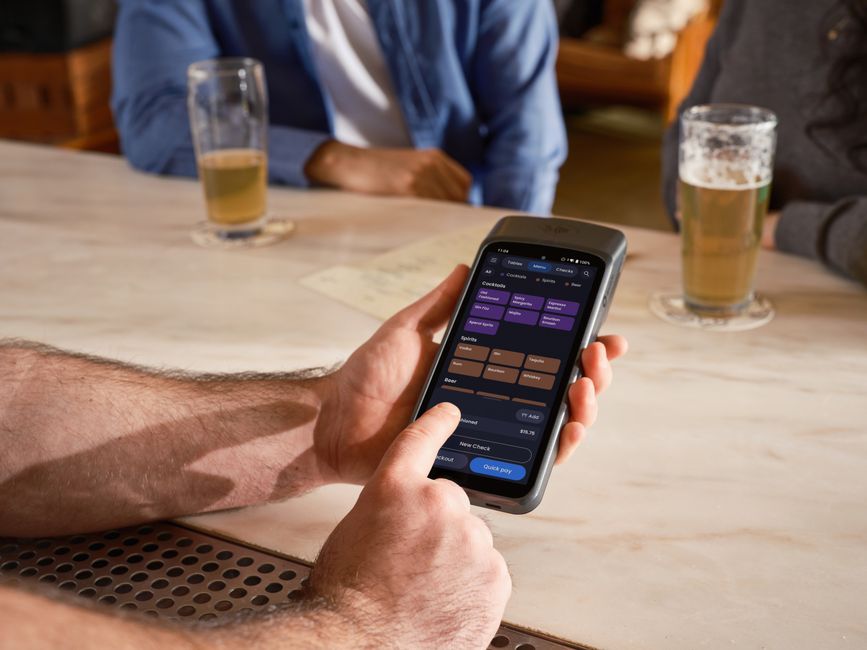
Think of those sleek touchscreens or handheld devices your staff uses. Those are the order entry terminals, and they let folks input orders—even complex ones with lots of modifiers—super quickly and accurately. And the KDS? Those are the big screens you see in kitchens, totally replacing paper tickets. They dynamically show orders relevant to each station.
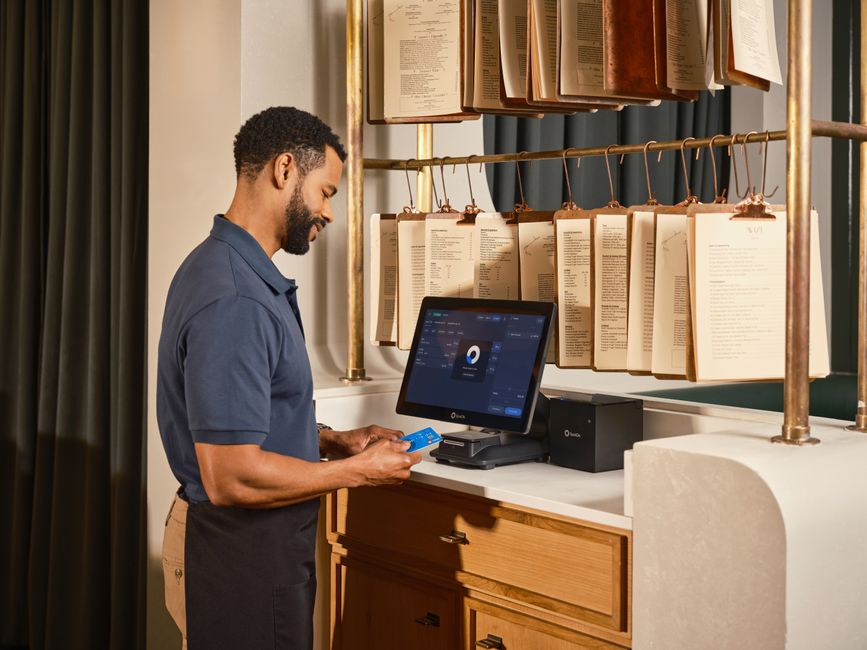
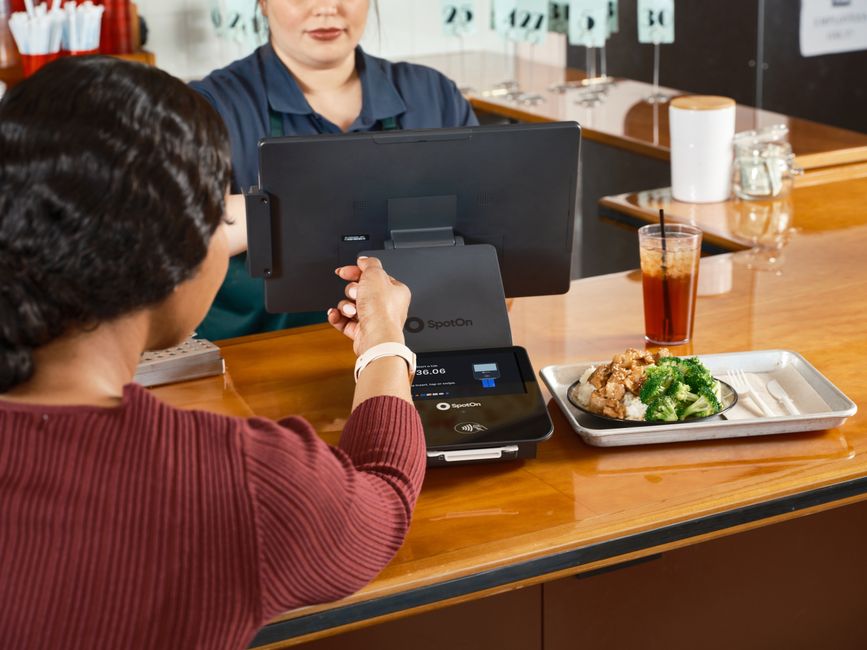
Then you’ve got the integrated peripherals: receipt printers, credit card processors, barcode scanners, and all that. They complete the picture. Together, these components ensure every part of an order, from taking it to making it to paying for it, gets handled like clockwork.
Optimizing Kitchen Workflow with How Modern Restaurant POS Software?
Want to make your kitchen run smoother? That’s one of the biggest wins you get by really understanding how modern restaurant pos software handles order modifiers. By routing those specific requests directly, kitchens can hit new levels of organization and speed.
This direct routing means your pastry chef won’t see grill-related modifications. Your fry cook isn’t stuck sifting through info about salad dressings. Nope. Every single station gets a filtered, precise list of tasks.
The benefits are immediate: fewer errors because no one’s misreading tickets or forgetting modifications. Faster prep times, since cooks can jump on their part of an order sooner. And just better communication all around for your kitchen team. What’s not to love about a more harmonious and productive environment?
How Does Modifier Routing Enhance Customer Satisfaction?
Modifier routing is huge for making customers happy. It guarantees order accuracy and speed. When someone gets their specific dietary requests or preferences met perfectly, their whole dining experience just goes up a notch.
Customers truly appreciate getting their customized orders exactly right. That builds trust, and it makes them want to come back. And speedy service, a direct result of that optimized kitchen workflow, also makes them feel good about your restaurant.
When you handle modifiers accurately, you cut down on re-dos, which means less wasted food. Plus, it boosts your restaurant’s reputation for quality and attention to detail. It’s a positive cycle that leads to loyal customers.
Beyond the Basics: Advanced Features of Modern POS for Restaurants
But it’s not just about routing modifiers. Modern restaurant pos software packs a punch with a whole suite of advanced features that help your business thrive. We’re talking inventory management, robust reporting, online integration, and even customer loyalty programs.
Sophisticated inventory tracking, for instance, lets restaurants keep an eye on stock levels in real time. It can even reorder popular ingredients automatically, and that really helps cut down on waste. This kind of control is absolutely critical for managing food costs.
Then there are the comprehensive reporting tools. They give you solid insights into things like sales trends, your busiest hours, which menu items are hits, and how your staff performs. These data-driven insights let management make smart decisions that drive growth and efficiency.
And seamless integration with online ordering platforms and third-party delivery services? That instantly broadens your restaurant’s reach and brings in more money. Customers expect convenience these days, and modern POS systems deliver by pulling all those order channels into one place.
Finally, loyalty programs built right into the POS let you reward your regulars, gather valuable customer data, and run targeted marketing campaigns. These features help you build a strong connection with your customer base.
What Security Considerations are Paramount for Restaurant POS Systems?
Security is a massive deal for any restaurant POS system in 2026. We’re seeing more and more digital transactions and sensitive customer data, so protecting against breaches is crucial for keeping customer trust and staying compliant.
Key security stuff includes strong data encryption for all transactions and customer info. That means it’s unreadable to anyone who shouldn’t see it. And adhering to Payment Card Industry (PCI) compliance standards? That’s not optional when you’re handling credit card data.
What’s more, role-based access control ensures your staff only see the functions and data they need for their specific jobs. That minimizes internal risks. You’ll also want regular software updates and robust network security protocols to guard against all those evolving cyber threats.
Implementing a New POS System: Best Practices for 2026?
Implementing a new POS system, especially one that really taps into the full power of how modern restaurant pos software handles modifier routing, needs careful planning. If you follow best practices, you’ll have a smooth transition and get the most bang for your buck.
Thorough staff training is non-negotiable. Every single team member—from servers to kitchen staff—has to be comfortable with how the new system works. Hands-on practice and clear instructions will build their confidence and competence.
Consider a phased rollout. Maybe start with a small pilot program or introduce it during a slower period. That helps you spot and fix issues before a full launch, minimizes disruptions to your daily operations, and lets you fine-tune everything.
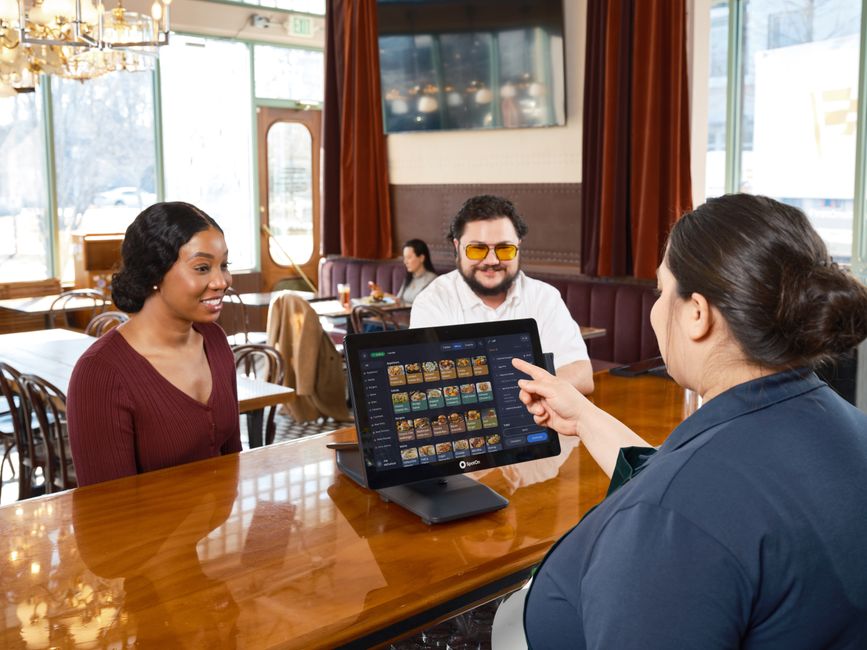
Picking a vendor with stellar customer support and comprehensive ongoing training is also super important. A reliable support system means any technical glitches can get sorted out quickly, preventing frustrating downtime.
And once it’s up and running, don’t forget regular system audits and performance reviews. This ensures the system keeps meeting your operational needs and that all its features, like modifier routing, are being used to their absolute fullest.
How Can Restaurants Measure the ROI of a Modern POS System?
Measuring the Return on Investment (ROI) for a modern POS system is essential. It justifies the initial cost and shows you its ongoing value. Restaurants can track several key metrics to see if it’s a success.
Look for clear, quantifiable improvements in efficiency. Think fewer order errors (which means less food waste!), faster table turns, and shorter order prep times. These things directly impact your bottom line.
You’ll also see cost savings from better inventory management, lower labor costs thanks to streamlined workflows, and fewer manual mistakes. Plus, if you see an increase in average check size or more engagement with your customer loyalty program, that’s a good sign of higher revenue.
Ultimately, the ROI of a modern POS system boils down to its ability to increase revenue, cut costs, and make both customers and staff happier. That all leads to sustained profitability and growth.
Frequently Asked Questions
What is modifier routing in a POS system?
Modifier routing is the automatic process by which a modern restaurant POS system sends specific customer requests, such as “no pickles” or “extra cheese,” directly to the relevant kitchen preparation station, ensuring accuracy and efficiency.
How does modern restaurant pos software improve kitchen efficiency?
How modern restaurant pos software improves kitchen efficiency by eliminating manual ticket errors, reducing communication delays, and providing each prep station with only the exact information needed for its specific tasks, speeding up order fulfillment.
Can modern POS systems integrate with online ordering?
Yes, modern POS systems are designed to seamlessly integrate with various online ordering platforms and third-party delivery services, consolidating all orders into a single system for streamlined management and preparation.
What is a Kitchen Display System (KDS)?
A Kitchen Display System (KDS) is a digital screen that replaces traditional paper tickets in the kitchen, displaying incoming orders and their modifiers to specific prep stations, enhancing organization, speed, and accuracy.
How secure is customer data with modern POS software?
Modern POS software prioritizes security through data encryption, PCI compliance, and role-based access controls to protect sensitive customer payment information and personal data, minimizing the risk of breaches.
Is training difficult for new POS systems?
While any new system requires adjustment, modern POS systems are generally designed with user-friendly interfaces. Comprehensive training provided by vendors, coupled with internal practice, makes the learning curve manageable for staff.