Quick answer: Mobile point of sale systems fundamentally resolve peak-hour line congestion in boutiques by enabling staff to process transactions from anywhere on the sales floor, thereby increasing checkout efficiency and reducing customer wait times significantly. These portable solutions empower a more agile and personalized shopping experience, directly addressing the bottlenecks of traditional fixed checkout counters.
Key Takeaways
- Mobile point of sale (mPOS) lets you process transactions anywhere, so no more static checkout lines.
- Boutiques will see happier customers and fewer abandoned carts because service is quicker.
- Staff get more productive; they can help shoppers and finish sales at the same time.
- You’ll get real-time inventory on mobile devices. That prevents stock-outs and keeps sales accurate.
- Modern mPOS works great with contactless payments, fitting right into what customers want today.
- Put an mPOS in place, and your boutique is ready for future retail trends and solid growth past 2026.
For boutique owners, seeing a long line during busy shopping hours is a strange mix: a sign you’re doing well, but also a huge operational headache. Those queues hit customer satisfaction hard, and they cost you sales. This is exactly where a mobile point of sale (mPOS) system comes in. It’s an essential tool that completely changes how you handle transactions, drastically cutting down on wait times.
Why Does Peak-Hour Congestion Mess Things Up for Boutiques?
Peak-hour congestion in boutiques isn’t just annoying; it’s a real roadblock to making customers happy and growing your business. Fixed, old-school point-of-sale systems just can’t keep up when lots of people show up all at once. That leads to frustrating delays.
How do long wait times impact customer experience?
Long waits are a surefire way to tick off your customers. Shoppers often just walk away if the checkout line looks too long. Poof! That’s a lost sale for your boutique. A bad checkout experience can also scare off repeat customers and hurt your brand’s reputation. This is especially true in the competitive world of luxury or specialty boutiques, where personal service means everything.
What are the hidden costs of line congestion?
Beyond lost sales, those long lines sneakily drain your business in other ways. Your staff’s productivity drops because they’re stuck at a register instead of helping people on the floor. You’ll also run into operational problems, like messed-up inventory from rushed transactions or stressed-out employees. And speaking of stress, dealing with endless lines can really hurt staff morale, sometimes even pushing good people to leave.
How Mobile Point of Sale Transforms the Checkout Experience
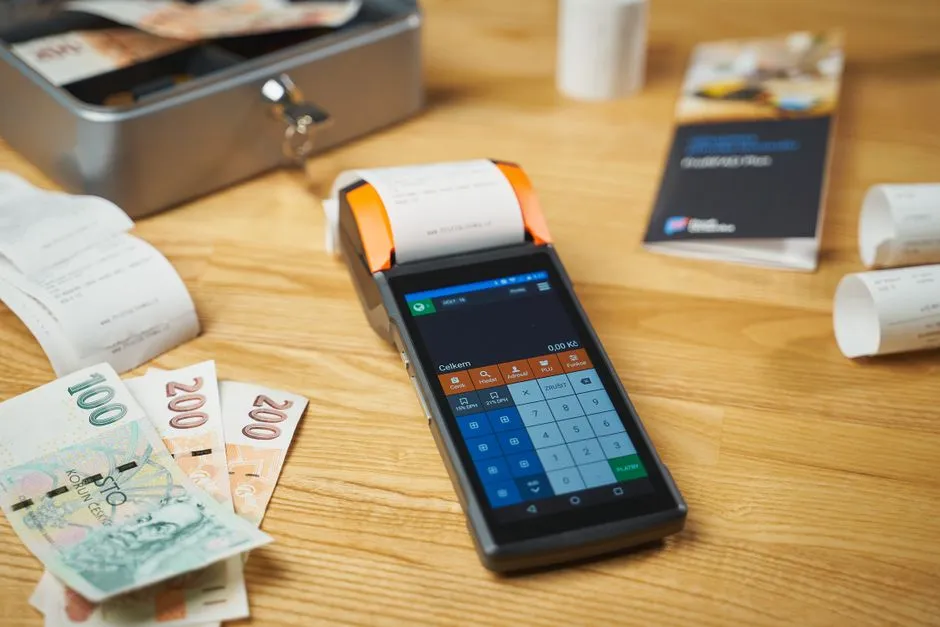
A mobile point of sale (mPOS) system is basically a portable setup – usually a tablet or a smartphone – loaded with the software and hardware you need to run sales. Staff can process purchases from anywhere in your store. This completely flips the traditional checkout model on its head, and it’s key to handling those busy-hour bottlenecks.
Instead of customers lining up at one counter, your team can chat with shoppers right on the floor, answer questions, and ring up sales right there. That gets rid of the physical bottleneck of a fixed register. You spread the transaction load across many points in your boutique. What you get is a smooth, customer-first shopping journey that cuts down on friction and boosts convenience.

What Specific Features of Mobile Point of Sale Prevent Lines?
A mobile point of sale gets its power from features built specifically to make things faster and more efficient. These are the tools that really make those queues disappear, even when things are crazy busy.
Can staff process sales anywhere on the floor?
Absolutely, your staff can process sales anywhere. This is the main reason an mPOS is so great. Sales associates aren’t chained to a static register anymore. So, they can complete transactions the moment a customer decides to buy. This “checkout anywhere” ability means if someone finds an item and is ready to pay, an associate can just ring them up on their mobile device. No need for them to trudge to a central checkout and wait in line.
How do integrated payment options speed up checkout?
Integrated payment options really speed up checkout because they support almost any modern way to pay. Mobile point of sale systems usually take contactless payments (like tap-to-pay), digital wallets (Apple Pay, Google Pay), and EMV chip cards. This flexibility lets customers pick their fastest, preferred payment method. That cuts down on all the fumbling around with cash or old-fashioned card swipes. And when each transaction takes less time, you can serve more customers faster.
What role does real-time inventory play in efficiency?
Real-time inventory management is incredibly important for efficiency within a mobile point of sale system. Staff can instantly check stock levels, confirm if an item is available, and even order out-of-stock items right from their device. This means no more frustrating trips to the back room. It prevents delays and ensures customers get accurate info about what’s in stock. Plus, it helps you spot fast-moving items or stuff that’s just sitting there, which helps you make smarter buying decisions for your boutique.
Boosting Boutique Sales and Customer Loyalty with Mobile Point of Sale
A mobile point of sale system does more than just manage lines. It’s a powerful tool for making the whole boutique experience better, driving up sales and building stronger customer loyalty. It turns a simple transaction into a chance to really connect with your customers.
With an mPOS, your sales associates can move freely, offering personalized styling advice and product recommendations. They can base these on what a customer likes or even their past purchases, if you’ve got CRM integrated. This personal touch creates a more intimate, satisfying shopping environment – exactly what high-end boutiques aim for. Being able to close a sale the moment a customer decides, instead of making them walk to a busy counter, helps you capture impulse buys and reduces the chance they’ll change their mind. Plus, associates can easily pull up product details, customer profiles, and loyalty program info right on their device, making every interaction more informed and valuable. This smooth, personalized service reinforces your boutique’s brand and encourages repeat business. And that builds a loyal customer base that truly appreciates efficiency and attentive service.

Implementing a Mobile Point of Sale System: Best Practices for Boutiques
Putting a mobile point of sale system into your business successfully takes careful planning and execution. Boutiques need to think about several things to make sure the switch goes smoothly and you get the most out of this tech.
How should boutiques train their staff for mobile POS?
Good staff training is non-negotiable for a successful mobile POS launch. Your training should cover everything: not just how to run transactions on the device and software, but also how to use its features to engage customers and check inventory. Role-playing, hands-on practice, and clear, simple manuals really build confidence. Make sure to stress how mPOS actually helps them give amazing service, rather than just being some new gadget. Ongoing support and quick refreshers will keep your staff proficient and comfortable with the system, especially when new features roll out.
What are the key considerations for hardware and software?
Picking the right hardware and software is crucial. For hardware, think about how tough it is, how long the battery lasts, screen size, and if it plays nice with other stuff like barcode scanners or receipt printers. Make sure the devices are light enough for staff to carry comfortably all shift. Software-wise, look for an mPOS solution that’s easy to use, reliable, and has solid features like inventory management, customer relationship management (CRM), and reporting. Cloud-based options are often best because they’re flexible, update automatically, and keep your data safe. Your chosen system should also link up smoothly with your existing boutique software – accounting, e-commerce, whatever – to create one connected operational system.
How can data analytics from mobile POS benefit operations?
The data analytics you get from a mobile point of sale system give you incredibly valuable insights that can really help your boutique run better. Beyond just tracking sales numbers, mPOS systems can show you detailed info on how products are selling, when your busiest times are, average transaction value, and even how individual staff members are performing. This data lets boutique owners make smart decisions about what to stock, who to schedule, and how to market things. For example, knowing your busiest hours helps you staff up appropriately. Understanding which products fly off the shelves refines your buying choices. And analyzing customer data helps you fine-tune promotions and loyalty programs, creating a more personal shopping experience and driving repeat business. Having access to these numbers means you’re always getting better and growing strategically.

The Future of Retail: Why Mobile Point of Sale is Essential by 2026
The retail world is always changing. By 2026, mobile point of sale systems won’t be a fancy extra; they’ll be a basic necessity for boutiques that want to thrive. Customers increasingly expect convenience and speed, thanks to all the digital tech out there. Shoppers want smooth interactions, whether they’re online or in your store. And not having to wait in line? That’s a huge priority.
Boutiques that adopt mPOS will get a serious leg up on the competition. Customers will see them as modern, customer-focused businesses that respect their time. This technology creates a much more dynamic retail environment. Suddenly, your whole store becomes a potential checkout counter, and your staff become true brand ambassadors. Plus, as payment tech keeps expanding, mPOS systems are inherently flexible; they can integrate new payment types fast. Investing in a strong mobile point of sale solution now means your boutique is future-proofed, ready to handle the demands of an increasingly digital and fast-paced retail world, securing your relevance and growth for years to come.

Frequently Asked Questions
What is a mobile point of sale (mPOS) system?
A mobile point of sale (mPOS) system is a portable device, usually a tablet or smartphone, that lets businesses process payments and manage transactions from anywhere, not just a fixed counter.
How does mPOS reduce wait times in boutiques?
mPOS cuts down on wait times by letting sales associates complete sales and process payments right on the sales floor. That means customers don’t have to line up at a central, fixed checkout counter.
Are mobile POS systems secure for processing payments?
Yes, good mobile POS systems use strong security measures. This includes things like end-to-end encryption, tokenization, and following industry rules like EMV and PCI DSS, all to make sure transactions are safe.
Can mobile POS integrate with existing inventory management systems?
Many modern mobile POS systems seamlessly connect with your existing inventory management, CRM, and accounting software. That gives you one clear view of everything and streamlines how your data flows.
What types of payments can a mobile POS system accept?
Mobile POS systems typically accept lots of payment methods: credit/debit cards (chip, swipe, contactless), NFC payments (Apple Pay, Google Pay), and sometimes even digital invoices or QR code payments.
Is mobile POS suitable for small boutiques?
Definitely! Mobile POS is perfect for small boutiques. It’s a cost-effective, flexible, and space-saving solution that can really boost customer experience and operational efficiency without needing tons of traditional hardware.