Quick answer: Modern kitchen touchscreens fundamentally transform restaurant operations by digitizing order management, thereby eradicating the reliance on paper tickets. These advanced terminals enhance efficiency, reduce costs associated with paper, and improve communication across kitchen staff, leading to a more sustainable and productive environment.
Key Takeaways
- Modern kitchen touchscreens eliminate paper ticket waste, significantly reducing environmental impact and operational costs.
- Digital systems streamline order flow, enhance accuracy, and improve communication within the kitchen environment.
- Advanced features like real-time tracking, allergen alerts, and preparation timers boost overall kitchen efficiency.
- Implementing these terminals contributes to data-driven decision-making and better inventory management.
- Restaurants adopting digital kitchen solutions are poised for increased sustainability and competitive advantage by 2026.
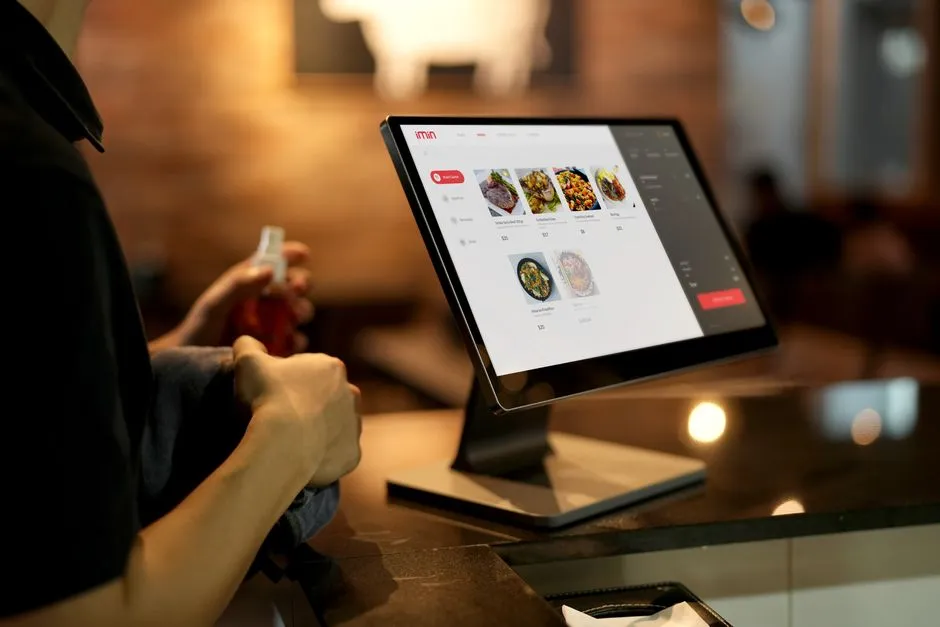
Modern kitchen touchscreens? They’re changing how commercial kitchens run, big time. We’re talking about a whole new level of efficiency and sustainability. For ages, kitchens were stuck with paper tickets for order management. That meant tons of waste, and honestly, a lot of headaches. But now, smart touchscreen terminals have arrived. They’re a brilliant fix for that old-school system, and businesses all over the hospitality world are catching on fast.
These aren’t just fancy screens showing orders. Nope. They actually tie together everything in the kitchen, from who’s prepping what to getting food out the door. Digitizing each step gets rid of paper, plain and simple. Less paper means less clutter, and that helps keep things cleaner. It’s a big move for restaurants that want their back-of-house running smoothly by 2026.
How Do Modern Kitchen Touchscreens Transform Operations?
Modern kitchen touchscreens totally flip the script on how things operate. They give you real-time, digital communication. Orders, whether they come from your front-of-house staff or an online platform, pop up instantly on the screens. They’re usually sorted and color-coded, so it’s super clear. And that instant visibility? It means every dish gets started right away, no waiting around.
These digital systems make things way more efficient and accurate. You won’t see manual errors from misreading handwritten tickets, or lost orders anymore. Every station gets crystal-clear instructions. That cuts down on food waste from prepping things wrong.
Managers can make better, data-backed decisions too. These terminals often track things like order times, how fast dishes get prepped, and when you’re busiest. That gives you some real gold. You can use that data to figure out staffing, tweak your menu, and spot problems. All of it helps your bottom line.
Staff feel better about their jobs, too. Workflows are clearer and way more organized, so there’s less stress and people are happier. Plus, learning these systems is usually a breeze. New hires can jump right into the kitchen’s flow without much fuss.

Eliminating Paper Waste: The Core Advantage of Modern Kitchen Touchscreens
The biggest reason to get modern kitchen touchscreens? They massively cut down on paper ticket waste. And this isn’t just about the environment, though that’s a huge part of it. Going paperless is a major move towards truly sustainable restaurant operations.
Think about it: paper waste hits the environment hard. It means cutting down trees, using loads of energy to make it, and then it just piles up in landfills. Restaurants churn out so many paper order tickets every single day. Ditching paper slashes their carbon footprint and really helps with conservation.
And let’s talk money. You save a ton when you stop buying paper. Think about all that receipt paper, printer upkeep, ink cartridges… it never ends, does it? Those little costs add up fast, eating into your profits. Digital terminals wipe out those expenses completely. So, you’ve got more cash to put into other things.
Workflows just get better, too. Paper tickets? They can vanish, get messy, or just make the kitchen a chaotic mess. Digital screens, though, keep every order clear and visible, always. That means things run smoother, there’s less confusion, and the kitchen stays a lot calmer, even when it’s slammed.
What Specific Features Define Next-Gen Touchscreen Terminals?
So, what makes these next-gen touchscreen terminals special? Well, they’ve got a bunch of advanced features built for tough kitchen work. These aren’t just for showing orders. They’re full-on kitchen management tools. Their sturdy build and smart software? That’s what really makes them useful.
You need tough hardware to survive a commercial kitchen. These terminals come with screens that are durable, splash-proof, and grease-resistant. They can handle the heat and all the cleaning. And their industrial-grade parts mean they last ages and perform reliably, so you won’t have much downtime.
Easy-to-use software is a must for anyone to pick these up fast and work efficiently. You can customize the display to fit your menu and how your kitchen runs. Plus, things like color-coding, drag-and-drop, and clear fonts make sure chefs and line cooks can read orders and prioritize jobs in a flash.
Integration is huge for keeping everything smooth. Modern kitchen touchscreens connect easily to your POS system, online ordering, even inventory software. It’s like building one big system where all your data just flows. No more weird discrepancies, and you’ve got way better control.

How Do Touchscreen Terminals Enhance Communication in the Kitchen?
Touchscreen terminals make kitchen communication way better. They pull all the info together and make it standard. Instead of shouting orders or scribbling notes no one can read, you get clear, visual cues everyone can see. That makes for better teamwork and way less confusion.
Real-time updates mean everyone’s on the same page with current orders. When an order moves from prep to cooking, its status updates with a quick tap, telling the next station what’s up. This cuts down on hold-ups and makes sure food gets put together fresh and fast.
Many systems have prep timers, too. They’ll ping staff when a dish is almost done or if it’s taking too long. This keeps things consistent and helps hit those quality standards for every order. And it’s a huge help when you’re juggling complex orders with lots of parts.
Allergen and dietary info? It’s right there on screen, highlighted for everyone. That’s critical for safety. It drastically cuts the chance of cross-contamination and makes sure guests with special needs get their meals safely. Clear alerts like these are absolutely key for building customer trust and sticking to health rules.

What are the Security and Reliability Aspects of Digital Kitchen Systems?
Security and reliability are non-negotiable for digital kitchen systems. You need them running all the time, right? These systems are built with backups and tough rules to keep your data safe and operations steady. You can count on a good set of modern kitchen touchscreens; that’s their calling card.
Your data stays clean thanks to secure network connections and regular backups. Orders, sales figures, how things are running – it’s all protected from getting lost or messed up. This means your business insights are always right and always there. It’s a safeguard for both you and your customers.
You get maximum uptime because the hardware’s tough and the software’s smart. Lots of systems even have offline modes or backup plans. So, if the internet goes down, you can still process orders. That kind of resilience stops service interruptions and keeps your customers happy.
Managers can set who can do what with user access controls. This means only authorized staff can change system settings or look at sensitive data. It just adds another layer of security, stopping anyone from messing with orders or settings without permission.
Future Outlook: The Evolution of Digital Kitchen Management
What’s next for digital kitchen management? It’s looking pretty good, actually. Innovation just keeps making things more efficient and capable. By 2028, we’ll probably see even deeper integration of AI and machine learning. That’s going to really stretch what modern kitchen touchscreens can do. And the push to go totally paperless? That’s only going to get stronger.
AI will help with things like inventory, predicting just how much you need to order based on past sales and what events are coming up. It could also shift prep schedules on the fly, depending on how busy the kitchen is. That’ll cut down on wait times and really boost how much you can get out. This kind of forward-thinking tech will totally change how kitchens run their logistics.
Workflows will get even more personal, adjusting to each chef’s style and skills. Systems might learn and suggest the best way to divvy up tasks, or even show customized visual reminders for tricky recipes. All that customization? It’ll just make things run smoother and cut down on training for new people.
And get this: predictive maintenance will keep an eye on your kitchen gear, catching problems before they cause a breakdown. Touchscreen terminals could even talk to smart appliances, giving you diagnostics and setting up maintenance before something fails. That stops expensive downtime and helps your valuable equipment last longer.

So, modern kitchen touchscreens do a lot more than just show orders. They’re full-blown management systems. They make things efficient, cut down on waste, and give you solid data to help your business grow. Choosing to use them shows you’re serious about sustainability, saving money, and running a top-notch operation in this tough restaurant world. And as tech keeps moving, these terminals will just become even more essential for successful kitchens everywhere.
Frequently Asked Questions
What are the immediate benefits of switching to modern kitchen touchscreens?
You’ll see benefits right away: much less paper waste and lower costs, more accurate orders, and better communication among kitchen staff. That all means faster service.
Are modern kitchen touchscreens difficult for staff to learn?
Not at all. Most modern kitchen touchscreens are super intuitive and easy to use. Staff pick them up fast, usually with very little training.
Can these systems integrate with existing restaurant technology?
Yep, most modern kitchen touchscreens are made to connect smoothly with your current POS systems, online ordering platforms, and other restaurant software.
How do touchscreen terminals help with food waste reduction?
They help a lot. By making orders accurate and letting you track them in real time, touchscreen terminals cut down on prep errors. That means less food gets spoiled and overall food waste drops.
What maintenance is required for modern kitchen touchscreens?
Usually, it’s just about wiping down the screen and doing software updates now and then. Their sturdy design means you won’t need many hardware repairs, which is great for busy commercial kitchens.
Is there a significant upfront cost for installing these systems?
Sure, there’s an initial cost to set them up. But the money you save long-term—from less paper, better efficiency, and fewer errors—often pays for itself pretty fast, usually within a few years.