

Quick answer: Setting up a new restaurant requires robust restaurant software to open and manage operations efficiently from day one. Essential systems include a reliable Point-of-Sale (POS), comprehensive inventory management, staff scheduling, and customer relationship management (CRM) tools, all integrated for seamless functionality.
Key Takeaways
- Integrated POS systems are fundamental for processing sales, managing tables, and tracking customer orders efficiently.
- Effective inventory management software is critical to minimize waste, control costs, and maintain optimal stock levels.
- Dedicated employee management and scheduling platforms simplify payroll, time tracking, and staff communication.
- Online ordering and reservation software are vital for expanding reach and enhancing the customer experience in 2026.
- Choosing scalable, cloud-based solutions ensures future adaptability and accessibility for growing businesses.
- Data analytics capabilities within restaurant software provide insights for strategic decision-making and operational improvements.
So, you’re opening a restaurant in 2026? Awesome! But it’s about so much more than just serving great food and setting the right vibe. You really need to think about the right restaurant software to open your doors and make it all work. The tech you choose sets the foundation for smoother operations, happier customers, and a healthier bottom line. Get your place set up with modern systems, and you’ll manage everything from who walks in the door to what’s happening in the kitchen, a whole lot better.
What Essential Restaurant Software Does a New Restaurant Need to Open?
Opening a new restaurant means you’ll be juggling a ton of operational stuff. That’s where essential software comes in. These tools are the backbone for handling daily tasks, boosting efficiency, and making sure every customer has a great experience. They automate repetitive jobs, cut down on human mistakes, and give you valuable info to make smarter choices.
From the moment a customer steps inside until you lock up for the night, technology plays a huge part. Invest in the right digital tools from the very beginning, and you’ll save yourself time, money, and a lot of headaches later on. Plus, it really sets you up for growth and consistent service quality.
How Does a Point-of-Sale (POS) System Benefit New Restaurant Operations?
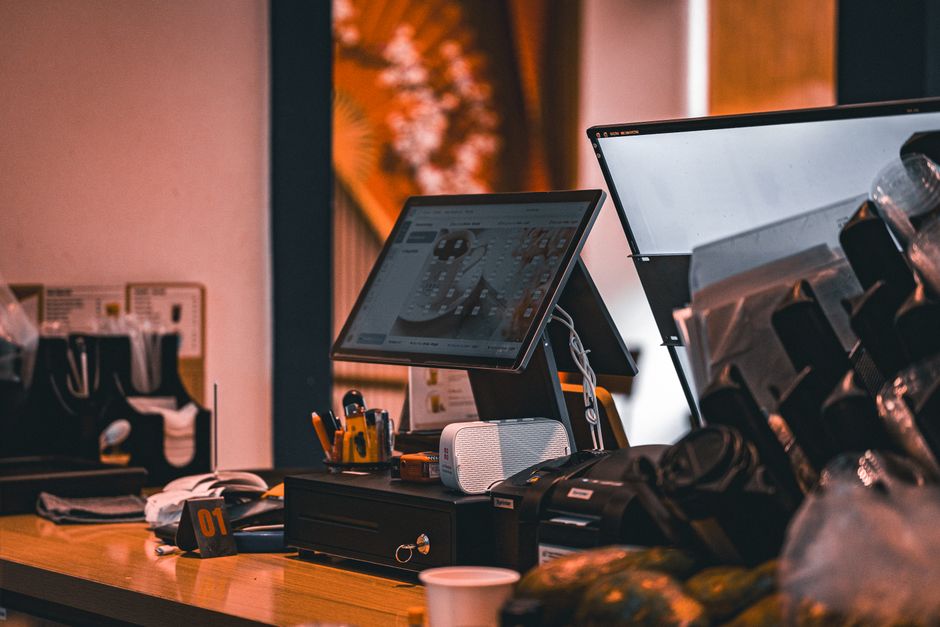
Look, a modern Point-of-Sale (POS) system isn’t just important for a new restaurant; it’s absolutely vital. This is where transactions happen, orders get sorted, and it often acts as the central hub for other essential software you’ll use. A solid POS does way more than just ring up sales.
You’ll want features like table management, easy order customization, split payments for guests, and really thorough reporting. Cloud-based POS systems are great too because they’re flexible – you can access them from anywhere. That means less expensive hardware to buy and manage on-site. And they’re super helpful for tracking sales data, so you know exactly when you’re busiest.
What are the Advantages of Integrating Online Ordering and Delivery Platforms?
These days, online ordering and delivery services are a must-have for any new restaurant. Seriously, you can’t open without them. These platforms let you reach customers far beyond your actual location, bringing in a much wider audience. Whether you link up with popular third-party delivery services or set up your own ordering system, you’ll see a big jump in your initial revenue.
A good online ordering system should be simple for customers to use and connect smoothly with your POS. This ensures orders are accurate and your kitchen staff can handle them efficiently. It’s an absolute game-changer for keeping up with how people want to eat out (or in!) in 2026.
Why is Inventory Management Software Crucial for Profitability?
Want to make money? Then you absolutely have to control your inventory. Inventory management software tracks all your ingredients, keeps an eye on stock levels, and helps stop waste and theft. It gives you up-to-the-minute info on what you’ve got.
This kind of software can even automate ordering. It looks at how much you’re using and what you’re selling, then suggests what to reorder. By getting smart about your inventory, you throw away less food, cut down on storage costs, and make sure those popular dishes are always available. It directly impacts your profits and how smoothly you run things.
How Does Recipe Management Software Support Cost Control?
Recipe management software goes hand-in-hand with inventory, and it’s super important for keeping costs in check. It lets you standardize your recipes, figure out the exact cost of each portion, and compare how many ingredients you’re using against what you’re selling. This ensures your food always tastes the same, and your pricing makes sense.
When you know exactly what each plate costs you, you can make smart decisions about your menu prices and spot places where you could save money. This software gives you a crystal-clear picture of your food costs, which, let’s be honest, is usually a restaurant’s biggest expense.
Can Supply Chain Software Improve Efficiency and Reduce Waste?
Moving past basic inventory, advanced supply chain software can really fine-tune your whole buying process. It links you straight to your suppliers, automates purchase orders, and keeps tabs on deliveries. That means you get the right ingredients, at the right time, and at the best possible price.
Less waste, fresher food, and better relationships with your vendors are all direct perks of good supply chain management. This level of optimization is essential for staying competitive and profitable in the busy restaurant scene of 2026.

What Role Does Employee Management Software Play in a New Restaurant?
Managing your team well is key to both service quality and how smoothly everything runs. Employee management software makes scheduling, payroll, time tracking, and communication a breeze. It cuts down on all that administrative work and helps you keep a happy, productive staff.
Look for features that let your staff check schedules, ask for time off, and even swap shifts right from an app. That gives them more control and saves you a ton of time you’d normally spend on traditional scheduling. And automated payroll integration? That’s another huge time-saver.
How Does Scheduling Software Optimize Staffing Levels?
Smart scheduling software uses your sales data and forecasts to build the best staff rotas. This means you’ll have enough people during busy times but won’t be overstaffed when things are slow. Efficient scheduling directly affects labor costs, which, let’s face it, is a massive part of your budget.
When you don’t have enough staff, your service suffers, and your employees burn out. But too many staff members? That’s just wasted money. This software helps you find that sweet spot, so your operations always run smoothly.
Why is Payroll and HR Software Essential for Compliance and Staff Satisfaction?
Payroll and HR software are vital. They make sure everyone gets paid accurately and on time, and they keep all your employee records in order. These systems automate calculations for wages, taxes, and benefits, meaning fewer errors and keeping you compliant with labor laws. In 2026, those rules can get pretty complicated, so you’ll need reliable systems.
Beyond just payroll, HR tools can help you onboard new hires, handle performance reviews, and securely store important employee information. A well-run HR system really helps keep your staff happy and working for you longer.

How Can Reservation and Online Ordering Software Boost Sales?
Today’s diners want convenience, and robust reservation and online ordering platforms give them just that. Reservation software lets customers book tables easily, often connecting directly with your POS and table management system. That means fewer no-shows and more full seats.
Online ordering platforms, as we talked about, let you expand your reach for takeout and delivery. Together, these systems make the whole customer experience smoother, from when they first think about you to when they get their food. That makes them happier and boosts your sales. They’re central to attracting the digital-first consumer.
What Marketing and CRM Tools Should a New Restaurant Consider?
To build a loyal customer base, you need good marketing and customer relationship management (CRM) tools. CRM software helps you gather customer data, track their preferences, and personalize your marketing. Think email campaigns, loyalty programs, and special promotions just for them.
When you really understand your customers, you can give them tailored experiences. That brings them back again and again, and they’ll tell their friends. From automated birthday discounts to personalized menu recommendations, CRM tools are powerful for building strong customer relationships and ensuring long-term success. And don’t forget social media management tools — they’re key for getting the word out about your new place.

Choosing the Right Restaurant Software to Open: Key Considerations
Picking the best restaurant software to open your doors means really thinking about a few things. It’s not just about what the software does; it’s also about how well it integrates, if it can grow with you, and the support you’ll get. A smart approach ensures your tech investment pays off big time.
Always prioritize systems that can scale as your business grows and offer great customer support. The goal is to build a connected system that helps all parts of your restaurant run efficiently.
Why is Integration a Critical Factor in Restaurant Software Selection?
The ability of your different software systems to talk to each other and share data seamlessly? That’s super important. Imagine a connected system where your POS chats with your inventory, scheduling, and online ordering. No more manual data entry, fewer mistakes. You get a complete picture of everything happening.
For example, when you make a sale through the POS, your inventory levels should update automatically. This integration saves time, makes your data more accurate, and gives you better insights. Always pick software that plays nice with others.
Should New Restaurants Prioritize Cloud-Based or On-Premise Software?
For new restaurants, cloud-based software is pretty much always the better choice. Cloud solutions usually mean lower upfront costs because you don’t need expensive on-site servers and IT equipment. You can access them from any device with an internet connection, which gives you and your staff a lot of flexibility.
Updates and maintenance? The vendor usually handles all that, so your system is always current and secure. And cloud platforms are scalable, meaning they can easily adapt as your restaurant grows. Plus, data backup and disaster recovery are often included, giving you extra peace of mind.
The Future of Restaurant Technology: What’s Next for 2026 and Beyond?
The restaurant world is always changing, and technology is becoming more and more vital. For 2026 and beyond, expect even tighter integration, more automation, and highly personalized experiences, all thanks to advanced software. AI and machine learning are going to drive the next wave of big innovations.
Imagine predictive analytics, using all that data you collect, to give you super accurate forecasts for inventory and staffing. Voice AI for ordering, advanced robots in the kitchen, and truly personalized customer experiences are definitely on the horizon. So, staying flexible and open to new tech will be key to staying ahead of the competition.
Frequently Asked Questions
What is the most important software for a new restaurant?
The most important software for a new restaurant is an integrated Point-of-Sale (POS) system. It manages sales, orders, and often serves as the central hub for other operational software.
How much does restaurant software cost to get started?
Initial costs for restaurant software can vary widely, from a few hundred dollars per month for basic cloud-based POS and inventory systems to several thousands for comprehensive, custom-integrated solutions. Many offer subscription models.
Can I manage a new restaurant with just one software system?
While some all-in-one platforms exist, it’s rare to manage a restaurant effectively with just one system. A combination of specialized software for POS, inventory, scheduling, and online ordering typically provides the best results and deepest functionality.
What are the benefits of using cloud-based restaurant software?
Cloud-based restaurant software offers benefits like lower upfront costs, remote accessibility, automatic updates, enhanced data security, and greater scalability as your business grows.
How long does it take to implement new restaurant software?
Implementation time for new restaurant software varies. Basic POS systems might be set up in a few days, while comprehensive integrated suites could take several weeks, including data migration and staff training.
Should new restaurants focus on mobile app solutions?
Yes, new restaurants should strongly consider mobile app solutions for both customers (for ordering/reservations) and staff (for scheduling/communication). Mobile access enhances convenience and efficiency across the board.