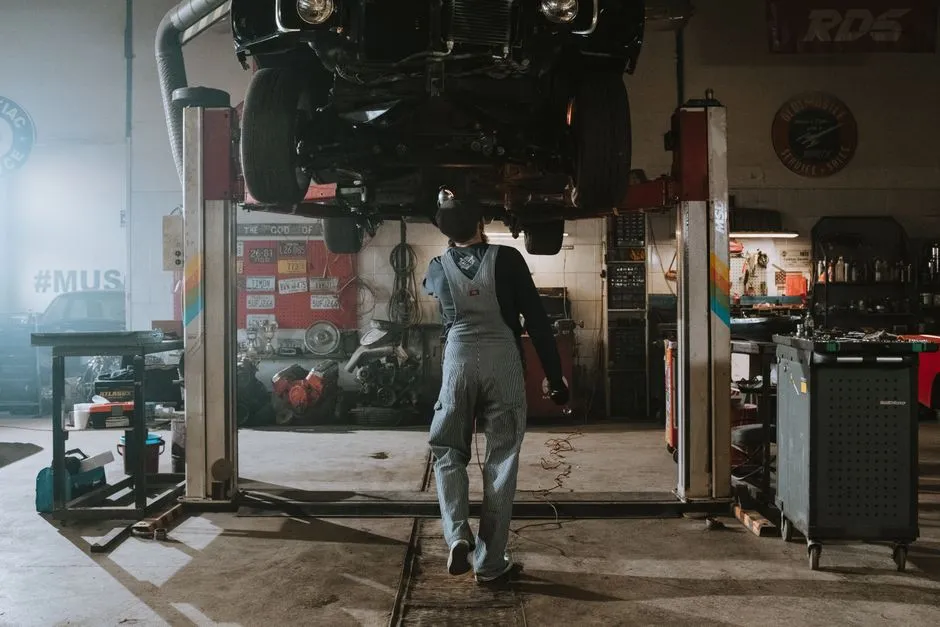
Quick answer: Using how digital work order software really speeds up automotive repair shop operations. It automates manual tasks, centralizes all your critical information, and makes communication way better. That means faster service and happier customers. This tech basically takes those old paper-based processes and transforms them into efficient digital workflows, streamlining every single stage from vehicle check-in right through to invoice generation.
Key Takeaways
- Digital work order software automates and centralizes crucial information for automotive repair shops.
- It significantly cuts down administrative time spent on manual data entry and paperwork.
- Better communication between technicians, service advisors, and customers? That’s a huge plus.
- You’ll see more accurate diagnostics, parts ordering, and billing, which means fewer errors and less rework.
- Real-time tracking of job progress and technician efficiency helps you use your resources best.
- Integrating with other shop management systems boosts overall operations and your bottom line.
What is Digital Work Order Software and How Does It Function?
Digital work order software is a specific program designed to manage and automate the whole life cycle of a service request within an automotive repair shop. It gets rid of your old paper-based systems, putting all job-related information into one central digital platform. That means customer details, vehicle history, diagnostic findings, recommended repairs, parts required, labor estimates, and the final bill — all in one place.
So, how does it work? It basically creates a digital record for every service request. A car rolls in, and a service advisor can quickly whip up a new digital work order, inputting customer and vehicle data. This digital document then sticks with the vehicle through diagnostics, approval, repair, and quality control. Every single step, from assigning a tech to getting parts, gets logged and updated in real-time within the system.
This digital backbone ensures that all your team members have immediate access to the very latest information. It just stops all that miscommunication you often get with handwritten notes or separate, disconnected systems. And what you get is a clear, efficient workflow that keeps things running smoothly.
How Digital Work Order Software Boosts Efficiency in Daily Tasks?
Digital work order software completely changes how automotive repair shops get their daily tasks done. And that means huge efficiency gains. It automates tons of processes that usually eat up time and lead to mistakes. This automation frees up valuable time for your service advisors and technicians, letting them focus on making money.
One big way this software boosts efficiency? It eliminates manual data entry. You can quickly pull customer and vehicle info from existing databases, or enter it once, and it’ll fill in all the right spots. No more duplicate entries, and fewer transcription errors. Technicians get digital assignments right to their tablets, full of diagnostic notes and repair instructions. That cuts down on trips to the service desk.
And parts ordering? It gets way more efficient. The software can even connect with parts suppliers, letting techs find and order parts right from the work order itself. That means fewer delays and getting the right parts the first time around. Real-time updates mean everyone involved knows a job’s status, improving coordination and cutting down on idle time.
So, by streamlining these crucial daily tasks, how digital work order software directly helps you turn cars around faster and complete more repairs. Shops can serve more customers effectively, leading to better profits by 2026.
Streamlining Customer Check-In and Vehicle Intake
Customer check-in? It’s a swift, paperless process with digital work order software. Service advisors can quickly pull up customer histories, past services, and vehicle specs right from a tablet or workstation. That speeds up the first look and lets you give personalized service recommendations based on what’s been done before.
Digital intake forms grab all the necessary details fast, often with customer e-signatures. So, less paperwork. This organized way of doing things means less waiting for customers, and all important info gets recorded accurately right from the start. That digital record then instantly becomes the blueprint for everything that comes next.
Optimizing Diagnostic and Repair Processes
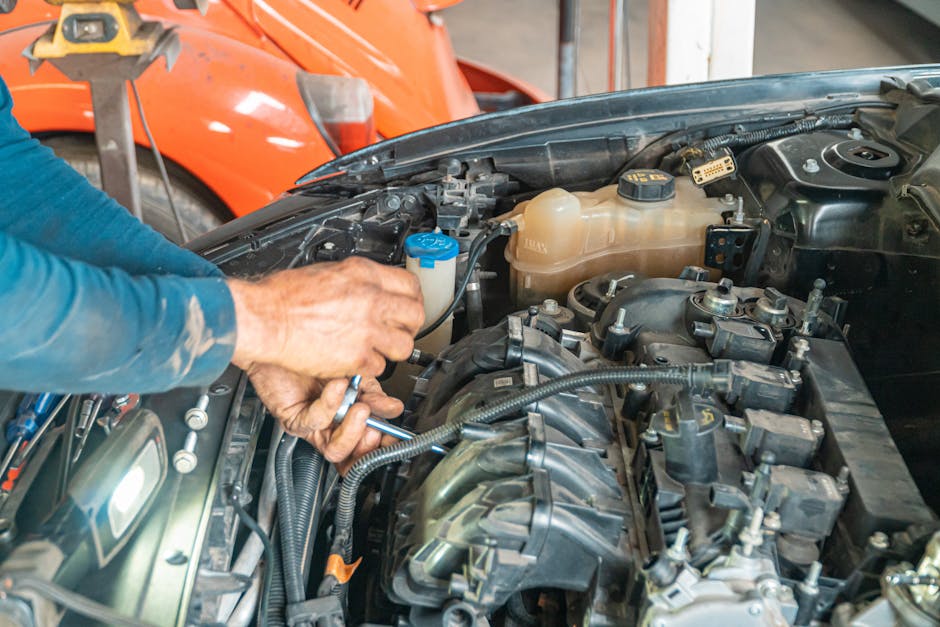
Technicians get a huge boost from digital work orders. They’re packed with comprehensive diagnostic info and step-by-step repair guides. They can even attach photos or videos of vehicle issues right to the work order. That’s clear proof for customers and makes internal communication much easier. This clarity cuts down on confusion and makes diagnostics more accurate.
Access to manufacturer specs, wiring diagrams, and service bulletins directly through the software? That means techs have all the tools they need right at their fingertips. It speeds up repairs, cuts down on errors, and makes sure work gets done to the highest standards. And real-time logging of labor hours against specific tasks also gives you valuable data for future estimates.
How Digital Work Order Software Enhances Communication and Transparency?
Good communication is the backbone of any successful auto repair shop. And how digital work order software is brilliant at making that happen. The software builds one single platform where everyone — service advisors, techs, parts departments, even your customers — can get relevant info in real-time. That gets rid of misinterpretations and makes sure everyone’s on the same page about vehicle status and how repairs are coming along.
Internally, technicians can give instant updates on job progress, spot extra repair needs, or ask for specific parts right through the digital work order. Service advisors can then immediately tell customers, giving them timely and accurate updates. This smooth info flow really cuts down on all those back-and-forth phone calls or trips out to the shop floor. It saves time and just makes things easier.
And customers get way more transparency, too. Lots of modern digital work order systems offer customer portals or automated updates by text or email. Customers can get digital inspection reports, complete with photos of recommended repairs. They can approve work and track their car’s status remotely. This kind of transparency builds trust and makes the whole customer experience better. That means happier customers and more repeat business by 2026.
Improving Internal Team Collaboration
Digital work orders become the central hub for all internal communication about a car repair. Technicians can easily add notes, flag issues, and ask for clarification from service advisors, all without leaving their bay. This structured communication means less chance of info getting lost or misunderstood, which happens all the time with verbal instructions or handwritten notes.
Managers can also keep an eye on all active work orders, reassign tasks, or dish out resources as needed, all based on real-time data. This better oversight means workflows get optimized, and you can spot and fix potential bottlenecks proactively. That ensures maximum productivity across the whole team.
Boosting Customer Trust with Transparent Updates
Customers often feel wary about auto repairs. Why? They don’t always understand things or trust the process. Digital work order software tackles this head-on by giving them incredible transparency. Shops can send digital inspection reports, packed with annotated photos and videos, right to a customer’s smartphone. This visual proof really helps customers understand why those repairs are necessary.
Plus, automated notifications keep customers in the loop at every stage—from when they approve a repair to when it’s done. This kind of proactive communication eases anxiety and seriously boosts customer satisfaction. When customers feel informed and empowered, their trust in your shop just skyrockets. And that builds long-term loyalty.
Key Features to Look for in Digital Work Order Software
Picking digital work order software for your auto repair shop? Certain features are absolutely key if you want to maximize efficiency and profits. A solid system should give you a full set of tools that fit perfectly into your daily operations. Focusing on these features means the software will deliver real benefits and a great return on investment by 2027.
Look for software that handles customer and vehicle management. That means detailed profiles and tracking service history. Digital multi-point inspection (MPI) tools are also crucial for thorough diagnostics and talking with customers. Integrated parts ordering and inventory management can seriously cut down on delays and make stock control better. And don’t forget robust reporting and analytics. They’re vital for understanding how your shop is really doing and for making decisions based on solid data.
Mobile accessibility, letting technicians work from tablets, is also a must-have for modern shops. Finally, make sure the software has excellent customer support and regular updates. That’ll guarantee it lasts and can adapt to future industry changes.
Integration with Other Shop Management Systems
The real power of digital work order software comes out when it integrates with your other essential shop management systems. Seamless integration with accounting software makes billing and financial reporting smoother, cutting down on manual input and errors. Connecting to CRM systems? That boosts customer communication and marketing efforts.
Plus, integrating with diagnostic tools and parts supplier catalogs creates an interconnected system. This means info flows easily across departments and processes, getting rid of data silos and giving you one single, reliable source for all your operational data. This whole-picture approach maximizes efficiency and gives you a complete view of how your shop’s doing.
Reporting and Analytics for Informed Decision-Making
Powerful reporting and analytics capabilities are crucial parts of any high-quality digital work order software. These features give shop owners and managers invaluable insights into how they’re operating. Detailed reports can track technician efficiency, average repair times, parts usage, and profit for each job or service type.
By looking at this data, managers can spot bottlenecks, optimize where resources go, and make smart decisions to improve how the shop performs overall. Say, understanding which services make the most money or which techs are fastest can guide your training and marketing strategies. This data-driven way of doing things? It’s essential for staying competitive in the automotive service industry beyond 2026.
Future Trends and the Evolving Role of Digital Work Order Software
The auto repair industry keeps changing, and how digital work order software is right there leading the charge. Looking ahead to 2027 and beyond, these systems will get even more intertwined with new technologies. That’ll just boost what they can do and cement their must-have role in modern shops. Expect to see more artificial intelligence (AI) and machine learning (ML) built right in.
AI-powered diagnostics could suggest common repairs based on a car’s symptoms and past data. That’d make things more accurate and faster. ML algorithms might optimize parts inventory by predicting demand, cutting down on carrying costs and making sure you always have what you need. With more electric vehicles (EVs) and advanced driver-assistance systems (ADAS) showing up, you’ll need software that can handle increasingly complex repair workflows and specialized tools.
What’s more, better customer engagement features—like virtual consultations or augmented reality (AR) overlays for repair explanations—will probably become standard. Digital work order software won’t just manage tasks; it’ll also be a comprehensive operational intelligence platform. It’ll guide shops toward better efficiency, happier customers, and sustained growth.

Adapting to Electric Vehicle (EV) Service Needs
The electric vehicle market is growing fast, so digital work order software needs to keep up with new service requirements. That means managing specialized EV diagnostics, tracking unique EV parts, and scheduling highly trained EV technicians. The software will also need to support new safety protocols for high-voltage systems and specialized equipment.
Future versions will probably include EV-specific repair guides and data. That’ll make sure shops are ready for the growing demand for EV maintenance and repair. This ability to adapt? It’ll be crucial for shops to stay relevant and profitable in the changing auto world.
Leveraging AI for Predictive Maintenance and Diagnostics
Bringing AI and machine learning into digital work order software? That promises a total revolution in predictive maintenance and diagnostics. AI can crunch huge amounts of vehicle data, spotting patterns that point to potential future failures. This means shops can recommend proactive maintenance, preventing expensive breakdowns for customers and keeping vehicles reliable.
For diagnostics, AI can help technicians by suggesting likely causes based on symptoms and sensor data. That seriously speeds up troubleshooting. This predictive power changes reactive repair into proactive care. It benefits both the shop’s efficiency and how long a customer’s vehicle lasts.
Frequently Asked Questions
What is the primary benefit of using digital work order software?
The primary benefit? A big jump in operational efficiency. You get that by automating manual tasks, centralizing information, and improving communication throughout the whole repair process.
Can digital work order software integrate with existing shop systems?
Yes, most modern digital work order software is built to integrate smoothly with other shop management systems like accounting, CRM, and parts ordering platforms. It creates a unified operational ecosystem.
How does digital software improve customer communication?
It improves customer communication by giving you real-time updates, digital inspection reports with photos, and automated notifications via text or email. That builds transparency and trust.
Is it difficult to train staff on how digital work order software?
Sure, there’s an initial learning curve. But most digital work order software is designed with user-friendly interfaces, and many providers offer comprehensive training and support. That makes it pretty straightforward for staff to adopt.
What makes a good digital work order software for an automotive shop?
A good digital work order software offers robust features: customer management, digital inspections, parts integration, reporting, mobile accessibility, and strong customer support. It ensures it meets the specific needs of an automotive repair environment.