Quick answer: Modern auto repair shops depend on integrated garage management and POS tools to streamline operations, enhance customer experience, and ensure financial health in a rapidly evolving automotive landscape. These systems consolidate various essential functions, from scheduling and inventory to invoicing and customer relationship management, fostering efficiency and profitability for sustainable growth in 2026 and beyond.
Key Takeaways
- Integrated garage management and POS tools centralize operations, significantly boosting efficiency and reducing manual errors.
- These systems enhance customer satisfaction through transparent communication, digital service history, and personalized service.
- Financial benefits include improved cash flow, accurate reporting, and better decision-making for sustained profitability.
- Robust integration ensures compliance with regulations and strengthens data security, protecting both the business and its customers.
- Future trends in 2026 point towards AI-driven diagnostics, predictive maintenance, and mobile customer self-service through these integrated platforms.
Let’s face it: running an auto repair shop today is complicated. That’s why modern auto repair shops depend on integrated garage management and Point-of-Sale (POS) tools. These aren’t just fancy extras anymore; they’re essential. They help businesses get workflows running smoothly, handle customer interactions, and keep a clear eye on the finances.
Vehicle maintenance keeps changing, so shops have to jump on new tech and customer demands fast. If you’re still using separate systems, you’re probably dealing with data silos and wasted time. That’s a real drag on growth. But integrated platforms? They tie everything together, connecting all the shop’s daily tasks.
Why Do Modern Auto Repair Shops Depend on Integrated Management for Efficiency?
Integrated management systems are key to running any modern auto repair shop smoothly. They pull all those different tasks into one neat workflow. That cuts out repetitive work and slashes the kind of errors you usually get with manual processes.
From the minute a customer books an appointment until they drive away, these tools make everything flow. Appointment scheduling, technician assignments, job dispatch—it’s all automated. That means you’re using your resources perfectly. And what’s the result? Faster service and more cars getting through the shop.
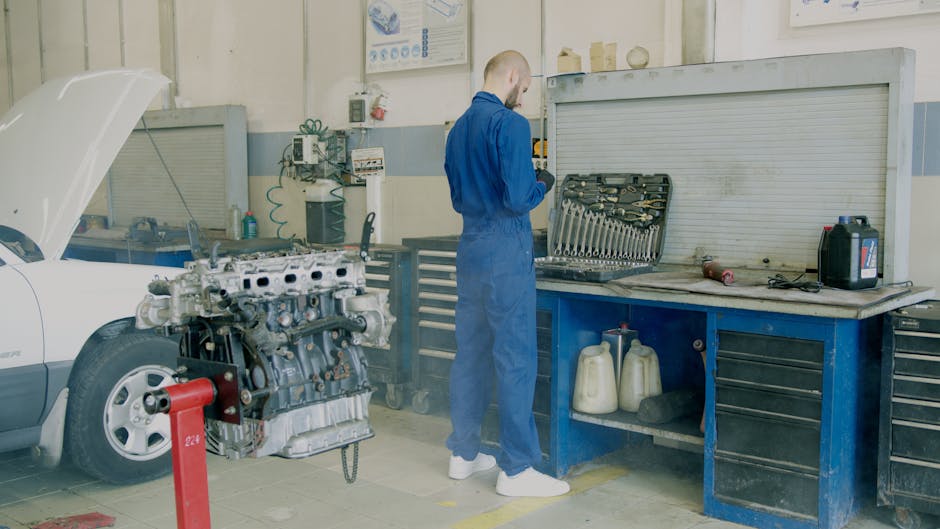
Inventory management really benefits from integration. You get real-time tracking for parts, automatic reordering when stock runs low, and better ways to manage your suppliers. That makes sure you always have the right parts when you need them. No more expensive delays or piles of unused inventory. Plus, technicians can instantly pull up a vehicle’s service history and specs, leading to better diagnostics and higher quality repairs.
How Do Integrated POS Tools Enhance Customer Experience in Auto Repair?
Keeping customers happy is the main goal. Integrated POS tools really boost the service experience. These systems make communication super clear. Customers get easy-to-read, itemized invoices and digital access to their car’s service history.
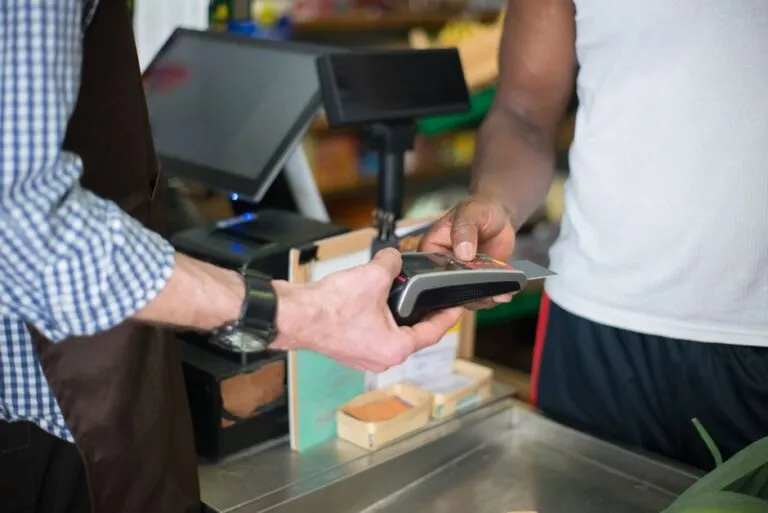
Digital payment options—think mobile payments and tap-to-pay—are just plain convenient. Customers love being able to see recommended services, check costs, and approve work right there digitally. That builds trust and cuts out confusion. And it’s easier to give customers a personalized experience. With detailed service records, you can suggest just the right things, based on their car’s history and what the manufacturer recommends.
What Role Does Seamless Data Flow Play in Customer Satisfaction?
Smooth data flow between your front and back offices? That’s huge for making customers happy. When a service advisor can instantly check a technician’s notes or what’s in parts inventory, they can answer customer questions fast and accurately. It just cuts down on waiting and makes the shop look really professional.
Integrated Customer Relationship Management (CRM) tools built into these platforms track every single interaction—from that first call to follow-up after service. This history helps shops build lasting relationships. You can turn a first-time visitor into a loyal customer, no problem. And by having a full picture of each customer’s car and what they like, shops can send out helpful service reminders and targeted promotions. That really adds value.
What Financial Benefits Do Modern Auto Repair Shops Gain From Integration?
Integrated garage management and POS tools bring serious financial perks. They really boost your bottom line. When shops streamline operations, they can cut down on labor costs for admin tasks and make everyone more productive. That means more revenue for every bay you’ve got.
Integrated systems help you price jobs and invoice accurately, cutting out billing mistakes and lost income. You also get detailed financial reports that show profit margins for specific services or parts. So, shop owners can tweak pricing and focus on what makes the most money. This kind of smart financial overview is crucial for keeping your business growing.

How Does Integrated Reporting Drive Better Business Decisions?
Integrated reporting tools give you a full picture of your shop’s financial health and how well it’s running. Owners and managers can pull custom reports on all sorts of important numbers: average repair order (ARO), how productive technicians are, how profitable parts sales are, and customer retention rates.
These insights help you make smarter decisions. For example, if you spot service categories that aren’t doing so hot, or technicians who are just crushing it, you can tailor training or adjust your marketing. Shops can also predict future demand much better, figure out optimal staffing, and plan big equipment upgrades or expansion for 2026. It’s about making smart moves.
Why Do Modern Auto Repair Shops Depend on Robust Systems for Compliance and Security?
Data privacy worries and strict rules are only growing. So, modern auto repair shops depend on robust integrated systems for compliance and security. These platforms come with features already built in to protect sensitive customer info—personal details, payment data, everything—from online threats.
Things like environmental waste disposal or vehicle safety standards? Compliance is often way easier with integrated documentation and tracking. Keeping accurate records for audits becomes a breeze, cutting down the risk of fines or legal headaches. And data encryption, secure payment systems, and user access controls are standard features that really keep things safe.
How Does Data Backup and Recovery Protect Auto Repair Businesses?
You just can’t skip reliable data backup and recovery. It protects your auto repair business from all sorts of unexpected problems. Integrated systems usually come with automated cloud backups, making sure all your vital business data—customer records, service history, inventory, financial info—is stored securely somewhere else.
Say you have a hardware failure, a natural disaster, or a cyber-attack. A strong recovery plan cuts downtime and stops you from losing everything. This plan makes sure you can get back to work fast, protecting your income and keeping customer trust for 2026 and beyond. You can run your business feeling confident, knowing your most important info is safe.
What Are the Future Trends for Integrated Garage Management in 2026?
Integrated garage management systems will get even smarter and more automated in 2026 and well beyond. We’ll see more Artificial Intelligence (AI) and Machine Learning (ML) built right in. They’ll suggest predictive maintenance, looking at vehicle data to guess at potential failures before they actually happen.
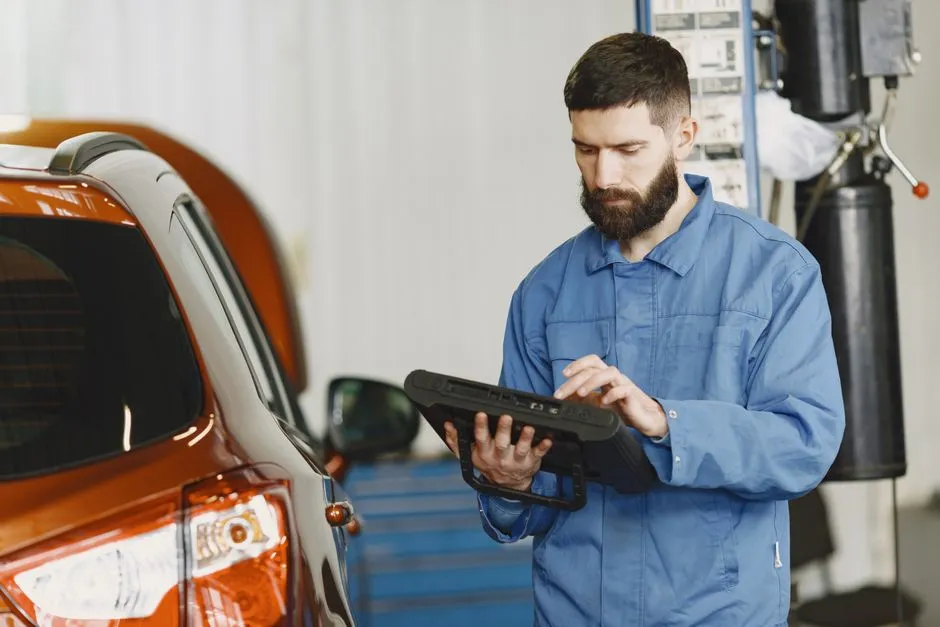
Better mobile integration means techs can grab and update job orders right from a tablet at the car. And customers? They’ll get awesome self-service portals. These portals will handle online booking, give real-time repair updates, and even offer virtual consultations. Cloud-based solutions will still be king, providing flexibility, easy access, and powerful cybersecurity that handles whatever new threats pop up.
Vehicle-to-Everything (V2X) communication might change how diagnostic data gets collected and understood, feeding it straight into your management system. Look for platforms that link up effortlessly with electric vehicle (EV) diagnostics and charging infrastructure management. That’s a huge and growing market, after all. And working with the wider automotive world—parts suppliers, warranty companies—will get even smoother.
So, it’s pretty clear: modern auto repair shops simply depend on integrated garage management and POS tools. These systems are the backbone for efficiency, keeping customers happy, staying financially healthy, and having strong security. Shops that embrace these technologies will stay competitive, stay nimble, and be ready for whatever challenges and chances the automotive service industry throws their way.
Frequently Asked Questions
What is integrated garage management software?
Integrated garage management software is a comprehensive system that unifies various functions of an auto repair shop, including scheduling, inventory, POS, CRM, and accounting, into a single platform for streamlined operations.
How does POS integration benefit an auto repair shop?
POS integration benefits a shop by enabling seamless payment processing, transparent invoicing, detailed service history tracking, and digital communication, all of which enhance customer experience and operational efficiency.
Can integrated systems help with inventory control?
Yes, integrated systems are highly effective for inventory control, offering real-time tracking of parts, automated reordering, vendor management, and detailed reporting to minimize stockouts and reduce carrying costs.
Are integrated garage management systems secure for customer data?
Modern integrated garage management systems prioritize data security through features like encryption, secure payment gateways, access controls, and automated backups, safeguarding sensitive customer and business information against threats.
What are the main advantages of switching to an integrated system?
The main advantages include increased operational efficiency, improved customer satisfaction, enhanced financial performance through better reporting, robust data security, and better adaptability to future industry trends.
How long does it take to implement an integrated garage management system?
Implementation time varies based on the system’s complexity and the shop’s size, typically ranging from a few weeks to several months, including data migration, staff training, and customization to meet specific business needs.