Quick answer: Modern pop-up kiosks depend significantly on SIM-card enabled cellular POS hardware because it guarantees reliable, secure, and flexible payment processing in any location, without needing traditional internet infrastructure. This technology enables temporary retail operations to achieve seamless transactions and real-time data synchronization, critical for optimizing sales and inventory management.
Key Takeaways
- Cellular POS offers incredible mobility and operational flexibility for pop-up businesses.
- SIM-card enabled systems mean consistent connectivity, even in remote or crowded spots.
- Enhanced security features keep sensitive transaction data safe through encrypted cellular networks.
- Real-time inventory and sales data give businesses instant insights, helping them make smarter decisions.
- Scalable cellular POS solutions help businesses grow and adapt in dynamic retail environments.
- Reduced setup hassle and lower infrastructure costs make cellular POS ideal for temporary setups.
Why Modern Pop-Up Kiosks Depend on Robust Cellular Connectivity?
Modern pop-up kiosks depend on robust cellular connectivity to truly thrive. These temporary retail spaces — whether at festivals, markets, or promotional events — need a Point-of-Sale (POS) system that’s both reliable and super mobile.
You see, traditional wired internet connections are often impractical, or just impossible, in these transient settings. But cellular POS hardware, equipped with SIM cards, gets around this. It uses mobile networks instead. So, businesses can process sales easily, wherever and whenever.
What are the core challenges of temporary retail environments?
Temporary retail environments deal with challenges regular stores don’t. The biggest problem? No fixed power or internet. Setting up a new internet line for a pop-up that only lasts a few days or weeks is usually too expensive and takes too long.
Plus, these spots might be remote, outdoors, or just super busy. That makes Wi-Fi spotty or jammed. Security’s a big worry too. Public networks are riskier for data breaches. So, they need a payment system that’s secure, always on, and works by itself.
How does mobility benefit pop-up business models?
Pop-ups are strong because they’re mobile. That lets them chase new opportunities and find all sorts of customers. Cellular POS systems make this easier. Vendors can literally “pop up” anywhere — a beachside stand, a convention booth — and start selling right away.
This flexibility cuts down on logistical headaches and setup time. So, businesses can just focus on selling and talking to customers. Moving freely, operating anywhere? That’s a huge competitive edge for any pop-up entrepreneur by 2026.
How SIM-Card Enabled POS Transforms Pop-Up Kiosks
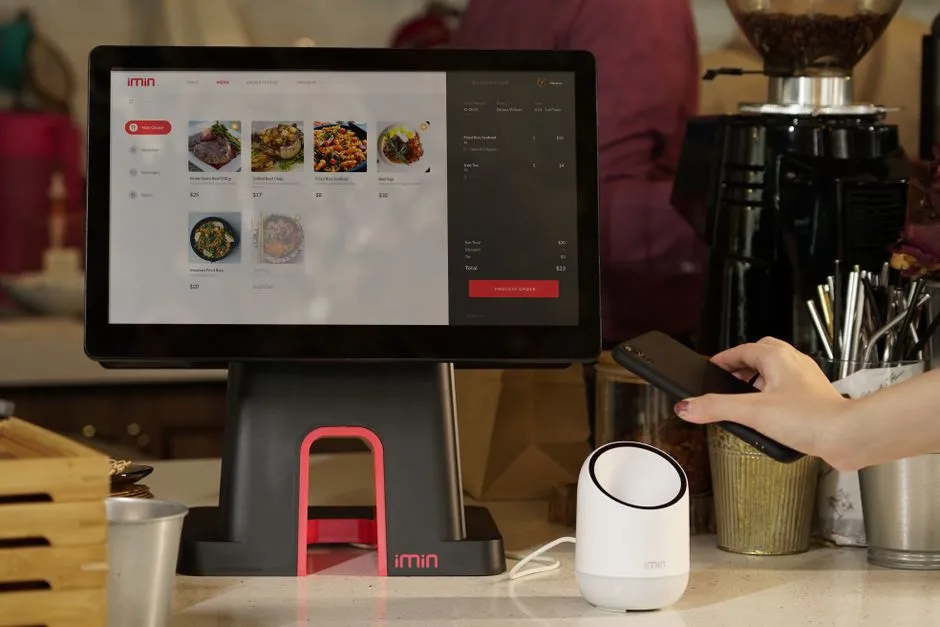
SIM-card enabled POS hardware isn’t just an alternative; it’s a big change for pop-up kiosks. By building cellular data capabilities right into the payment device, it doesn’t need outside Wi-Fi or wired connections. And being self-sufficient changes everything for operations that demand instant deployment and guaranteed uptime.
Pop-up kiosks need speed and efficiency, and these systems provide it. Transactions are processed quickly and securely, just like a regular store, but you can take it anywhere. This makes customers happier and operations smoother. And that’s critical for temporary sales spots.
What is SIM-card enabled POS hardware?
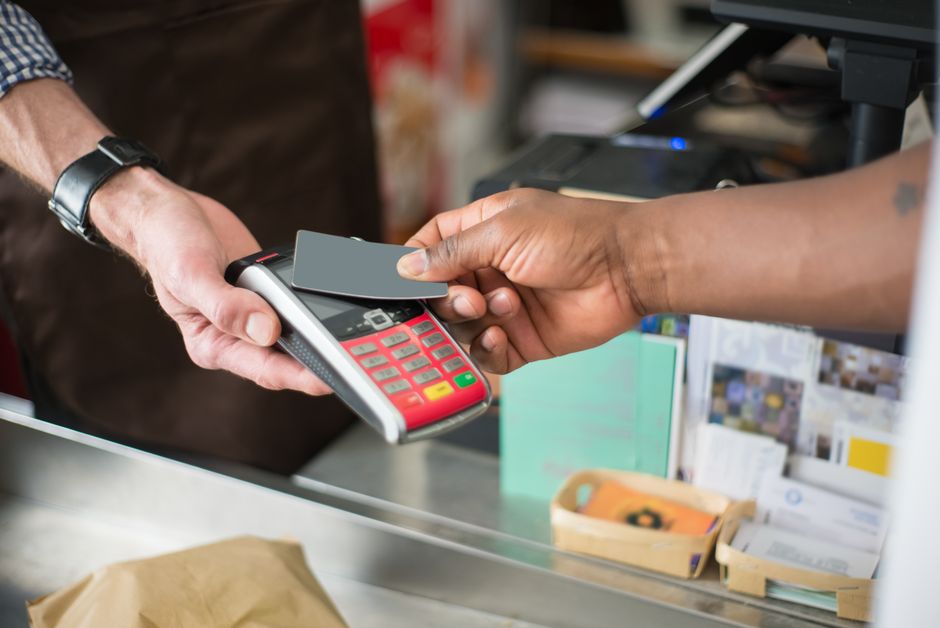
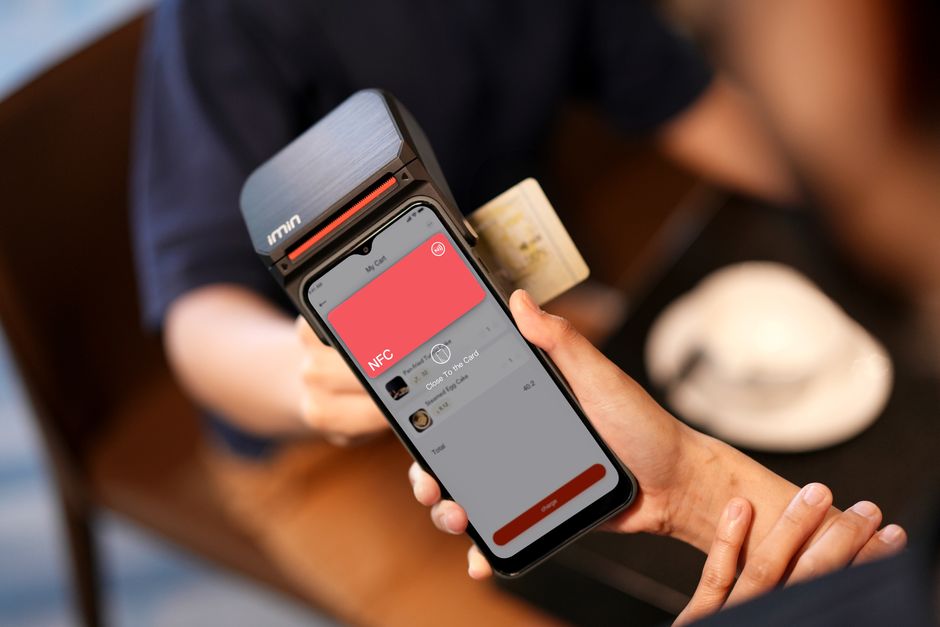
SIM-card enabled POS hardware means Point-of-Sale devices with a built-in Subscriber Identity Module (SIM) card. This SIM card lets the device hook right up to cellular networks — 4G LTE or 5G — to handle transactions and send data. Basically, your POS terminal becomes a smart device. It gets online all by itself, just like your phone.
They’re made for life on the go: tough, long battery life, and compact. You’ll find them as handheld terminals, tablet systems, or even integrated into self-service kiosks. The big plus? They’ve got their own connection. No need for local Wi-Fi.
How do cellular connections ensure reliability and speed?
Cellular connections give pop-up operations super reliability and speed. Unlike public Wi-Fi, which can be unreliable, jammed, or a pain to set up, cellular networks give you dedicated, strong data lines. So, fewer dropped sales and quicker processing. Even during rush hour or in packed places.
By 2026, modern 5G networks will be everywhere. They’ll offer fiber-like speeds and super-low lag, making transactions practically instant. Even 4G LTE provides plenty of bandwidth for typical POS operations. Consistent connection is huge here. Slow or failed sales can kill your revenue and tick off customers at a busy pop-up.
What security advantages does cellular POS offer?
Security matters for any payment system. And cellular POS hardware beats open Wi-Fi networks hands down. Transactions over cellular networks are just safer. Data’s usually encrypted and sent over private, dedicated cellular lines. That cuts the risk of interception and data breaches, which often hit public Wi-Fi.
Plus, lots of cellular POS systems have built-in advanced security. Think EMV chip card readers and point-to-point encryption (P2PE). These protection layers mean sensitive customer info — like card details — stays safe. From when you swipe it until it hits the payment processor. Good security builds trust and keeps your business safe financially.
Beyond Payments: Comprehensive Benefits of Cellular POS for Modern Pop-Up Kiosks
SIM-card enabled cellular POS does way more than just process payments. Modern pop-up kiosks depend on squeezing every last drop out of opportunities. So these systems offer a bunch of integrated features that really boost overall operations.
These benefits make for a more professional, efficient, and profitable pop-up. From stock management to understanding what customers want, cellular POS gives you the data and control you need to win in tough temporary markets. It lets vendors operate with the same smarts as established stores.
How does cellular POS streamline inventory management?
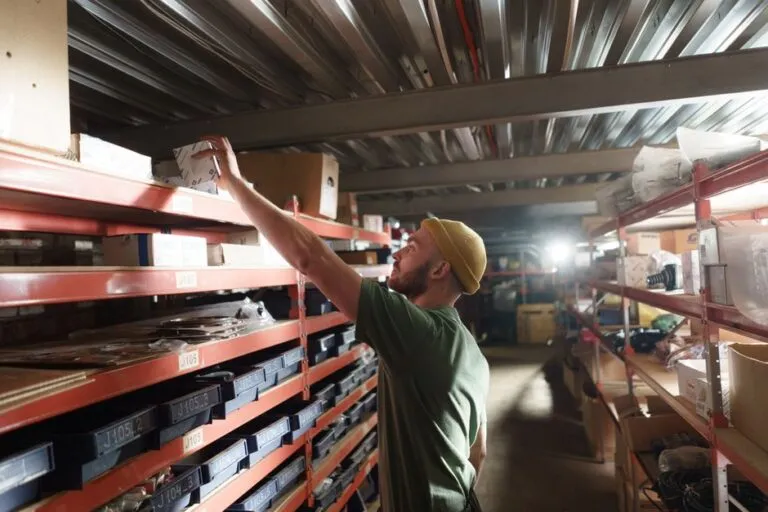
Good inventory management is key for pop-ups. Space is tight, and stock moves fast. Cellular POS systems sync sales data with inventory levels in real-time. Sell something? The system immediately updates stock across all channels. That stops overselling and keeps your records straight.
This instant data means vendors always know what’s in stock, what to reorder, and what’s flying off the shelves. It cuts down on manual checks and errors. And it lets you restock fast, which is critical for keeping momentum during a short event. Businesses can adjust inventory on the fly. No running out of stock, no piles of unsold stuff.
What data insights can pop-up vendors gain?
Real-time data is gold for any business, especially agile pop-ups. Cellular POS hardware grabs key sales numbers, customer buying habits, and product performance data as transactions happen. You can access this info instantly through cloud dashboards. So, vendors can track sales trends all day long.
Vendors can spot busy selling times, popular products, and average transaction amounts. This helps them make smart choices about pricing, staffing, and future products. Know your customers and what they like? You can tailor promotions and improve marketing. That means more profit down the line. By 2027, data-driven pop-up strategies are expected to dominate the market.
How does it improve customer experience and retention?
A smooth, secure checkout? That really ups the customer experience. Leads to happier people and more repeat business. Cellular POS makes sure transactions are quick and error-free. So, less waiting, fewer annoying glitches. That kind of professionalism leaves a good impression.
But it’s not just about speed. These systems usually handle all sorts of payment methods: contactless, mobile wallets, EMV chip cards. They cater to everyone. Offer loyalty programs, grab customer contact info right at the point of sale? That helps keep customers too. Then, personalized follow-ups can turn one-time visitors into loyal customers for future events or online stores.
Choosing the Right Cellular POS Solution for Your Pop-Up
Picking the right cellular POS solution is a big strategic move for any pop-up entrepreneur. There are tons of options out there. Your choice really depends on your specific business needs, how big you are, and your budget. You’ve got to check out different features and think about future growth when you’re making this investment.
Get it right, and the system can drastically improve how you operate, secure transactions, and give you valuable business insights. But pick poorly, and you’re looking at lost sales, frustrated customers, and needless operational headaches. Thinking it through ensures your pop-up gets the right tech support.

What features should you prioritize in cellular POS hardware?
When you’re choosing cellular POS hardware, some features are more important than others. First off, connectivity is huge. Make sure it supports 4G LTE, and ideally 5G, to future-proof it. Battery life is another big one. Power outlets might be hard to find at pop-ups, so shoot for devices with at least 8-10 hours of run time.
Durability and portability? They’re also key. Your device will get moved a lot and face all sorts of weather. So, look for tough builds and compact designs. Finally, think about how easy it is to use, if the interface is intuitive, and if it works with your preferred payment processor and inventory software. Built-in receipt printers and barcode scanners can make things even smoother.
How do you evaluate network coverage and data plans?
You absolutely have to check network coverage and data plans before picking a cellular POS provider. Look into the cellular network strength where you usually set up. Most providers have coverage maps. But really, test it yourself with your phone in those spots for a better idea.
As for data plans, think about how many transactions you expect. And any other data use, like syncing inventory or capturing customer info. Pick a plan that gives you enough data for a fair price. And get options to scale up when things get busy. Some providers even have special business data plans just for POS. Those can save you money. Just make sure it’s fast enough for quick sales.
What are the future trends in pop-up retail technology?
By 2028, pop-up retail tech is heading for even more integration and smart features. Expect more AI-powered analytics. It’ll predict demand and personalize customer experiences instantly. Augmented Reality (AR) will probably get bigger too. Customers can virtually try on products or see items in their own space.
Self-service kiosks, packed with advanced cellular POS, will be everywhere. They’ll offer totally autonomous buying experiences. Plus, sustainable tech and eco-friendly payment options will become popular. It’ll still be all about creating smooth, super-personalized, data-driven customer experiences. And robust, always-on cellular connectivity will power it all.
Maximizing Profitability: When Modern Pop-Up Kiosks Depend on Scalable Solutions
For modern pop-up kiosks depend on making money and growing, picking scalable cellular POS solutions isn’t even a question. Scalability? That means your system can grow with your business. It’ll handle more transactions, more staff, and new locations without a total rebuild. Thinking ahead like this saves you money and keeps things running smoothly long-term.
If you invest in a scalable solution from the start, you avoid expensive upgrades and disruptions later on. It lets businesses reach further, try out different pop-up styles, and really pump up their revenue in a tough market. A truly flexible system lets you adapt fast to changing business needs and market demands.
How can businesses scale operations with cellular POS?
Businesses can scale easily with cellular POS. Just pick systems that handle multiple devices and user accounts, all under one admin dashboard. That means it’s simple to roll out more terminals as you add pop-up spots or staff. Cloud-based management? That’s key for scalability. They let you control inventory, sales data, and employee permissions from one place. Doesn’t matter how many kiosks you’re running. This streamlined management cuts admin work and keeps things consistent everywhere you sell. And integrating with other business tools – like CRM and accounting software – makes scaling even better. It builds one big, unified system.
What are the cost efficiencies of cellular-enabled systems?
Cellular POS systems save you real money, especially for pop-ups. The main saving? No need for traditional internet installation or monthly fees at every temporary spot. No expensive wiring, no Wi-Fi router to buy. Plus, being mobile and quick to deploy cuts labor costs for setup and takedown. Real-time inventory management means less waste and no stockouts. Both hit your bottom line. And by using strong cellular networks, businesses cut down on downtime from connectivity problems. That directly prevents lost sales. All these things together make cellular POS a really smart, economical choice for agile retail.
Frequently Asked Questions
What is the primary benefit of cellular POS for pop-up kiosks?
The primary benefit is super mobility and a guaranteed connection, allowing pop-up kiosks to operate reliably anywhere without relying on outside internet infrastructure.
Are cellular POS transactions secure?
Yes, cellular POS transactions are very secure, often more so than public Wi-Fi. Data is usually encrypted and sent over private cellular networks, reducing the risk of interception and fraud.
Can I track inventory in real-time with cellular POS?
Absolutely. Most modern cellular POS systems work with cloud inventory management. That means real-time updates and accurate stock tracking as sales happen, no matter where you are.
Do I need a separate data plan for each cellular POS device?
Typically, each SIM-card enabled POS device will need its own data plan, just like a smartphone. However, some business plans allow for shared data across multiple devices under one account.
What happens if cellular coverage is weak at my pop-up location?
If cellular coverage is weak, transactions might be slower or temporarily unable to process. It’s crucial to check network coverage in your planned locations before setting up. Some devices also offer offline processing capabilities that sync once a connection is reconnected.
Is cellular POS hardware expensive compared to Wi-Fi based systems?
Initially, cellular POS hardware might cost a bit more because of the built-in cellular modem. But over the long run, it’s often more cost-effective for pop-ups. Think about all those eliminated internet setup fees, less downtime, and improved mobility. These factors usually make it the better financial choice.