
Quick answer: Modern hardware stores require specialty POS software for hardware stores to accurately manage sales and inventory of fractional quantities, such as cut-to-length materials or bulk items. This specialized software enhances operational efficiency, improves inventory accuracy, and boosts profitability by eliminating manual errors and optimizing pricing for partial product sales.
Key Takeaways
- Traditional POS systems struggle with the complex inventory and pricing demands of fractional quantities.
- Specialty POS software offers precise unit-of-measure conversions and flexible pricing rules for partial sales.
- Implementing advanced POS solutions significantly improves inventory accuracy, reduces waste, and enhances customer satisfaction.
- Integrated CRM and vendor management features within specialty POS systems streamline overall store operations.
- The future of hardware retail in 2026 demands cloud-based, mobile-friendly, and AI-powered POS systems for competitive advantage.
Modern hardware stores need specialty POS software for hardware stores if they want to succeed. Unlike most retail environments, hardware stores have a real head-scratcher: selling fractional quantities with total precision. So, you can’t just use any old Point of Sale (POS) system. You need one that’s way more sophisticated. It has to manage everything from a few feet of electrical wire to a handful of nails or just a fraction of a paint gallon, and do it all perfectly.
Running a hardware store means dealing with tons of products. And many of them sell in odd units or get broken down from bigger stock. Without a system that can handle all these tricky situations, stores run into big inventory problems, pricing mistakes, and lost money. The right POS isn’t just a nice-to-have; it’s absolutely essential for keeping your store profitable and your customers happy in this specialized business.
Why Do Modern Hardware Stores Need Specialty POS Software for Fractional Quantities?
The daily grind of a hardware store often shows just how limited generic POS systems are. Think about it: standard retail software usually assumes you’re selling whole items. Each product has a set price, a consistent unit. But that’s just not how hardware stores operate.
Fractional quantities really trip up those standard POS solutions. We’re talking about selling lumber by the foot, pipe by the inch, or bulk fasteners by weight. These systems struggle to track inventory accurately once an item gets broken down over and over. And they certainly don’t have the flexibility to price things dynamically, whether it’s for fractions of a unit or custom cuts.

This lack of capability leads to clunky workflows and manual calculations that are just begging for errors. Plus, you lose real-time insight into what you actually have on the shelves. Such inefficiencies directly hit your bottom line and make it harder to serve your customers well. So, a specialized system isn’t just an upgrade for 2026; it’s a core requirement for any modern hardware store aiming for precision and profit.
What Challenges Do Fractional Quantities Pose?
Handling fractional quantities throws up several big challenges for hardware retailers. For one, keeping inventory accurate feels like an uphill battle. If you’re selling a roll of fencing in sections, or a bag of sand by the scoop, tracking what’s left without a purpose-built system becomes incredibly tough. This often means you’re either overstocked or completely out of something, and both cost you money.
Then there are the pricing headaches. When items sell in variable units, calculating the price per foot, per pound, or per square meter manually for every single transaction eats up time. And it practically invites human error. Those errors can quickly chip away at your profits or just annoy customers with inconsistent prices.
And don’t forget waste. Without precise tracking of how you use up fractions, it’s really hard to spot waste patterns or buy inventory smarter. A system that can precisely record every partial sale helps stores cut down on unused remnants and squeeze maximum value from every bulk purchase.
How Does Specialty POS Software for Hardware Stores Handle Fractional Quantities?
Specialty POS software for hardware stores is built from the ground up to conquer the unique hurdles that fractional quantities present. These systems pack advanced features that let you measure precisely, price flexibly, and manage inventory seamlessly for partial items. They take what used to be a really clunky process and turn it into an efficient, automated workflow.
The heart of this software is its strong unit-of-measure conversion ability. You can enter a single product, say a 500-foot roll of cable, into the system using its primary unit. But you can sell it in secondary units, like feet or meters. The POS then automatically figures out what’s left and adjusts the price based on the selected unit and quantity. That means accuracy for every sale.

This level of precision also extends to how you price things. Hardware stores can set up tiered pricing for fractional quantities. They can offer discounts for bigger fractional purchases. Or they can even add custom cutting charges right there in the system. Not only does this optimize your pricing strategies, but it also makes customers happier with clear, consistent costs.
What Features Are Essential in a Hardware Store POS System?
Beyond handling fractional quantities, a few other features are absolutely key for a hardware store POS system. Unit-of-measure conversion, which we just talked about, is at the top of the list. It lets you sell items like lumber by the linear foot or paint by the fractional gallon directly from larger stock units.
Customizable kits and bundles are also super helpful. Hardware stores often sell related items together, like a faucet repair kit that includes specific washers, O-rings, and tools. The POS should let you build these bundles, track their components, and automatically deduct inventory when sold.
Integrated Customer Relationship Management (CRM) tools are another must-have. They help you capture customer purchase history, preferences, and contact info. This data lets you run personalized marketing campaigns, set up loyalty programs, and offer better service. Finally, solid vendor management features smooth out ordering, receiving, and returns. This keeps your stock levels just right and builds strong relationships with suppliers.
What Are the Key Benefits of Implementing Modern Specialty POS Solutions?
Rolling out modern specialty POS solutions brings a ton of advantages that really boost a hardware store’s operations and bottom line. The biggest win? Way better profitability. By accurately tracking fractional quantities and using precise pricing, stores stop losing money from wrong calculations or sales that never got rung up.
Operational efficiency also gets a huge shot in the arm. Automated inventory adjustments, faster checkouts, and streamlined ordering mean less time spent on paperwork. This frees up your team to focus on helping customers and doing more valuable work. And that leads to a more productive staff and a much better shopping experience for everyone.
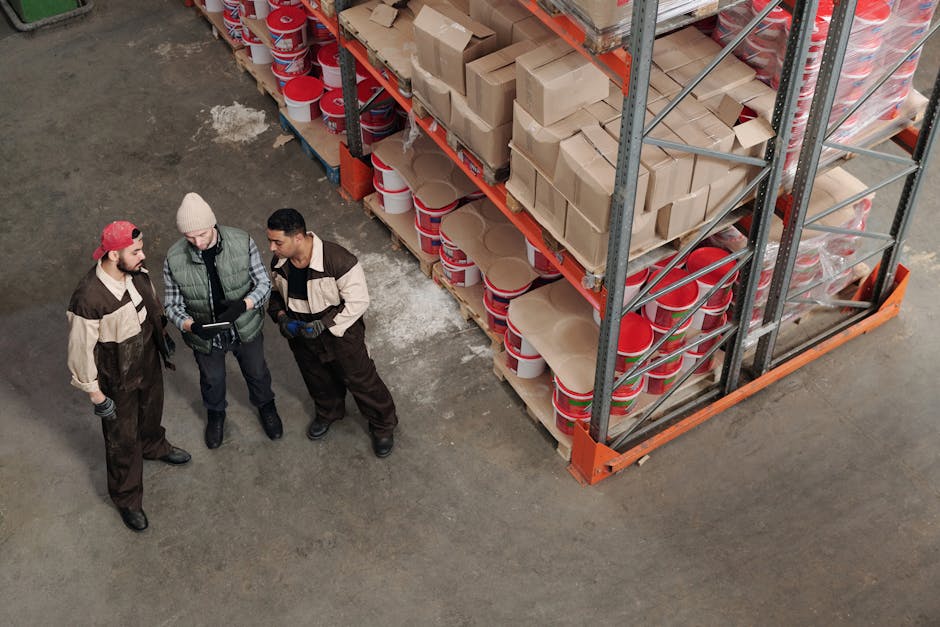
But wait, there’s more! These systems give you incredibly useful data for making smart decisions. With real-time sales, inventory, and customer data, store owners can pinpoint best-selling products, optimize stock levels, and fine-tune promotions. That kind of strategic insight is exactly what you need to stay competitive and react fast to market demands in 2026.
How Can POS Streamline Store Operations?
A specialized POS system plays a massive role in making different parts of your store run smoother. It speeds up the checkout process big time, cutting down customer wait times and making them happier. Barcode scanning and automated price lookups are built right in, ensuring quick, accurate transactions even for tricky fractional sales.
Inventory management almost becomes effortless. You can set up the system to automatically flag items for reorder when stock levels – even for fractions of items – dip below a certain point. This smart reordering stops you from running out of popular stuff and prevents overstocking slow-moving inventory.
And it helps with employee management too. With integrated time clock features, sales performance tracking, and custom access permissions, the POS makes managing your staff easier. Managers can track sales, figure out who needs more training, and keep everyone accountable. It all adds up to a more organized and effective team.
Preparing for the Future: Embracing Advanced POS for Hardware Retail in 2026 and Beyond
Retail keeps changing, so modern hardware stores must adopt advanced POS technologies to stay competitive and secure their future. The move to cloud-based solutions is happening, no doubt about it. Cloud POS offers incredible flexibility; store owners can access data and run things from anywhere, anytime.
Mobile POS capabilities are quickly becoming a must-have, too. Give your staff handheld devices, and they can make sales right on the floor, look up inventory instantly, or even handle checkout on the go. That improves the customer experience and boosts efficiency. This kind of agility is particularly great for big hardware stores with tons of products.

Plus, seamless e-commerce integration is super important for stores selling through multiple channels. A specialized POS system should effortlessly link your online sales with your in-store inventory. That way, stock levels are accurate everywhere. This unified approach gives customers a consistent shopping experience, whether they’re buying in person or online.
Looking ahead, AI-powered analytics will only get more important. These sophisticated features can predict what people will buy, set optimal prices, and even suggest personalized recommendations. That gives hardware stores a real edge. By embracing these tech advancements, modern hardware stores will be ready for all the challenges and opportunities 2026 and beyond throw their way.
Frequently Asked Questions
What is a fractional quantity in hardware retail?
A fractional quantity refers to selling a portion of a larger unit, such as cutting lumber to a specific length, selling pipe by the foot, or dispensing bulk fasteners by weight, rather than selling the entire product unit.
How does specialty POS improve inventory accuracy for hardware stores?
Specialty POS systems improve accuracy by automatically converting primary stock units into fractional sales units, precisely deducting the sold quantity, and providing real-time updates on remaining stock, thereby minimizing manual errors and discrepancies.
Can specialty POS software handle custom pricing for unique cuts?
Yes, advanced specialty POS software is designed to accommodate custom pricing, allowing hardware stores to set up dynamic pricing rules, apply service charges for custom cuts, and manage varied pricing structures for fractional items.
Is integrated CRM important for hardware store POS?
Absolutely. Integrated CRM capabilities help hardware stores track customer purchase history, manage loyalty programs, and personalize interactions, leading to stronger customer relationships and repeat business.
What are the benefits of cloud-based POS for hardware stores?
Cloud-based POS offers benefits such as remote access to data, automatic software updates, enhanced data security, and scalability, allowing hardware stores to manage operations efficiently from any location and adapt as their business grows.