Quick answer: Automated cold chain temperature management is crucial for preserving the integrity of temperature-sensitive goods during storage and transit. Implementing advanced sensor software provides real-time monitoring, alerts, and data logging, significantly reducing spoilage and ensuring compliance with stringent regulatory standards. This proactive approach minimizes manual errors and enhances operational efficiency across the entire supply chain.
Key Takeaways
- Automated systems keep tabs on temperatures in real-time, so you don’t need manual checks. That cuts down on human error.
- Sensor software platforms pull all your data into one place, giving you useful insights for compliance and making things run better.
- Proactive alerts stop temperature problems before they ruin products, protecting quality and cutting waste.
- It’s easier to follow rules from groups like the FDA and HACCP because automated systems handle data collection and reporting for you.
- Bringing in automated temperature management boosts visibility across your supply chain and makes everything more efficient.
Why is Precise Temperature Control Critical in Cold Chains?
Keeping temperatures just right is super important for any industry that handles perishable goods. Even a small slip can degrade products big time, making them unsafe or useless. And that, of course, harms public health and makes consumers lose trust.
Take pharmaceuticals, for example. Many medications need exact temperature ranges to stay effective and stable. Vaccines, biologics, and certain drugs? They can get ruined if they’re exposed to the wrong conditions. Food products, like fresh produce, dairy, and frozen items, also need strict temperature control to prevent bacteria and spoilage. That’s how we keep food safe.
What are the Risks of Inadequate Temperature Management?
If you don’t manage temperatures well, you’re setting yourself up for big financial and reputation problems. Spoiled products mean a ton of waste, higher operating costs, and real money lost from inventory you have to throw away. But that’s not all. Ignore the rules, and you could face huge fines, legal trouble, or even have to shut down your business.
And it’s not just the immediate financial hit. A damaged brand reputation can stick around for ages. People expect good, safe products. Mess up the cold chain, and they won’t trust you anymore. All this just shows how much we need tough, dependable ways to watch temperatures.
What are the Core Components of Automated Cold Chain Temperature Management?
Good automated cold chain temperature management needs a mix of hardware and software that work together. They give you full control, from making the product to selling it. Bring them together, and you get steady, dependable data, plus the ability to jump in before things go wrong.
Basically, the system grabs environmental data, crunches it, then shows it to you in a way that makes sense and helps you act. You really need to see everything, start to finish, to keep product integrity intact, no matter the storage or transport conditions. Modern systems are made to grow and change with what you need, fitting various cold chain demands.
How Does Sensor Technology Enhance Cold Chain Monitoring?
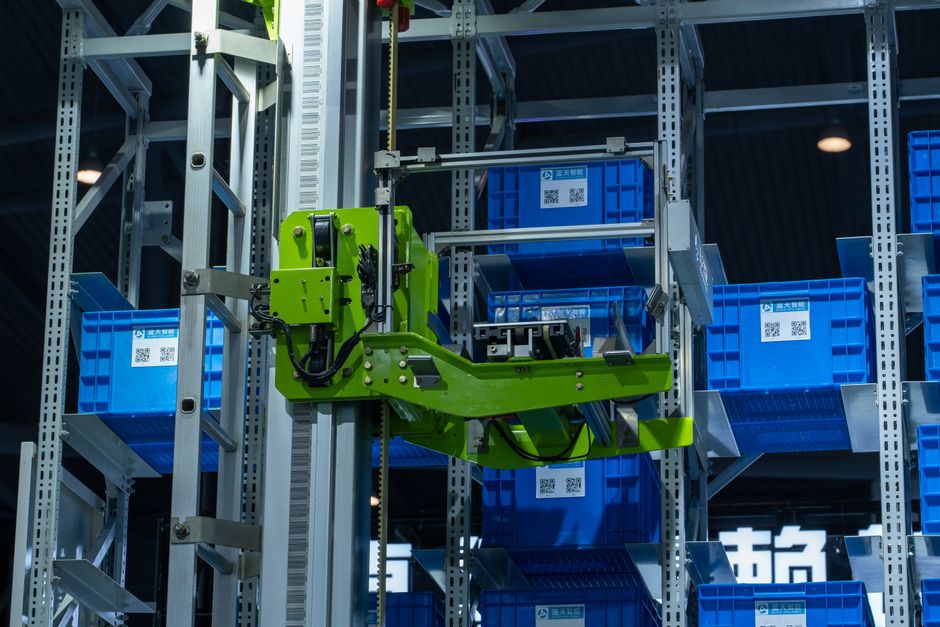
Wireless sensors are the core of modern temperature monitoring. We place these devices strategically within storage units, transportation vehicles, and throughout facilities. They constantly track temperature and humidity levels. Lots of them use stuff like Bluetooth Low Energy (BLE), Wi-Fi, or LoRaWAN. That sends data efficiently, saves battery, and covers a wider area.
Better sensors usually come with calibration certificates. That means they’re accurate, and they meet industry rules. They don’t just measure temperature, though. Some also track humidity, how much light hits them, or even shock. That gives you a complete picture of how products are doing. And this detailed data? It’s vital for spotting problems fast.
What are the Benefits of Real-Time Data and Alerts?
Getting data in real-time? That’s a huge shift for keeping cold chains safe. Forget manual checks or figuring things out after they’ve gone wrong. Facility managers and logistics people get instant updates on conditions. That instant feedback lets you make quick decisions and fix things when temperatures go out of whack.
Alerts automatically ping the right people, whether by text, email, or on a dashboard. They kick in if temps go too far, stopping products from sitting in unsafe conditions for too long. Say a freezer breaks down. You’ll know in minutes and can deal with it, maybe saving a whole batch of expensive stuff from spoiling. This kind of proactive work cuts down on waste big time.
How Does Automated Software Centralize and Analyze Data?
Sensor data zooms wirelessly to a central software platform. It’s usually in the cloud. This software basically runs the show for automated cold chain temperature management. It collects, stores, and analyzes tons of data, giving you a full picture of your entire cold chain operation.
Easy-to-use dashboards let you see temperature trends, spot weird stuff, and pull detailed reports. Sometimes, the software can even guess problems before they happen, using old data and current trends. That means you can do maintenance preventatively. Plus, many platforms keep solid audit trails, logging every data point and click. That’s for compliance and quality control. So, yes, this centralized approach really simplifies management.
How Does Automated Cold Chain Temperature Management Ensure Regulatory Compliance?
Meeting strict regulations isn’t optional for industries running cold chains. Groups like the FDA and organizations that set standards, such as HACCP, demand tight temperature control and paperwork. Automated systems make this whole tricky thing easier. You stay compliant without tons of manual work.
By automating data collection and reporting, businesses can easily show they’re compliant during audits. A messed-up cold chain directly affects public health, so strong, verifiable records are a must. Automated solutions give you the transparency and accountability you need.
What are the Regulatory Standards for Cold Chains?
Lots of regulations cover temperature control in cold chains. It really depends on the industry and where you are. For pharmaceuticals, the FDA’s Good Distribution Practices (GDP) and European Medicines Agency (EMA) guidelines? They’re super important. They spell out what’s needed for storage, transport, and paperwork to keep products safe and high quality.
In food, we use HACCP principles a lot to find and control possible dangers. That means setting Critical Control Points (CCPs) for temperature at different steps. Automated systems keep an eye on these CCPs constantly. You get an unbroken compliance record, and fewer human mistakes logging data. Compliance isn’t just an option; it’s fundamental.

How Do Automated Systems Simplify Audits and Documentation?
One big upside of automated cold chain temperature management is how much easier it makes audits. Old-school manual logging? It’s error-prone, takes ages, and often just isn’t solid enough for regulators. But automated systems give you an unchangeable, timestamped record of every bit of temperature data.
The software whips up full reports on demand, showing temperature profiles, when things went wrong, and what was done to fix them. That kind of detail and accuracy really speeds up audits, saving you time and money. Auditors can check compliance fast, trusting the data collected automatically. This digital trail? It’s invaluable for accountability.
What are the Operational Benefits of Implementing Automated Solutions?
It’s not just about compliance and avoiding risks. Automated temperature management systems offer big operational perks too. That means better efficiency, lower costs, and a better-performing supply chain overall. Putting money into this tech pays off in lots of ways.
From saving on labor to cutting energy use, automation’s effects are huge. Companies get a better handle on their operations, leading to constant improvements and smarter decisions. So, the whole cold chain gets a lift.
How Do Automated Systems Reduce Labor Costs and Human Error?
Manual temperature checks? They’re a pain, repetitive, and easy for people to mess up. Staff waste precious time writing down readings, often several times a day in many different spots. Automated systems totally wipe out that manual chore. Sensors just keep monitoring, letting your people work on tougher jobs that need their brains and skills.
Cutting down on human error is just as big a deal. No more wrong readings, missed checks, or bad data entry with automated logging. That keeps your data accurate, and accuracy is vital for compliance and product quality. Automation gives you a consistency no human process can match. It just works reliably.

Can Automated Systems Optimize Energy Consumption?
Automated temperature monitoring can even help you use less energy within your cold storage facilities. With precise, real-time data on temperature ups and downs, facilities can pinpoint inefficient fridges or spots where temps jump too much. Then you can target maintenance or tweak HVAC systems, stopping you from wasting power.
Some fancy systems can even link up with building management systems (BMS) to smartly control refrigeration based on how much stuff is there and what the environment’s like. That kind of proactive energy management doesn’t just cut running costs; it helps the planet too. Efficient energy use is a growing priority for businesses, and this really helps.
What Future Trends are Shaping Cold Chain Technology?
Cold chain management keeps changing. Tech pushes it forward, and people want more transparency and sustainability. Think 2026 and later: some big trends will totally reshape how we deal with and watch sensitive goods. These innovations promise even greater efficiency and resilience.
The future’s all about predicting things, better connections, and really strong data security. These steps will make cold chains even smarter and quicker to react. We want to stop just reacting and instead prevent problems, making everything run perfectly.
How Will AI and Machine Learning Impact Cold Chains?
AI and machine learning (ML)? They’re about to totally change automated cold chain temperature management. They can look at huge amounts of sensor data, spot tiny patterns, and even predict temperature problems before they happen. Like, an AI might learn that one freezer always acts up on certain days or when specific conditions hit.
Being able to predict things means you can schedule maintenance ahead of time and tweak storage settings on the fly. That stops small issues from blowing up. AI can also figure out the best routes for temperature-controlled deliveries, looking at weather and traffic to cut down travel time and keep things just right. Moving from just reacting to actually predicting? That’s a huge change.
What Role Will IoT and 5G Play in Enhanced Connectivity?
The Internet of Things (IoT) is already a big part of sensor tech. But with its continued expansion, coupled with 5G coming in, it’ll open up crazy levels of data transfer and real-time reaction. 5G is fast and can handle tons of data. That means more sensors can talk at once, quicker, giving us an even closer look at cold chain conditions.
Better connectivity will make global monitoring truly seamless. Data will flow steadily, even in faraway places or on long trips. You’ll be able to track individual pallets or even specific products in real-time. That gives you incredible transparency across the whole supply chain. The ubiquitous nature of IoT will redefine logistics as we know it.
Why is Data Security Crucial in Automated Systems?
Automated cold chain temperature management systems collect and send sensitive data. So, rock-solid cybersecurity? That’s non-negotiable. You have to protect this data from hackers, manipulation, or other cyber threats. It’s critical for keeping the cold chain intact and staying compliant. Breaches can mean serious trouble.
Future systems will just come with advanced encryption, multi-factor authentication, and secure cloud setups. People are even looking at blockchain tech. It could create unchangeable, transparent records of temperature data, building even more trust and security in the cold chain. Data integrity is the foundation of trust, after all.
Frequently Asked Questions
What is a cold chain, and why is temperature control so important?
A cold chain is basically a temperature-controlled supply chain. It keeps specific conditions for perishable products. Temperature control is vital because it preserves product quality, safety, and how well it works, stopping spoilage, degradation, or bacterial growth.
How often do automated sensors typically record temperature data?
You can set automated sensors to record temperature data at custom intervals. Often, that means every few minutes or even seconds. This frequency gives you a super detailed, continuous record of conditions.
Can automated cold chain temperature management systems integrate with existing warehouse management software?
Yes, absolutely. Most modern automated temperature management systems are built with API (Application Programming Interface) capabilities. That lets them link up smoothly with your existing Warehouse Management Systems (WMS) or Enterprise Resource Planning (ERP) software, making operations and data flow much smoother.
What happens if a sensor detects a temperature excursion?
If a sensor spots a temperature problem, the automated system immediately sends alerts to specific people. Those alerts can come via email, text, or app notifications. This means someone can investigate and fix the issue fast, protecting your product.
Are automated temperature monitoring systems expensive to implement?
The initial cost for automated temperature monitoring systems can vary a lot. But the long-term benefits – like less spoilage, saving on labor, and better compliance – usually mean you’ll see a significant return on your investment within a few years, often by late 2027.
What kind of products benefit most from automated cold chain management?
Products that get the most benefit include pharmaceuticals (think vaccines and biologics), fresh and frozen foods (produce, dairy, meat), chemicals, and certain sensitive electronics. Really, any item with specific environmental storage requirements sees big advantages.