Quick answer: Specialty bakeries require production planning modules integrated with daily POS systems. Why? It helps them truly nail demand forecasting, optimize inventory, and smooth out their often-complex production. This kind of integration means data flows in real-time. That cuts waste, boosts profits, and keeps production perfectly in sync with what’s actually selling and what customers want, well into 2026 and beyond.
Key Takeaways
- Integrated production planning just makes things run better for specialty bakeries.
- POS data gives you real, immediate insights to forecast demand accurately.
- Optimizing ingredient inventory means less waste and fresher goods.
- Automated scheduling makes your team more efficient and keeps products stocked.
- Seeing all your data clearly leads to smarter business choices.
- Integration helps you earn more and keep customers happy in a tough market.
Why Specialty Bakeries Really Need Production Planning
Specialty bakeries absolutely require production planning to handle their unique daily grind. Think about it: a huge range of products, ingredients that spoil fast, and demand that can swing wildly. They aren’t mass-producing loaves; they’re often crafting custom cakes, seasonal treats, and bespoke orders. So, getting resources right is critical. Good planning makes sure every croissant, cake, or artisan bread gets made at the exact right time, in the right amount, with barely any waste.
This isn’t just about guessing. It means forecasting sales, keeping an eye on ingredient stock, scheduling your team, and coordinating those baking cycles. Without solid production planning, these bakeries often trip up. They might overproduce and toss out unsold goods. Or they underproduce and miss out on sales. And their valuable team members might not be used efficiently. The whole point is to hit that sweet spot: freshness, variety, and profit, all while competing in a crowded market.
What Happens When Bakeries Skip Proper Planning?
When specialty bakeries don’t plan properly, they run into a whole host of problems that hit their bottom line and their good name. For starters, product availability becomes a lottery. Your regulars might show up, find their favorite item gone, and leave disappointed. That hurts loyalty. But then, if you overproduce, you’re just throwing away good ingredients and labor on stuff that doesn’t sell. There goes your profit.
Managing perishable ingredients turns into a total nightmare without foresight. Fresh produce, dairy, those special flours – they don’t last long. Order too much, or the wrong thing, and you’re looking at huge spoilage costs. And labor scheduling? It gets chaotic. If your team doesn’t have clear production targets, they might stand around during slow times or get completely swamped during rushes. That impacts morale, and productivity takes a nosedive. All these inefficiencies add up, making it tough to grow or even just keep things running smoothly.
How Does Production Planning for Specialty Bakeries Drive Efficiency?
Production planning really boosts how efficiently specialty bakeries operate. It puts a system around every single step of the baking process. It all kicks off with super precise demand forecasting, which then tells you what ingredients to buy. Knowing exactly what to get and when means you cut down on how long ingredients sit around and how much spoilage you have. Plus, your ingredients are always fresh and ready to go.
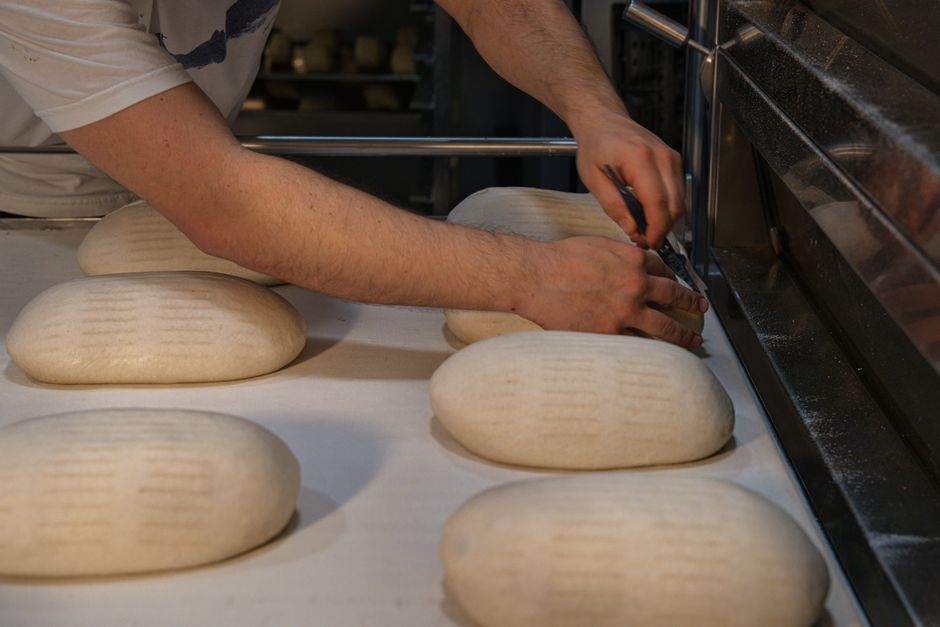
Then, these planning modules take those sales forecasts and turn them into detailed production schedules. We’re talking about assigning specific baking tasks, figuring out who does what, and optimizing oven usage and cooling times. This kind of detailed scheduling smooths out kinks, keeps the workflow steady, and makes sure you consistently produce high-quality goods. It also lets you plan equipment maintenance proactively, so unexpected breakdowns don’t throw everything off.

And labor efficiency? That improves big time. With clear schedules, your team knows their roles and responsibilities. That means higher productivity and better use of your skilled bakers. This streamlined way of working minimizes downtime and reduces the need for costly overtime. Ultimately, smart production planning takes potential chaos and turns it into a well-oiled, profitable machine.
What Role Do Production Planning Modules Play in a Modern Bakery?
Production planning modules are clever software tools. They’re built to automate and fine-tune all the complicated stuff that goes on in a bakery. Think of them as the central hub for your entire operation, pulling in different data points to create one clear production strategy. They go way beyond simple spreadsheets, offering advanced features like managing recipes, generating bills of materials (BOM), and figuring out your capacity.
For today’s specialty bakeries, these modules are indispensable if you want to grow and keep your quality high. They help you handle intricate recipes with total precision, track ingredient use down to the gram, and make sure you’re following all dietary and allergen rules. And because they give you a live look at inventory and how production is coming along, managers can make smart decisions fast, whether that’s reacting to market changes or unexpected problems.
Why Integrate Production Planning Modules with Daily POS?
Integrating your production planning modules with your daily Point of Sale (POS) system changes everything for specialty bakeries. A production plan on its own, no matter how good, usually relies on old data and manual updates. But hooking it up to your POS? That gives you a direct, real-time stream of actual sales figures. It makes forecasting incredibly accurate and responsive. And in a fast-paced retail world where trends can shift overnight, this seamless data exchange is absolutely vital.
Daily POS data offers super detailed insights: what sold, when it sold, and in what amounts. This information is gold for tweaking production schedules, spotting popular items, and predicting future demand with much greater accuracy. It lets bakeries stop reacting and start planning ahead. So, you always have the right products available at the right time, cutting waste and grabbing every sales opportunity. This holistic approach empowers a bakery to run with incredible flexibility and insight.
How Does POS Data Make Demand Forecasting More Accurate?
POS data directly sharpens demand forecasting because it gives you the most current, specific sales information possible. Old-school forecasting often just leaned on historical trends or a gut feeling, and those can be unreliable in today’s market. But with POS integration, every single transaction, every sale, gets logged immediately and fed right into your production planning system.
This real-time data lets the system spot patterns, track how sales ebb and flow by the day or even by the hour. It can even pick up on the impact of promotions or how the weather affects things. Say a new pastry suddenly becomes a massive hit. The system can instantly tweak the next day’s production targets, so you don’t run out. This precision means less guesswork and ensures your production numbers truly match what your customers are actually buying.
What Are the Benefits of Real-time Inventory Management?
Real-time inventory management, which comes directly from integrating POS with production planning, brings huge advantages to specialty bakeries. First off, it drastically cuts down on wasted ingredients. Knowing exactly what’s selling means bakeries can order and use ingredients just-in-time. That stops highly perishable items, like fresh fruit, cream, or those special artisan flours, from spoiling.
Second, it helps your cash flow. You don’t have capital tied up in tons of extra stock. You buy ingredients only when you need them, freeing up money for other operational costs or investments. And third? It guarantees freshness, which is a big deal for specialty bakeries. Ingredients move quickly from delivery, to production, to sale. That means customers always get the highest quality, freshest baked goods. This efficiency helps both your profits and your customers’ happiness.

How an Integrated System Optimizes Labor and Production Schedules
An integrated production planning and POS system fine-tunes labor and production schedules by giving you a clear, data-backed look at demand. With accurate sales forecasts from your POS data, bakeries can build detailed production schedules that perfectly match expected output. That means you can assign just the right number of staff to specific tasks during busy hours and reduce staffing during slower periods. No more having too many people or too few.
The system can also figure out the best order for baking tasks. For instance, it might group similar recipes that need the same oven temperature. That cuts down on changeover times and saves energy. This detailed scheduling makes sure ovens, mixers, and all your other critical equipment are used to their fullest. It reduces idle time and increases overall output, all without sacrificing quality. It truly turns the bakery floor into a super-efficient operation.
Can an Integrated System Make Customers Happier?
Absolutely, an integrated system makes customers much happier. It does this by consistently delivering fresh, high-quality products and ensuring their favorite items are always in stock. When production perfectly matches demand, customers won’t often see “sold out” signs for their beloved cakes or breads. That reliability builds trust, and it definitely encourages them to come back again and again.
What’s more, the efficiency you gain from smart inventory and production schedules often means fresher products on the shelves. Knowing that their treats were baked at just the right time for peak freshness boosts how customers perceive the value and taste. This consistent quality and availability is crucial for specialty bakeries looking to build a loyal following and stand out in a competitive market.
What Are the Long-Term Benefits of Integrated Planning?
The long-term benefits of integrated production planning modules for specialty bakeries are huge. They go way beyond just making daily operations efficient. First, you get incredibly valuable data for big-picture decisions. By digging into sales trends, production costs, and how ingredients are used over time, management can spot chances for new products, improve menus, and nail down pricing strategies for 2026 and beyond.
Second, it makes scaling up and expanding so much easier. As a bakery grows, things get complex fast. An integrated system gives you the structure to handle that complexity. It means new locations or bigger production volumes can be brought in smoothly, without sacrificing quality or efficiency. Third, it sharpens your competitive edge. Bakeries with better planning can react faster to market shifts, launch new products effectively, and keep healthier profit margins. That sets them up for lasting success in a dynamic industry.
How Does Seeing Your Data Clearly Help You Make Better Business Decisions?
Clear data visibility, a major plus of integrated systems, totally transforms business decisions. It gives you a complete, real-time picture of everything happening operationally. When bakery owners and managers have a dashboard showing sales trends, inventory levels, production progress, and labor costs, they gain incredible clarity. This takes away the guesswork and lets them base decisions on actual facts.
For example, if the cost of a certain ingredient jumps, the system can quickly figure out how that impacts the profitability of different products. This lets you make smart choices about adjusting prices or changing recipes. Or, if sales data shows certain items aren’t moving, you can decide to stop making them or run a promotion. This all-encompassing view of your data helps bakeries fine-tune pricing, manage promotions, and forecast big capital expenses more accurately. And that’s good for the business overall.
What Future Trends Impact Production Planning for Specialty Bakeries?
Several future trends will increasingly shape how specialty bakeries plan production, meaning even more sophisticated integrated systems will be essential. Customers will keep wanting more customization and personalized products. This means you’ll need flexible production schedules and smooth order management. Also, a growing focus on sustainability and cutting waste will push for even more precise inventory control and ingredient sourcing.
Automation and robotics might take on a bigger role in some baking tasks, especially repetitive ones. This means planning systems will need to connect with automated machinery. And with the rise of online ordering and delivery services, production plans must now consider various ways to fulfill orders and handle those last-mile logistics. These evolving trends just highlight how crucial advanced, integrated production planning solutions are if bakeries want to stay competitive and innovative for years to come.

Frequently Asked Questions
What is a production planning module?
It’s a software tool designed to manage and optimize everything involved in a manufacturing process, from getting raw materials to scheduling final products and getting them delivered.
How does a POS system connect with production planning?
A POS system links up by feeding real-time sales data directly into the planning module. This allows for immediate tweaks to forecasts, ingredient orders, and production schedules based on what’s actually selling.
Can integrated planning reduce food waste in bakeries?
Yes, absolutely. Integrated planning drastically cuts down on food waste. It gives you super accurate demand forecasts and helps with just-in-time inventory management, so you buy ingredients and bake products only as needed.
Is integrated production planning only for large bakeries?
Not at all. Integrated production planning helps specialty bakeries of all sizes. Even small operations can use it to optimize resources, lower costs, and improve efficiency, setting them up for growth.
What are the first steps to implementing an integrated system?
First, you’d typically figure out what your current operations truly need. Then, you’d pick the right software vendor, move over your existing data, and make sure your staff gets thorough training.