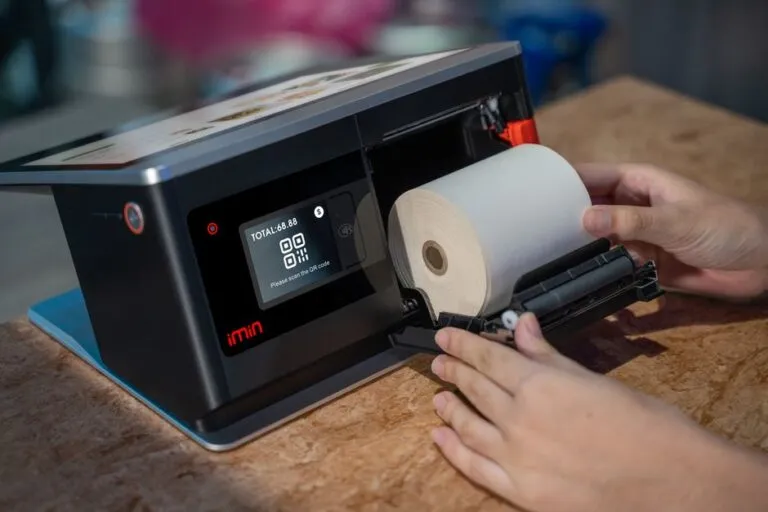
Quick answer: Growing retail businesses must choose open-platform POS hardware because it offers unparalleled flexibility, scalability, and integration capabilities essential for adapting to evolving market demands. This approach future-proofs operations, reduces vendor lock-in, and empowers retailers to build a customized technology stack that supports sustainable growth and enhanced customer experiences well into 2026 and beyond.
Key Takeaways
- Open-platform POS hardware means no vendor lock-in. You’re free to choose your software and peripherals.
- These systems scale beautifully. You can add new features and grow without gutting your whole setup.
- They integrate smoothly with your CRM, e-commerce, and accounting tools, bringing everything into one cohesive system.
- Open platforms give you easy access to real-time data and analytics, helping you make smarter, data-driven decisions.
- Ultimately, an open-platform solution lowers your total cost of ownership (TCO). You can source components competitively and future-proof your investment.
What defines open-platform POS hardware and why is it essential for growth?
Open-platform POS hardware describes point-of-sale systems designed with an open architecture. That means they play nice with tons of different software and peripherals from other companies. Unlike those proprietary, closed systems, this hardware lets businesses mix and match components from all sorts of vendors. So you get a setup that’s truly yours, and super flexible. And that’s key for growth. It frees retailers from being stuck in one vendor’s ecosystem.
A closed system, on the other hand, ties you to specific software and hardware. That usually means higher costs down the road and less room for innovation. Smart retailers looking for agility and wanting to future-proof their investments, especially heading into 2026, know it’s better to avoid those kinds of constraints. Being able to bring in new tech fast? That’s critical in retail today.
Modularity is a big deal with open-platform POS hardware. It means you can upgrade or swap out individual pieces—like your barcode scanner, receipt printer, cash drawer, or payment terminal—whenever you need to. This flexibility means you always get to use the best tools out there, without having to rip out your whole system. And that leads to better efficiency and cost control.

Modern retail runs on integration. An open-platform POS easily hooks up with all sorts of business apps: inventory management, CRM, e-commerce, accounting software, you name it. This smooth data flow breaks down those information silos. So you get a complete picture of your business, which is critical for smart decisions as you grow.
How does an open-platform POS hardware ecosystem enhance operational efficiency?
An open-platform POS hardware ecosystem seriously boosts how efficiently you run things. It streamlines workflows and automates key processes. Since you get to pick the best software for each job—from processing sales to managing stock—you build an operation that’s perfectly optimized for your business.
Fewer manual errors? That’s a direct win from integrated systems. When sales data automatically syncs with inventory and accounting software, the odds of human error in data entry or reconciliation drop dramatically. That accuracy doesn’t just save time. It also prevents those costly mistakes that can hit your bottom line and annoy your customers.
And better inventory management? That’s another big perk. Open systems can hook up with sophisticated inventory tools that give you real-time tracking, automated reordering, and deep analytics on how your products are doing. This keeps your stock levels just right, cuts down on carrying costs, and stops those frustrating stockouts. All of which means more sales and happier customers.
Transactions need to be fast. Especially during peak hours, that’s crucial for customer experience. Good modern open-platform POS hardware handles super-fast processing speeds and works with efficient payment terminals. So you get quicker checkouts, shorter lines, and a better shopping experience. And that brings customers back.
Why does easy access to data revolutionize strategic decision-making?
Getting easy access to data within an open-platform POS ecosystem truly revolutionizes how you make strategic decisions. These systems gather and centralize huge amounts of data, putting it right at your fingertips for analysis. Retailers get real-time insights into sales, customer behavior, and inventory. No more guessing with your business strategy.
Customer analytics gets way more sophisticated. You can track purchasing patterns, spot high-value customers, and truly understand product preferences across every sales channel. And that detailed understanding lets you craft personalized marketing campaigns and targeted promotions. Their effectiveness and ROI? Way up.
Analyzing sales trends becomes simple. That lets businesses react fast to market shifts or seasonal demand. You can quickly see your top-performing products or services—and the duds—so you can proactively tweak your merchandising, pricing, and promotions. That kind of agility keeps you competitive and profitable.
Personalized marketing thrives when you’ve got comprehensive data. An integrated open platform lets retailers use customer data to build super individualized offers, loyalty programs, and communication strategies. This kind of personalization builds stronger customer relationships and really pushes sales in retail’s increasingly tough market of 2026.
What competitive advantages do growing retail businesses gain with open-platform POS hardware?
Growing retail businesses get big competitive advantages from using open-platform POS hardware. Mainly, it’s about improved agility and a much better customer experience. This smart choice helps them stay ahead in a quickly changing market, stand out, and build real customer loyalty. Being able to adapt quickly to new trends and tech? That’s a sign of successful modern retail.
Agility and adapting to market changes are key. Open systems let businesses bring in new features, payment methods, or sales channels fast. You’re not stuck waiting for one vendor’s development cycle. Say a new contactless payment standard comes out in late 2026. An open-platform system can easily handle the hardware or software updates you’ll need.
A flexible POS system directly leads to a better customer experience (CX). Retailers can add advanced tools—think loyalty programs, self-checkout, and personalized marketing engines—right into their sales process. That creates a smooth, convenient, and tailored shopping journey for every customer, from their first browse to after-purchase support.

Open-platform designs are built to scale for future expansion. As your business grows, adding new stores, product lines, or sales channels becomes simple. Since open hardware is modular, you can easily scale systems up or down. That means no need for those expensive, disruptive full system replacements every few years.
How does an open system reduce total cost of ownership (TCO) in the long run?
An open system really brings down your total cost of ownership (TCO) over time. It gives you freedom from vendor lock-in and encourages competitive pricing. Initial setup costs might look similar to proprietary systems. But the ongoing expenses and upgrade options? They’re much more economical. That secures long-term financial health for growing businesses.
Avoiding vendor lock-in means you’re not stuck with just one provider for hardware, software, or services. This freedom lets you negotiate better deals, pick more innovative solutions, and even switch providers if something better comes along. And over years, that flexibility can save you a ton on licensing fees, maintenance, and upgrades.
Your choice of peripherals gets much wider and more competitively priced. You won’t be forced to buy expensive proprietary printers or scanners. Instead, you can choose from a huge range of compatible hardware from different manufacturers. That market competition pushes down costs and means you get equipment that’s actually tailored to your needs.
Competitive pricing for software and integrations? That’s another big one. Because of an open API (Application Programming Interface), lots of software developers can build apps that integrate with your POS. This creates a thriving ecosystem of specialized solutions, often at better prices than those all-in-one proprietary suites.
Future-proofing your investments is probably the biggest TCO benefit of all. When you pick hardware that can adapt to future tech, you avoid obsolescence. So your core POS infrastructure stays relevant and works longer. That protects your initial investment and keeps your operations humming into the late 2020s.
What key integrations are possible with open-platform POS hardware?
You can integrate a ton with open-platform POS hardware. It turns a simple sales terminal into a central hub for your whole business. These integrations create a smooth flow of info across departments and customer touchpoints, making every part of retail management better.
Integrating with e-commerce platforms? That’s vital for omnichannel retail. An open POS can seamlessly sync inventory, sales data, and customer info between your physical stores and online shops. This means consistent product availability, accurate order fulfillment, and a unified customer experience, no matter where someone shops.
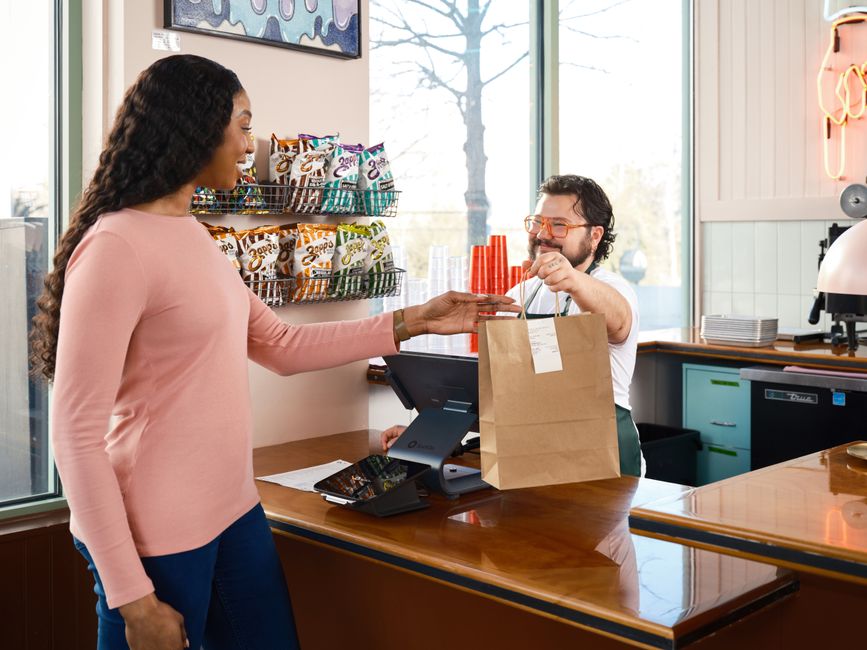
Hooking up with CRM systems lets retailers build really comprehensive customer profiles. Every purchase, interaction, and preference logged at the POS can go straight into the CRM. That allows for more targeted marketing, personalized service, and stronger loyalty programs. And this unified data view dramatically improves how you manage customer relationships.
Integrating with accounting software makes financial management and reporting way easier. Sales figures, returns, and payment data can automatically flow into accounting platforms. That cuts down on manual data entry, boosts accuracy, and streamlines reconciliation. So your financial records are always current and compliant, helping with business analysis and tax prep.
Loyalty programs get much more effective when they’re tied directly into your POS. Customers can earn and redeem points, apply discounts, and get special offers smoothly right at checkout. This direct integration makes the customer experience better, encourages repeat business, and gives you valuable data on how well your loyalty program actually works.
How does seamless integration benefit the modern retail environment?
Seamless integration is huge for modern retail. It creates one unified customer view across all channels. That gets rid of those choppy experiences and makes sure every touchpoint—from online browsing to an in-store purchase—feels connected and consistent. Customers expect a smooth experience, especially by 2026. And integration delivers just that.
Automated processes? They’re another huge advantage. When systems talk to each other without a hitch, routine tasks like inventory updates, sales reporting, and customer data syncs just happen automatically. That frees up your staff to focus on more important things—like great customer service and strategic planning—which really boosts overall productivity.
Omnichannel consistency is absolutely critical in retail today. Integrated systems make sure product info, pricing, promotions, and customer data are identical across all your sales channels: in-store, online, mobile, and social media. This consistency builds customer trust and lets them jump between channels without a hitch, making their whole shopping journey better.
What are the key considerations when selecting your next open-platform POS solution?
When you’re picking your next open-platform POS solution, a few key things really need to guide your decision. You want to make sure the system fits your current business needs and future goals. Make an informed choice now, and you’ll save yourself costly rework later, plus ensure long-term operational success.
Scalability needs? Those should be a top priority. Don’t just look at your current transaction volume and store count. Think about your projected growth over the next five to ten years, too. The system you pick has to handle those increased demands without bogging down or needing a complete overhaul.
Security features are non-negotiable, especially with all the sophisticated cyber threats out there. Make sure your POS offers strong encryption for sensitive data, secure payment processing (that means PCI compliance), and solid user authentication. Protecting customer data and financial info is absolutely critical for keeping trust and steering clear of legal trouble.
Vendor support and the community’s reputation? Those are crucial for day-to-day operations. Look into customer support quality, how easily you can get technical help, and how active the developer community around the platform is. A good support network is priceless for troubleshooting, rolling out new features, and keeping your system up and running.
The user interface and how easy it is to train staff directly affect productivity and how quickly your team adopts it. A POS system should feel intuitive. New employees should pick it up fast, cutting down on training time and checkout errors. And definitely test the interface with your staff before you commit. Make sure it actually meets their needs.

Frequently Asked Questions
What is the main difference between an open-platform and a closed-platform POS?
The main difference is flexibility: an open-platform POS allows integration with various third-party hardware and software. A closed system, though, ties you to one vendor’s proprietary setup, which really limits your customization and options.
Can open-platform POS hardware work with any retail business size?
Absolutely. Open-platform POS hardware scales incredibly well, so it works for all retail businesses, from small boutiques to huge enterprises. You can customize and expand it to fit your exact needs.
Is an open-platform POS more expensive to implement initially?
Not always. Initial costs can vary, sure, but open-platform systems often give you more competitive component pricing and a lower long-term TCO. That’s because you avoid vendor lock-in and can do upgrades in phases.
How does an open-platform POS help with omnichannel retailing?
It makes omnichannel retailing much easier! It integrates seamlessly with e-commerce, CRM, and inventory tools, making sure your data and customer experiences are consistent across all sales channels.
What kind of technical expertise is needed to manage an open-platform POS?
A basic technical grasp helps, but honestly, many open-platform solutions have super user-friendly interfaces and strong vendor support. So you don’t always need extensive IT expertise for daily tasks or routine integrations.
Will an open-platform POS protect my business from future technology changes?
No system can promise absolute future-proofing, but an open-platform POS drastically cuts down the risk of obsolescence. That’s thanks to its modular design and ability to bring in new hardware and software as technology keeps changing in the years ahead.