

Quick answer: To choose the best point of sale hardware for high-volume restaurants, look for systems known for toughness, speed, and easy integration. Think industrial-grade parts, strong processing power, and compatibility with key restaurant software like KDS and inventory. That’ll keep service smooth and your operation humming.
Key Takeaways
- Go for tough, spill-resistant hardware. It’s built for demanding restaurant kitchens and dining rooms.
- Make sure it processes transactions fast and connects reliably.
- Look for seamless integration with KDS, inventory, and online ordering systems.
- Pick scalable solutions. They’ll grow right along with your restaurant.
- Think about the total cost, not just the sticker price. That includes warranties and customer support.
- And don’t forget mobile POS devices. They really help with tableside ordering and payments.
Why is Choosing the Right Point of Sale Hardware Crucial for High-Volume Restaurants?
Choosing the right point of sale (POS) hardware isn’t just important for a busy restaurant. It’s foundational. High-volume places run under huge pressure: constant orders, fast transactions, endless customers. Get the hardware wrong, and you’ll hit bottlenecks, system crashes, and angry customers. And that directly cuts into your profits.
Good, efficient POS hardware keeps things running smoothly from the second an order comes in until the check’s paid. It’s the engine behind everything: managing waitlists, turning tables, tracking sales, and keeping tabs on inventory. So, yeah, investing in solid hardware? That’s really investing in your restaurant’s core operations and its future success.
What Essential Features Define the Best Point of Sale Hardware?
When you’re looking for the best point of sale hardware for a busy restaurant, a few key features really jump out. These aren’t just nice-to-haves; they make sure the system can handle the daily grind and actually help your operations run better. Think about toughness, speed, and how well it connects – those are your main priorities.
Durability is huge. Restaurants see spills, drops, and constant pounding, so your hardware absolutely has to last. And processing speed? That’s just as important. Slow terminals quickly mean long lines and annoyed staff and customers. Plus, you need easy integration with your current and future systems. That’s how you get a smooth, unified operation.
So, What Hardware Components Do You Really Need for a Restaurant POS System?
A complete restaurant POS system needs several core hardware components. Each one plays a vital role in keeping things running smoothly. Knowing what these components do helps you make smarter buying decisions. Every piece of hardware has to work together, perfectly, for a truly seamless workflow.
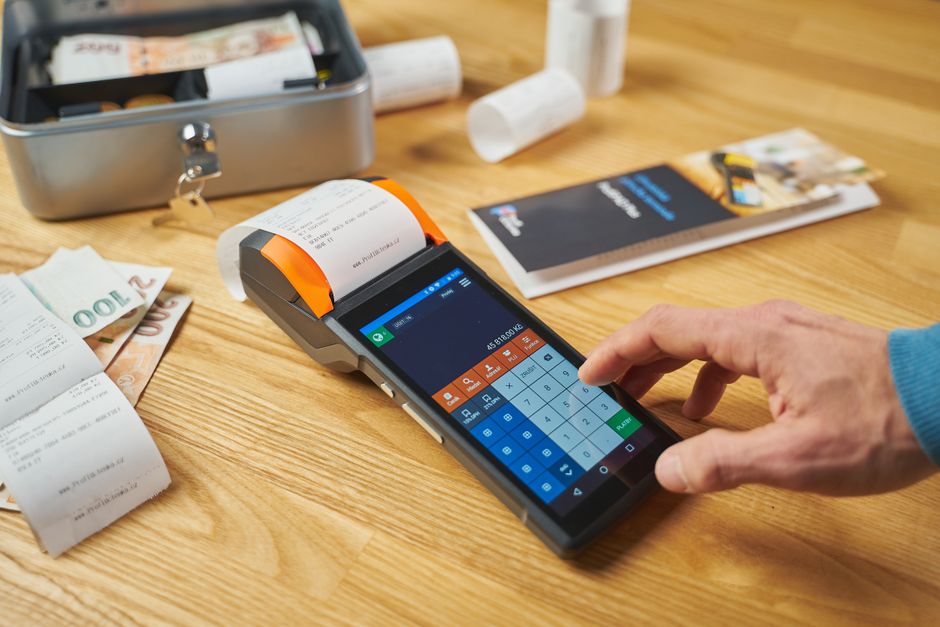
Touchscreen terminals — fixed or mobile — are how your staff mainly take orders and process payments. You’ll need receipt printers; they’re essential for verifying orders and keeping customer records, and usually, they need to be fast and dependable. And cash drawers? They still provide secure storage for cash transactions in many places.
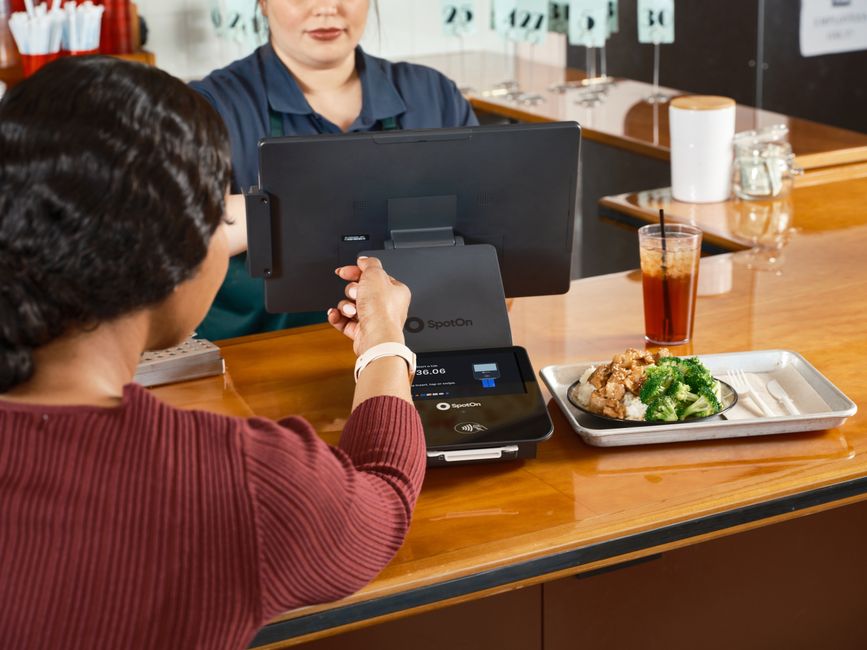
Modern payment terminals are a must. They handle all sorts of payment methods, from EMV chip cards to NFC contactless payments. Kitchen Display Systems (KDS) really streamline things in the kitchen; they show orders digitally, cutting down on errors and speeding up ticket times. And handheld order devices? They let your waitstaff take orders right at the table, boosting both speed and accuracy. In a busy place, that’s absolutely critical.

How Can You Ensure Durability and Reliability for Your Best Point of Sale Hardware?
Making sure your best point of sale hardware is tough and reliable takes a few different steps. You’ve got to look at how it’s built, its design, and what kind of support the manufacturer offers. Busy restaurants need hardware that can take constant use, accidental bumps, and plenty of spills. If you skimp here, you’re looking at constant breakdowns and expensive downtime.
Pick hardware made with industrial-grade parts. They often come with reinforced casings and sealed touchscreens. Fanless designs are a really good idea, too, because they stop grease, dust, and food particles from getting inside and wrecking things – that’s a common problem in kitchens and dining rooms. Always read the warranty carefully, and check out what kind of support plans are available. These things tell you how much confidence a manufacturer has in their product, and they give you crucial backup when something goes wrong. And don’t forget to check reviews and the manufacturer’s reputation; they’ll give you real insights into how the hardware performs long-term.

What are the Integration and Software Considerations for Restaurant POS Hardware?
POS hardware’s functionality is totally tied to the software it runs and how it connects with other systems. For busy restaurants, seamless integration isn’t just nice; it’s a must for peak performance and smooth data flow. A system that doesn’t talk to itself well means manual data entry, errors, and wasted time.
So, prioritize hardware that integrates perfectly with your chosen POS software. Make sure all the features and modules work together without a hitch. Open APIs (Application Programming Interfaces) are a big plus here. They let you build custom integrations with specific tools unique to your restaurant. And really good inventory management systems — the ones that automatically update stock levels after sales — are absolutely vital. They cut down on waste and stop you from running out of popular items.
But don’t stop there. Think about how the hardware connects with your customer relationship management (CRM) tools. That’ll boost guest experiences and loyalty programs. Plus, integration with third-party delivery platforms is getting more and more important; it streamlines online orders right into your kitchen. All these integrations build a unified system. It drives efficiency and helps you make better decisions.
What About Cost and Return on Investment for POS Hardware?
Understanding the money side of your POS hardware choice goes way beyond just the sticker price. For busy restaurants, you absolutely have to look at the total cost of ownership (TCO) and what kind of return on investment (ROI) you’ll get. That system that seems expensive upfront? It might actually give you much better long-term value than a cheaper, flimsier option.
The initial cost just covers the hardware. But TCO includes things like ongoing software subscriptions, maintenance contracts, potential repairs, and staff training. So, check out both leasing and buying options. Weigh that big upfront cost against your monthly operational expenses. A really solid POS system can seriously boost labor efficiency; it cuts down on order errors and speeds up service. And that directly translates into savings and more table turns. Plus, when your operations run smoothly, you’ll see higher order volume and more revenue. So, yeah, investing in quality hardware is a smart strategic move for profitability well into 2026 and beyond.
Frequently Asked Questions
How often should restaurant POS hardware be replaced?
Restaurant POS hardware usually lasts 5-7 years. But that can totally change depending on how hard you use it and how well it’s built. Really busy places might need to upgrade sooner, especially if things start slowing down or repairs get too expensive.
Can I use consumer-grade tablets for my restaurant POS?
Consumer-grade tablets might look cheap at first glance. But honestly, we don’t recommend them for busy restaurant POS use. They just don’t have the toughness, spill resistance, or industrial-grade parts required to stand up to a pro kitchen or dining room’s tough conditions.
What security features are important for POS hardware?
Key security features include payment data encryption, secure login protocols, and tamper-resistant designs. And don’t forget physical security. Bolting down terminals, for instance, really helps prevent theft. That ensures your operations stay safe from all sorts of threats.
Is wireless POS hardware reliable enough for high-volume use?
Yep, it can be! Modern wireless POS hardware, especially with strong Wi-Fi 6E or 5G, is super reliable for busy restaurants. Just make sure your network infrastructure is solid and well-kept. That’ll support seamless wireless communication without any hiccups.
How does a KDS improve restaurant efficiency?
A Kitchen Display System (KDS) really boosts efficiency. It shows orders digitally to your kitchen staff, so no more printed tickets and way fewer errors. This means faster prep times, better management of cook times, and much smoother communication between the front and back of the house. All of that leads to quicker table turns.